Los Angeles Anti–Housing Law Push Escalates as Metro Board Seeks SB 79 Exemption

Just because Senate Bill 79 was signed into law in October doesn’t mean the war over housing near transit in Los Angeles is over — it’s intensifying. Metro – L.A. County’s transportation agency – is now pushing to gut SB 79. City of Los Angeles Mayor Karen Bass, one of the law’s earliest and most vocal opponents, is among a large contingent of L.A. Metro’s Board of Directors formally now pushing the legislature and governor to exempt L.A. County from the law entirely. 11 of 13 Metro boardmembers approved Metro’s anti-SB 79 position.
SB 79 — authored by Sen. Scott Wiener (D–San Francisco) and signed by Gov. Gavin Newsom — is one of the most ambitious housing reforms in state history. It is designed to boost compact, transit-oriented development by:
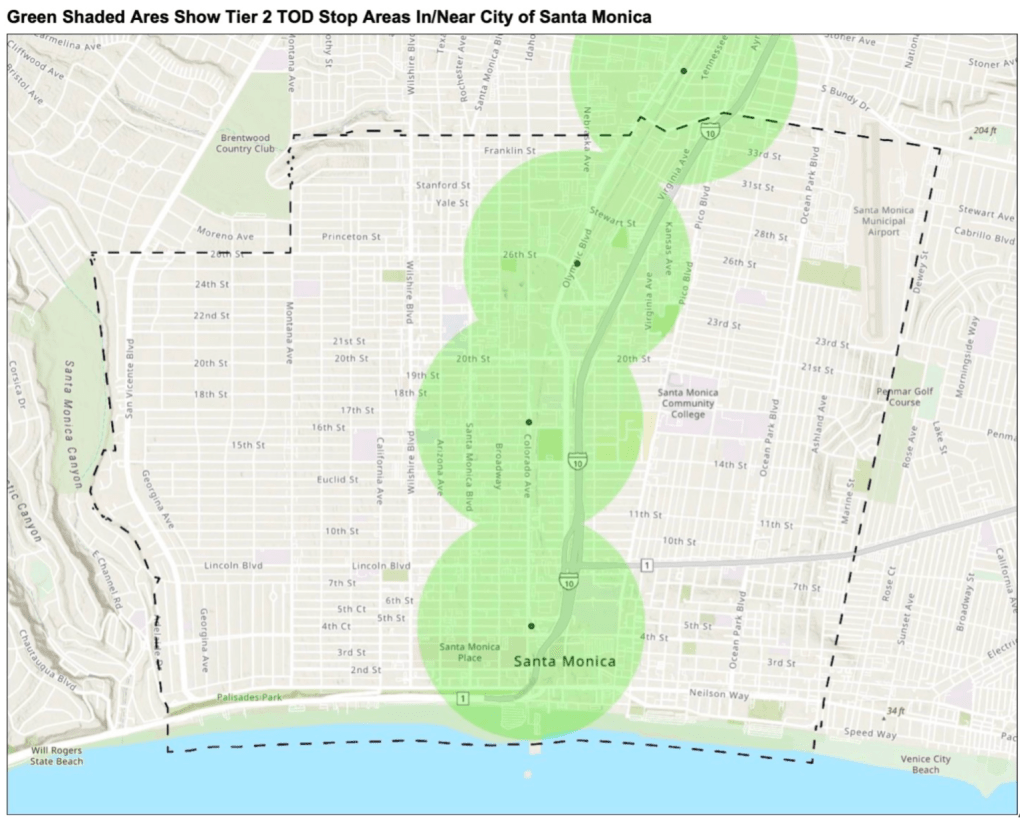
- Upzoning areas near transit: Allowing buildings up to seven stories high within a quarter-mile of major rail or bus rapid transit stations, and up to four stories within a half-mile.
- Empowering transit agencies: Permitting transit agencies to set zoning standards on property they own near qualifying transit hubs.
- Streamlining permitting: Fast-tracking approval for housing projects within a half-mile of major transit stops.
For housing advocates, SB 79 is a critical tool to add more homes near the places Californians already live and work. “SB 79 is a historic step toward tackling the root cause of California’s affordability crisis — our profound shortage of homes and too few people having access to transit,” said Wiener in a statement celebrating its signing.
Last week’s vote was not technically about last year’s SB 79, but about a piece of legislation, Senate Bill 677, that Wiener is pushing this year that has a number of minor technical fixes to last year’s law. Metro was asking for a amendments to be added to the legislation that would, amongst other things, entirely exempt Los Angeles County from the law. Wiener’s office has not supported this change.
In Sacramento, supporters argue that building housing near transit not only expands supply but also strengthens transit systems themselves by increasing ridership and decreasing car dependency, aligning with state climate goals.
But in Los Angeles, that logic has become a political flashpoint. Mayor Bass has been explicit in her opposition, writing to the governor and publicly urging a veto last fall. “While I support the intent to accelerate housing development statewide,” Bass wrote, “as written, Senate Bill 79 … risks significant unintended consequences for many of Los Angeles’ diverse communities.”
In a report, Metro staff warned that SB 79 linking housing mandates to transit expansions could “harm the transit agency’s expansion goals by galvanizing housing opponents against new light rail stations and dedicated bus lanes.” They argue the statute’s ambiguous definitions of qualifying transit stops and its sweeping requirements complicate coordination with local jurisdictions, potentially delaying projects and weakening the agency’s capacity to plan and build rail and bus corridors.
That argument has angered proponents of the law, who see Metro’s stance as deeply counterintuitive. Housing advocates note that densifying land around stations is one of the most proven ways to increase ridership and make transit financially sustainable. Nearly every Metro transit expansion project already had to overcome nimby transit/housing opponents – since long before the passage of SB 79.
For more of Streetsblog’s coverage of SB 79 from 2025:
Newsom Signs SB 79, October 10
SB 79 Passes Assembly, Still Needs Senate “Concurrence” Before the Governor’s Desk, September 11
Politics Heat Up Around SB79-Dems Support, Los Angeles Opposes, August 29
Wiener’s Legislation to Upzone Near Transit Clears the Senate (Barely), June 5
Wiener’s Controversial Legislation to Upzone Near Transit Keeps Moving with One Major Change, May 12
Wiener Introduces Legislation to Increase Housing Density Near Transit, March 17
Streetsblog has migrated to a new comment system. New commenters can register directly in the comments section of any article. Returning commenters: your previous comments and display name have been preserved, but you'll need to reclaim your account by clicking "Forgot your password?" on the sign-in form, entering your email, and following the verification link to set a new password — this is required because passwords could not be carried over during the migration. For questions, contact tips@streetsblog.org.