The Smog President Takes California to Court

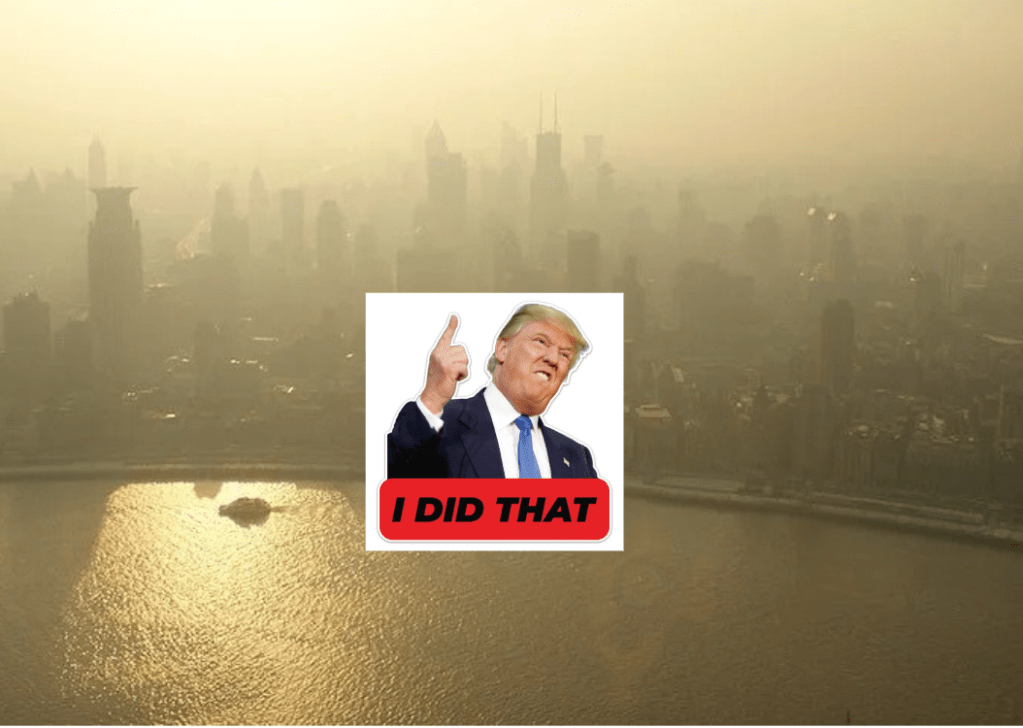
It sometimes feels like the easiest way to understand federal environmental policy these days is to start with a joke: if someone’s goal were to make the air dirtier and hasten global warming, they might start by doubling down on coal power and revoking funding for the nation’s largest rail project. And when a spike in gas prices is helping people consider alternatives to fossil-fuel powered cars, go after the places trying hardest to promote cleaner technologies.
Unfortunately, for anyone who doesn’t like smog and loves their (actual, future, or hypothetical) grandchildren, that is exactly what the Trump Administration is doing.
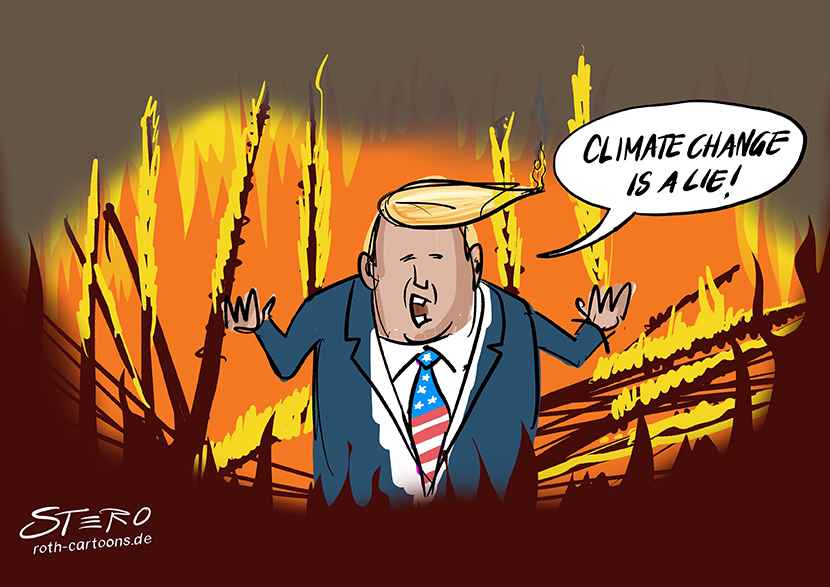
Trump Administration Sues California Over Vehicle Emissions Rules
Yesterday, the Trump administration filed a new lawsuit against California, arguing the state lacks the legal authority to enforce its nation-leading vehicle emissions standards and zero-emission vehicle requirements.
The suit, brought by the U.S. Departments of Justice and Transportation, targets regulations adopted by the California Air Resources Board that limit greenhouse-gas emissions from cars and require automakers to sell increasing numbers of zero-emission vehicles. Those rules are part of California’s “Advanced Clean Cars II” program, which aims to phase out the sale of new gasoline-powered vehicles by 2035.
Federal officials argue that California’s policies amount to an illegal attempt to regulate fuel economy, an area they say is reserved for the federal government under the Energy Policy and Conservation Act. The administration contends that allowing individual states to impose stricter rules effectively forces automakers to follow California’s standards nationwide.
“Federal law prohibits individual states from adopting regulations related to fuel economy,” federal officials said in announcing the lawsuit, framing California’s policies as a backdoor mandate for electric vehicles.
California officials strongly dispute that characterization. The state has long had unique authority under the federal Clean Air Act to set stricter emissions standards than the federal government if it receives a waiver from the U.S. Environmental Protection Agency. That authority dates back decades because of the extraordinary amount of smog in Southern California.
In the 1970s, the Los Angeles region experienced more than 200 smog days per year, but decades of cleaner vehicle standards and pollution controls have reduced that to roughly 80–100 days in recent years, though the area still has some of the worst air quality in the United States.
The state argues that its rules regulate pollution rather than fuel economy and that they are necessary to meet climate goals and improve air quality in regions such as the Los Angeles basin and the San Joaquin Valley.
Governor Gavin Newsom’s office dismissed the lawsuit as meritless and vowed to defend the standards in court. State leaders say the policies are also intended to keep California competitive in the rapidly growing clean-vehicle industry.

The Lawsuit Is Part of a Long Tradition of Trump Favoring Smog Over Californians
Last year, the Trump administration and congressional allies succeeded in overturning key California clean-vehicle policies the state was authorized to implement under the Clean Air Act. The move targeted multiple state programs, including the Advanced Clean Cars II rule requiring increasing sales of zero-emission vehicles and other regulations aimed at reducing pollution from trucks and buses.
Those congressional resolutions attempted to revoke the federal waivers that historically allowed California to set stronger standards than the federal government. California and a coalition of states who have opted to follow California’s standards instead of federal ones quickly filed suit, arguing that Congress overstepped its authority.
With Congress attempting to nullify California’s authority and the Justice Department now seeking to strike down the rules in court, the conflict is poised to continue for years—likely with the courts deciding whether the state that pioneered modern vehicle pollution rules can continue to lead on clean air.
Streetsblog has migrated to a new comment system. New commenters can register directly in the comments section of any article. Returning commenters: your previous comments and display name have been preserved, but you'll need to reclaim your account by clicking "Forgot your password?" on the sign-in form, entering your email, and following the verification link to set a new password — this is required because passwords could not be carried over during the migration. For questions, contact tips@streetsblog.org.