Newsom Signs SB 79, Legislation to Spur Housing Production Near Transit


Governor Gavin Newsom has signed Senate Bill 79, the Abundant & Affordable Homes Near Transit Act, a major land-use reform aimed at promoting housing construction near rail and bus corridors.
“For too long, California has poured billions into transit without building the housing density needed for those systems to reach their potential,” Newsom wrote in his signing message. “SB 79 changes that.”
Authored by Senator Scott Wiener (D–San Francisco), the new law seeks to tackle the state’s chronic housing shortage by encouraging compact, transit-oriented development. The measure will:
- Upzone areas near transit: Allow buildings up to seven stories high within a quarter-mile of major rail or bus rapid transit stations, and up to four stories within a half-mile.
- Empower transit agencies: Permit agencies to set their own zoning standards for properties they own near rail and bus rapid transit stations.
- Streamline permitting: Expedite approval for housing projects located within a half-mile of major transit stops.
Wiener said the bill marks a turning point in how the state approaches land use and transportation planning in his own statement:
“In California, we talk a lot about where we don’t want to build homes, but rarely about where we do — until now,” Wiener said. “SB 79 unwinds decades of overly restrictive land-use policies that have driven housing costs to astronomical levels, forcing millions of people to move far away from jobs and transit, face massive commutes, or leave California entirely.”
The legislation reflects a broader push by state leaders to tie housing policy more closely to California’s climate and transportation goals. Advocates for denser development argue that building homes near public transit can reduce car dependency, lower emissions, and make transit investments more effective.
Still, local resistance remained strong. Outside of a few small cities on Los Angeles’ Westside, nearly every municipality that weighed in on the bill — including Los Angeles itself — opposed it. Critics said SB 79 undermines local control and could lead to inappropriate density in neighborhoods without adequate infrastructure.
Supporters counter that such concerns have been used for decades to block housing construction, worsening affordability and displacement pressures across the state.
For more of Streetsblog’s coverage of SB 79:
SB 79 Passes Assembly, Still Needs Senate “Concurrence” Before the Governor’s Desk, September 11
Politics Heat Up Around SB79-Dems Support, Los Angeles Opposes, August 29
Wiener’s Legislation to Upzone Near Transit Clears the Senate (Barely), June 5
Wiener’s Controversial Legislation to Upzone Near Transit Keeps Moving with One Major Change, May 12
Wiener Introduces Legislation to Increase Housing Density Near Transit, March 17
Streetsblog has migrated to a new comment system. New commenters can register directly in the comments section of any article. Returning commenters: your previous comments and display name have been preserved, but you'll need to reclaim your account by clicking "Forgot your password?" on the sign-in form, entering your email, and following the verification link to set a new password — this is required because passwords could not be carried over during the migration. For questions, contact tips@streetsblog.org.
More from Streetsblog California

California Needs More Ways to Fund Transit, Not Fewer. Streetsblog Urges You to Vote No on 43


Op-Ed: Latest Arguello Tragedy Demands Action by Mayor, Other City Leaders
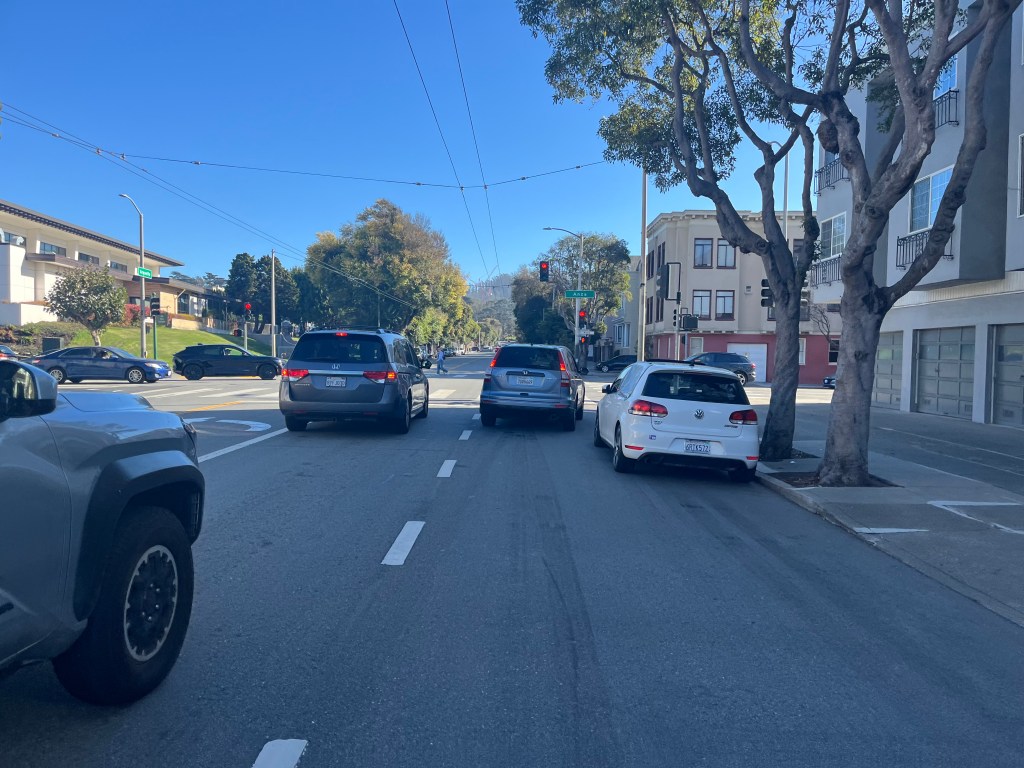
After More Than a Decade, Inland Rail Trail Finally Reaches Central Vista
After more than a decade of planning and delays, a new 1.1-mile segment brings the Inland Rail Trail into central Vista, creating more than 12 continuous miles of traffic-separated trail from Escondido.
The post After More Than a Decade, Inland Rail Trail Finally Reaches Central Vista appeared first on Streetsblog San Diego.