Opinion: Gov. Newsom’s Gas Rebate Won’t Fix Anything
As the California Bicycle Summit 2022 kicks off for the first time in-person since 2019 in Oakland this week, one of the big topics of discussion is likely to be Governor Newsom’s $11-billion gas rebate proposal, which would give car owners $400 each for up to two registered vehicles.
Car-free Californians would not qualify for a rebate. But transit would be free for three months! And Newsom included his previous proposal for $500 million–a small percentage of that $11 billion–to go to active transportation.
Governor Newsom’s proposal dismays those of us working to increase biking, walking, and transit and create healthy, affordable, livable communities.
Right now, the war in Europe reminds us of the geopolitical impacts of our dependence on oil. And in its frighteningly bleak report in February, the Intergovernmental Panel on Climate Change (IPCC) warned that the rate of climate change is outpacing our ability to adapt. Meanwhile in California—as in the U.S. and globally—car use is on the rise and projected to continue to increase.
Governor Newsom’s proposal does little to reduce our dependence on gasoline or encourage alternative forms of transportation. Critics have pointed out that it is a blatantly political move, and evidence that Democrats are fumbling on climate change.
The proposal is also terribly regressive, giving more money to higher-income families, who are more likely to own cars. All Californians are affected by increased fuel costs—by way of more expensive groceries, for instance. The governor should be rewarding those who walk, bike, and use transit—many of whom are the poorest Californians—rather than encouraging driving by rewarding car ownership, or giving a rebate to wealthy Californians who don’t need it.
Nearly half of California’s carbon emissions come from the transportation sector, with about eighty percent of that coming from individual cars and light-duty trucks—that is, personal transportation. While many people believe that a switch to EVs will fix this problem, the math is frightening and the evidence is clear that we need to do much more than just trade our gas guzzlers for battery-powered cars.
The governor could have proposed changes to meet the state’s climate and health goals, by encouraging healthy, lower-carbon forms of transportation, and offering a tax rebate to low-income Californians who need relief from inflation.
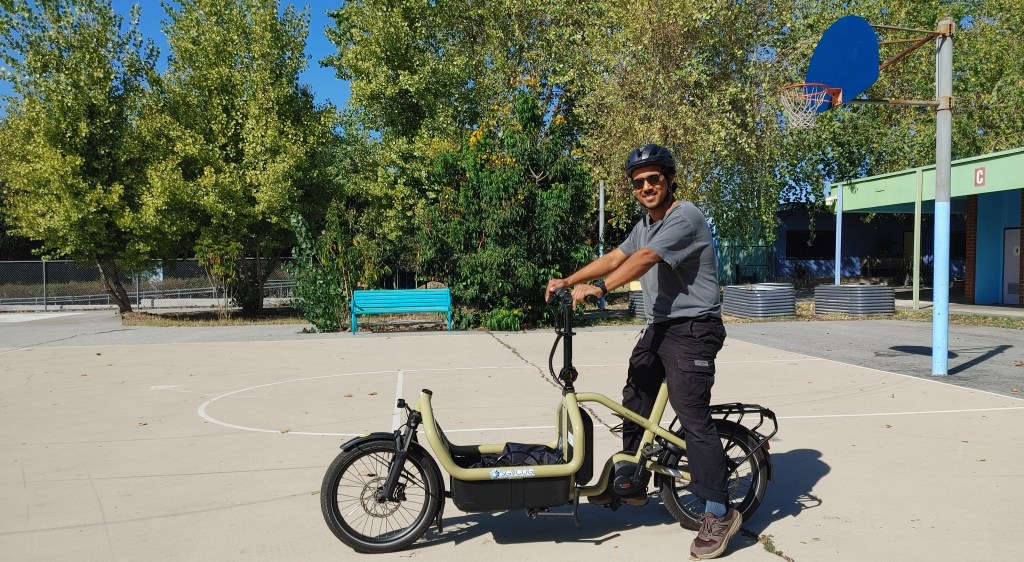
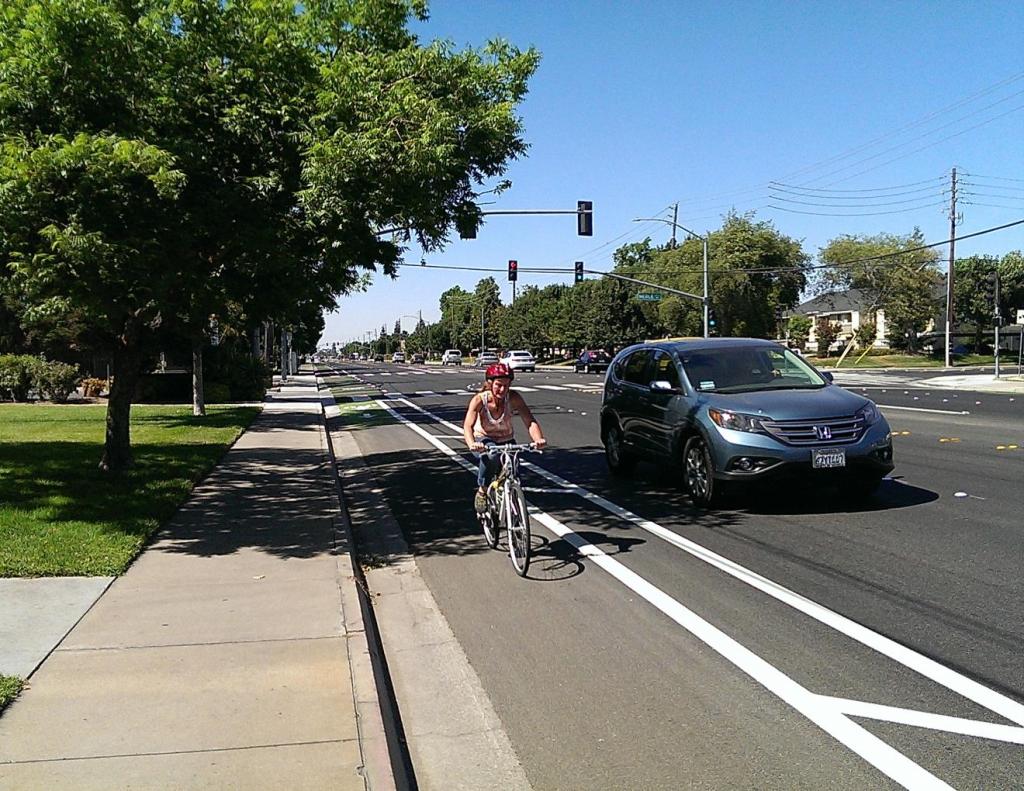
In California, we have a great climate for biking and walking. During the pandemic, more people than ever began bicycling for transportation, exercise, and fun. Even before that, nearly fifteen percent of car trips in California were under one mile long, with sixty percent under seven miles; in the Bay Area these rates are even higher. These distances are well within bicycle range, and even easier on an e-bike.
These facts present a tremendous opportunity, if we made some simple, inexpensive investments in safer bicycle infrastructure. Polling has repeatedly shown that a majority of city dwellers would like to bicycle more, but are concerned about safety. An investment of $2 billion in safer active transportation, with a focus on creating safe connections, would be a game changer and would have a lasting impact on climate emissions. And individual Californians would save far more than $400 each by leaving their cars at home for most local trips.
High gas prices should not be seen as just a political crisis. They are also an opportunity to reduce climate pollution, end fossil fuel wars, reduce traffic congestion, and increase public health through active transportation.
We just need to get beyond what active transportation activists call “car brain.” If any state has the potential to get out of our cars and embrace the climate crisis, it should be California.
Jenn Guitart is Director of Advancement at the California Bicycle Coalition. Jason Henderson is a professor in the department of Geography & Environment at San Francisco State University and author of “Street Fight: The Politics of Mobility in San Francisco.”
Streetsblog has migrated to a new comment system. New commenters can register directly in the comments section of any article. Returning commenters: your previous comments and display name have been preserved, but you'll need to reclaim your account by clicking "Forgot your password?" on the sign-in form, entering your email, and following the verification link to set a new password — this is required because passwords could not be carried over during the migration. For questions, contact tips@streetsblog.org.