Legislative Update: What Bills that Streetsblog Is Tracking Are Signed by the Governor?

When the legislative session ended at midnight on September 1, the clock started ticking for Gavin Newsom. The Governor has until the end of the month to sign legislation into law or veto it. If he takes no action, the legislation becomes law. September is halfway over, and Newsom has taken action on at least two pieces of legislation. Streetsblog will update this article and use social media to announce any new signings or vetoes for the next two weeks.
This update is divided into three sections: “signed into law,” “vetoed,” and “awaiting action.” For a list of legislation defeated this session, visit the last Legislative update.
Signed by Governor:
Assembly Bill 1546, Driving under the influence, would increase penalties for repeat DUI offenders to bring California law more in line with other states.
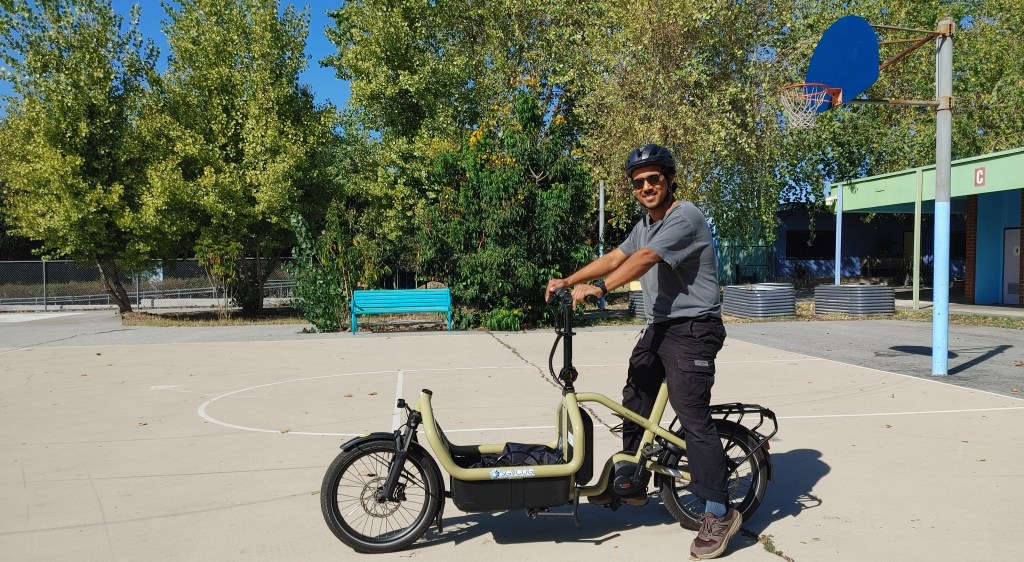
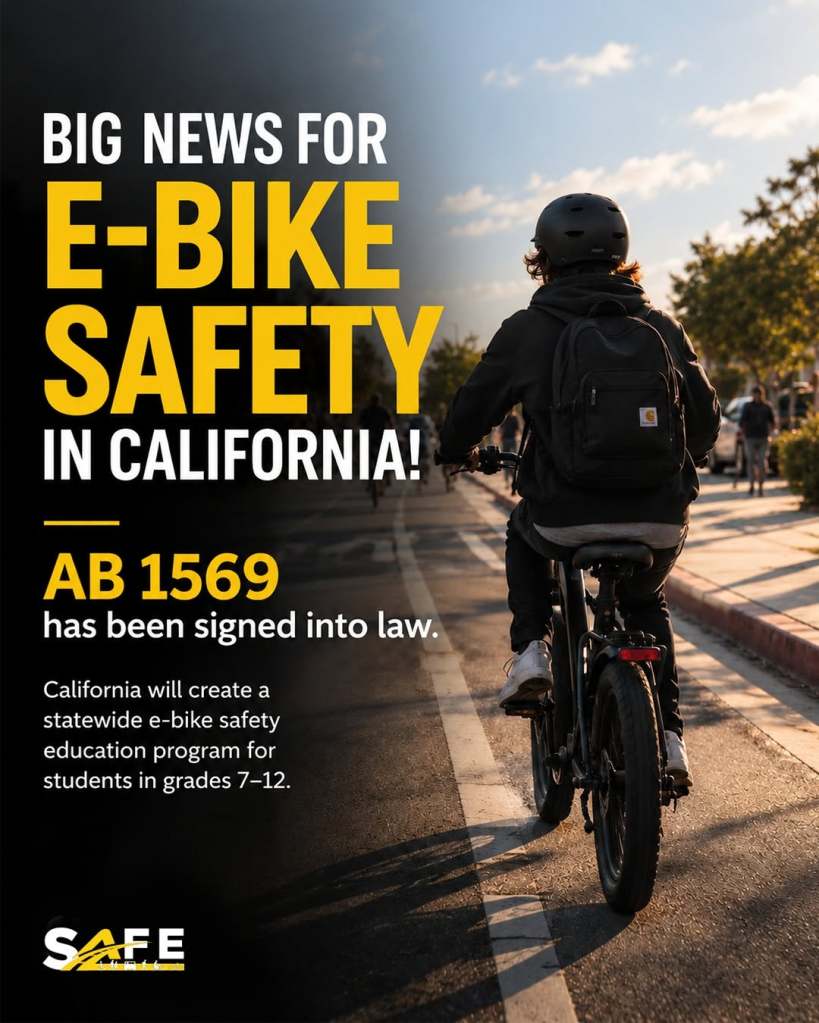
Assembly Bill 1569, Electric Bicycle: Safety and Training Program: requires the California Department of Education, in consultation with the CHP, to develop a standardized e-bike safety and training program for students in grades 7 through 12 – by March 2028.
Assembly Bill 1599: Public transit: California Transit Stop Registry: transit datasets, creates a statewide unique identifier for every transit stop. Streetsblog discussed this legislation in episode 14.1 of StreetSmart and it was co-sponsored by Move California.
Assembly Bill 1976, Streets and highways: pedestrian and bicycle facilities, is a wide-ranging California Assembly bill aimed at streamlining the planning, construction, and protection of pedestrian and bicycle infrastructure across the state.
Streetsblog wrote about this legislation as it was moving in the Assembly.
Assembly Bill 2015, Navigation programs: slow streets, would help cities “keep slow streets slow” by stopping navigation apps from routing cut-through traffic onto neighborhood streets designed for local access, walking, and biking.
Assembly Bill 2168, Active Transportation Program guidelines, includes transit-rich and infill opportunity areas as a program priority, prioritizes the leveraging of more state transportation funding to the ATP, and mandates the implementation of penalties for applicants who do not use previously allocated grant funds promptly.
Senate Bill 114, Budget Acts of 2022, 2023, 2024, and 2025, this legislation does a lot of things, including preventing the City of Encinitas from removing a protected bikeway from Santa Fe Drive.
Senate Bill 194, Forest Lawn Drive, this legislation uses a lot of fancy wording to effectively kill a planned safety improvement project slated for Forest Lawn Drive in Los Angeles.
Vetoed:
The governor has not vetoed any legislation SBCAL has been monitoring.
Awaiting Action
Assembly Bill 1740, Coastal resources: coastal development permits: urban multimodal communities: bicycle facilities, has been heavily amended since it was first introduced to now provide a specific timeline for Santa Monica to receive certification of its Coastal Plan from the Coastal Commission. Streetsblog covered this legislation when it was introduced and after it was amended.
This legislation passed both houses…but that wasn’t the end of the excitement. As noted above, a trailer bill was introduced that many saw as an offshoot of this legislation – then it was withdrawn.
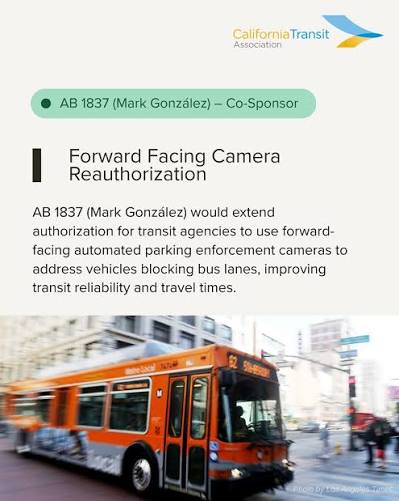
Assembly Bill 1837, Video imaging of parking violations, would make transit lane and bus stop camera enforcement permanent statewide.
Senate Bill 677, Housing development: transit-oriented development, aims to strengthen California’s transit-oriented housing laws by closing loopholes used by cities to evade development requirements. The bill expands definitions to include high-frequency ferry service and reinforces mandates for building housing near major transit stops.
This legislation is related to Senate Bill 79 that was extensively covered last year. Streetsblog covered SB 677 in an article about Los Angeles Metro’s attempts to avoid enforcing SB 79.
Senate Bill 1167, Vehicles: Electric Bicycles, seeks to define the differences between e-bikes and e-motorcycles (e-motos). Streetsblog discussed this legislation in episode 14.1 of StreetSmart and when it passed the full Senate.
Senate Bill 1423, Transportation funding: State Transportation Improvement Program: Active Transportation Program would steer half of STIP funds toward projects that make streets safer for people walking, biking, and taking transit, while also making the state’s top safe streets grant program easier for cities to access.
Streetsblog has migrated to a new comment system. New commenters can register directly in the comments section of any article. Returning commenters: your previous comments and display name have been preserved, but you'll need to reclaim your account by clicking "Forgot your password?" on the sign-in form, entering your email, and following the verification link to set a new password — this is required because passwords could not be carried over during the migration. For questions, contact tips@streetsblog.org.