CalBike Notches Three Wins in the Legislature Before Recess

Andrew Wright is the communications director for CalBike. CalBike is a statewide advocacy group working in Sacramento on behalf of the common bicycle rider. Learn more at CalBike.org
This week in Sacramento, before the summer recess, CalBike notched three wins and moved the needle for better bicycling in California. Advocacy is incremental, most of the time painfully slow. But some weeks, like this one, the chain catches and the climb feels a little less steep.
SB 1167, the e-bike consumer protection bill authored by Senator Catherine Blakespear and cosponsored by CalBike, PeopleForBikes, Streets For All, and Streets Are For Everyone, passed Assembly Transportation on a 15 to 0 vote. The bill draws a clear line between legal e-bikes and the high-powered electric devices too often marketed as e-bikes.
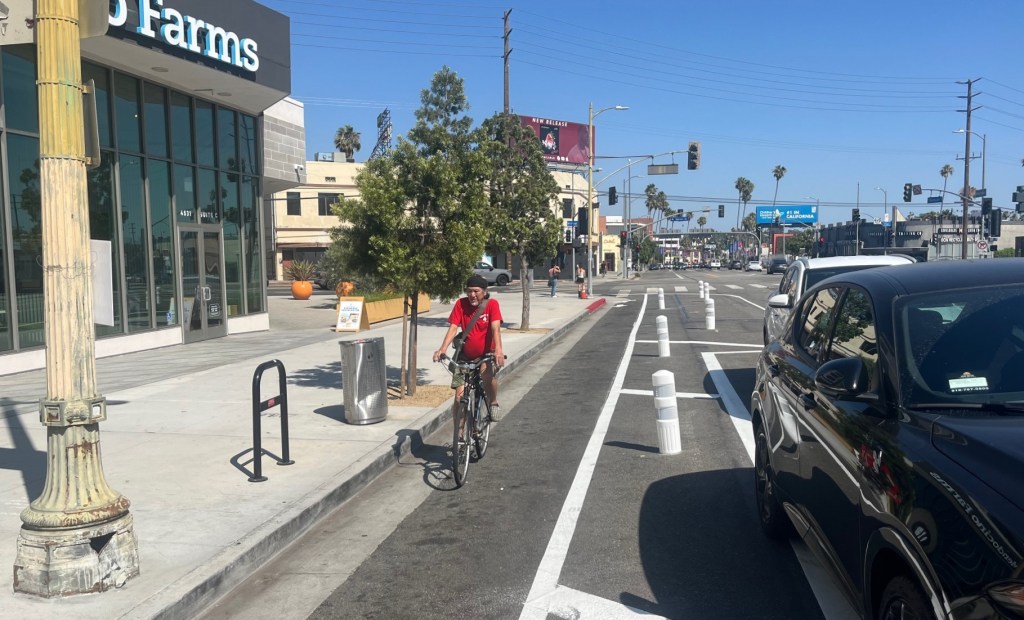
SB 569, CalBike’s sponsored bill to better preserve bikeways once they are built passed the Assembly Transportation Committee on a 13 to 2 vote. Under this bill, state-funded bikeways would be required to stay in place for 20 years, and after that period, they could only be removed or replaced through a public process.
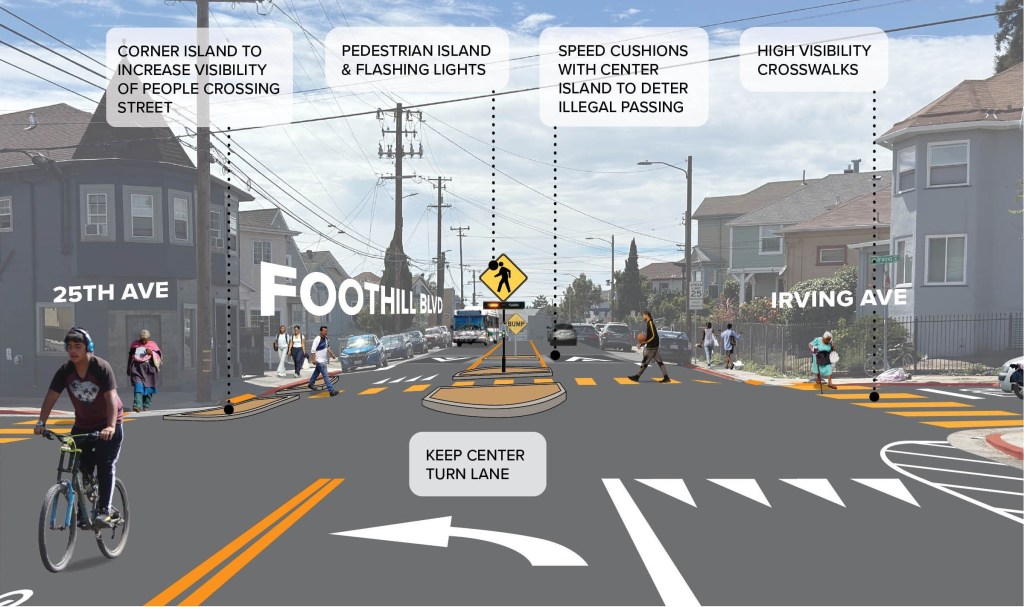
AB 2168, CalBike’s sponsored bill to strengthen the Active Transportation Program, passed the Senate Transportation Committee on an 8 to 4 vote. The bill would help California’s only dedicated active transportation funding program deliver more connected projects, stronger routes to transit, and better accountability when projects stall.
When CalBike previewed our 2026 agenda back in December 2025, we described a year built around a few plain needs: better funding for bike and pedestrian infrastructure, clearer rules for e-bikes and micromobility, stronger answers to traffic violence, and a statewide movement organized enough to turn those priorities into law. This week’s votes are an early test of that agenda and a sign that it is finding purchase.
The three bills are different in their mechanics, but they share a common thesis. Safe streets should be funded with seriousness, protected once communities have fought to build them, and governed by rules that make clean transportation easier to use, easier to understand, and harder to undermine. That is not a radical demand — it is a deeply practical one that appeals to people of all political stripes. We, alongside a growing coalition, believe that public investment should lead to real connections.
For years, bike advocates have been treated as though asking for safe routes to school, transit, work, and the grocery store was some kind of fringe demand. But the votes this week tell a different story. These bills advanced with strong support from lawmakers representing Californians of all kinds, including plenty of people who may never describe themselves as “bike people.” The point of this work is not to force every Californian onto a bicycle. It is to give more Californians more safe, affordable, climate-friendly ways to get where they need to go.
In a state as large and complicated as California, progress rarely arrives as one sweeping transformation. More often, it comes through a set of smaller corrections that begin to point in the same direction. This week, those corrections pointed toward a more coherent transportation future: safer routes, durable investments, and more choices for people trying to get around without a car.

Streetsblog has migrated to a new comment system. New commenters can register directly in the comments section of any article. Returning commenters: your previous comments and display name have been preserved, but you'll need to reclaim your account by clicking "Forgot your password?" on the sign-in form, entering your email, and following the verification link to set a new password — this is required because passwords could not be carried over during the migration. For questions, contact tips@streetsblog.org.