‘Freeway Exit’ Podcast Tells San Diego’s Freeway Histories of Growth, Displacement, and Division

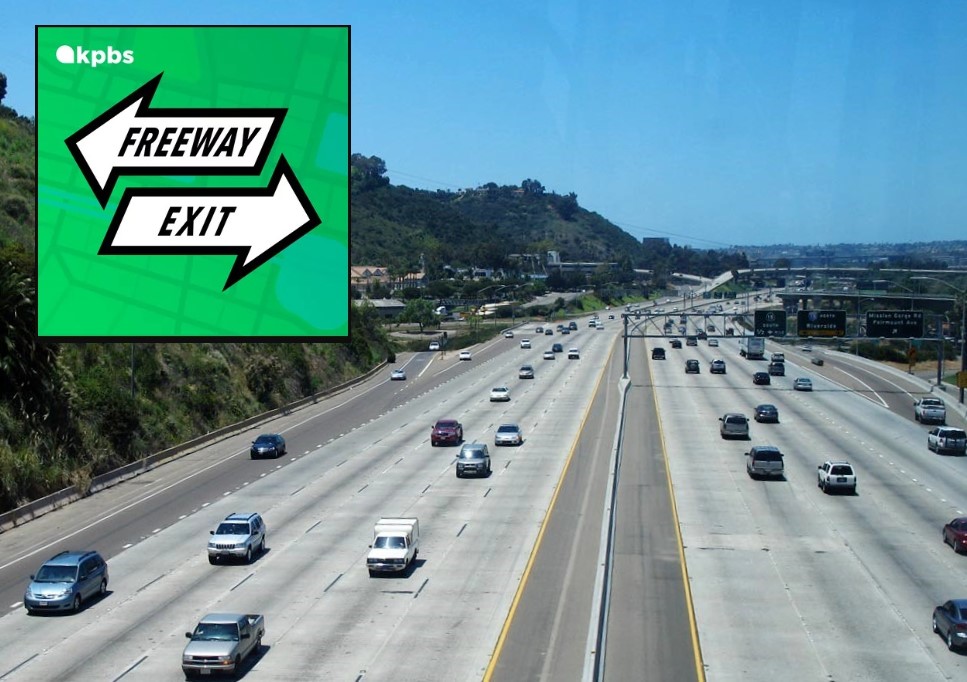
KPBS Radio’s new six-episode podcast series Freeway Exit is a great deep dive on the past, present, and future of San Diego’s freeways. The series explores how the federal government heavily funded freeways through San Diego’s low-income communities, how old boys networks built freeways, how communities fought back, and how leaders are now calling to decommission harmful projects.
Below is KPBS Radio’s blurb describing Freeway Exit, which is available at the NPR website and all the places where podcasts live.
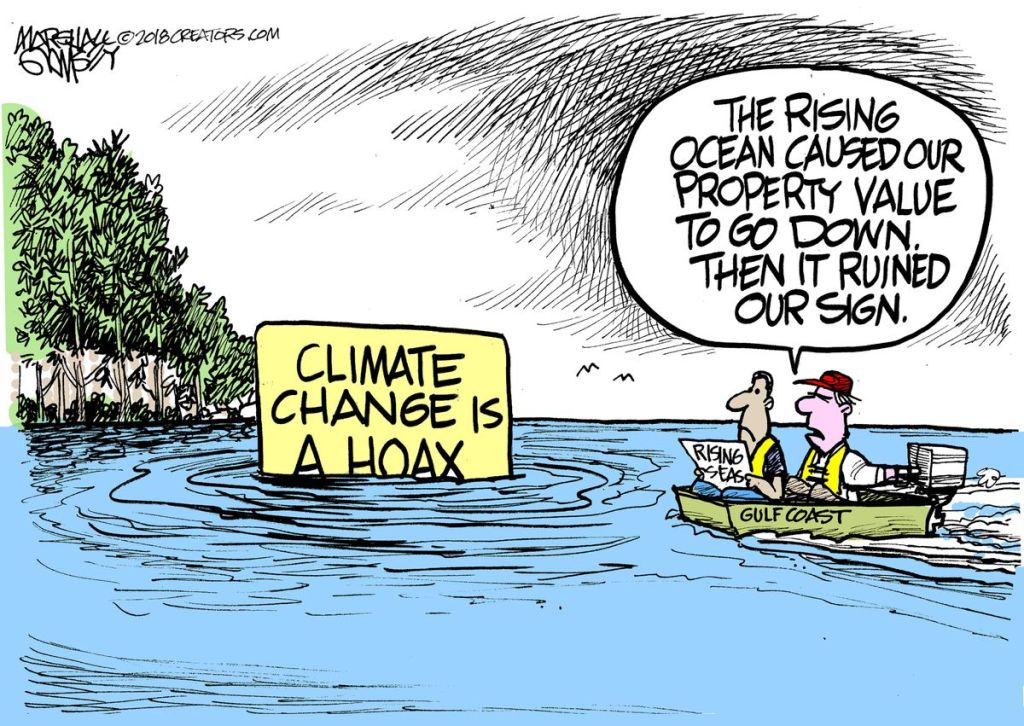
Freeways are not free. We pay for them in all kinds of ways — with our tax dollars, our time, our environment and our health. While freeways have enabled huge amounts of economic growth, they’ve also caused displacement and division. Learn the forgotten history of our urban freeway network, and how decades after that network was finished, some communities are still working to heal the wounds that freeways left behind. As climate change threatens to wreak havoc on our cities, freeways are not just a part of the problem. They can also be part of the solution.
KPBS
H/t to The War on Cars podcast for showcasing Freeway Exit.
Streetsblog has migrated to a new comment system. New commenters can register directly in the comments section of any article. Returning commenters: your previous comments and display name have been preserved, but you'll need to reclaim your account by clicking "Forgot your password?" on the sign-in form, entering your email, and following the verification link to set a new password — this is required because passwords could not be carried over during the migration. For questions, contact tips@streetsblog.org.