Transit Was a Big Winner at this Year’s Polls

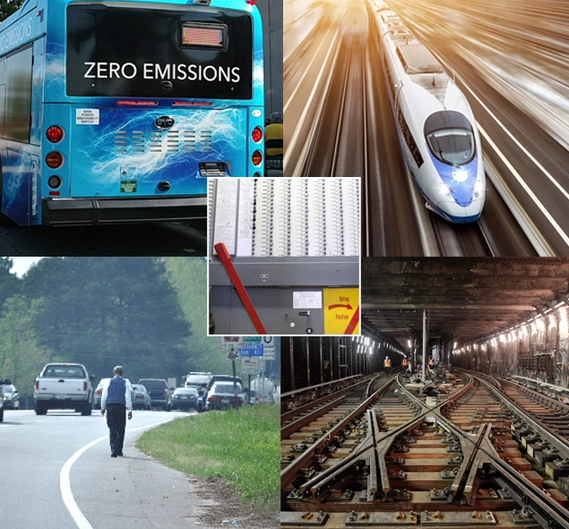
Voters across the country continued to recognize the importance of keeping public buses and trains moving — and financed — even as most progressive and pro-transit candidates didn’t fare as well at the ballot box this November.
This year, 11 out of 11 ballot measures funding mass transit have been passed, making 2021 the first year ever voters approved every transit funding act before them, according to a report by the Center for Transportation Excellence.
“Even as times and circumstances change, what remains consistent is the voting public’s understanding that public transportation is critical to the future of their communities and part of a forward-looking vision,” said APTA President and CEO Paul Skoutelas. “The 100-percent approval rate for year-to-date ballot measures certainly underscores that, even in uncertain times, communities of all sizes see public transportation and its numerous benefits as vital to the social and economic recovery of our nation.”
Last spring, five communities passed ballot measures supporting public transportation and pedestrian access, including Durango, Colorado (a walkway in Downtown Denver); Flint, Michigan (transit funding via property tax); Grand Haven Township, Michigan (funds for the Harbor Transit Multi-Modal Transportation system); Holland, Michigan (funds for the MAX transit system); and Alger County, Michigan (funds for its ALTRAN transit system).
But on the most recent Election Day earlier this month, voters across the country netted more than $100 million for public transportation systems. They include:
- A measure in Lucas County, Ohio that extends service provided by Toledo Area Regional Transit Authority bus service into all of Lucas County. It also rescinds the local property tax funding of the system in favor of a 0.5-percent sales tax — a move the authority says will create a more reliable influx of cash. Presently, the system services the Toledo metropolitan area, including Toledo, Ottawa Hills, Maumee, Rossford, Waterville, Sylvania, and Sylvania Township.
- A $100-million transportation bond measure in Maine that authorizes the state government there to borrow $85 million for roads, highways and bridges, with an additional $15 million earmarked for airports, passenger and freight rail, ferries and harbors. The taxpayer-backed bonds will be matched with an additional $253 million from the federal government or local partners, according to state officials. “This work plan includes paving work, bridge replacements, culvert improvements, road striping, new pedestrian and bicycle facilities, and investments in our ferry service,” Bruce Van Note, Maine’s transportation commissioner, wrote in an op-ed to the Dan MacLeod-edited Bangor Daily News.
- The renewal of Kalamazoo County, Michigan property tax to fund paratransit services for the next four years. The Kalamazoo County Transportation Authority provides on-demand public transportation van services to all of Kalamazoo County through its Metro Connect Program. The property tax equates to about $32 a year from every home valued at $200,000.
- A $515-million transportation bond measure in Gilbert, Arizona that includes $49 million multimodal investments, such as signals for trail crossings at roads with heavy traffic, which Public Works Director Jessica Marlow said improves safety and encourages more bike and pedestrian use of the trails.
- A $38.7-million bond measure in Arlington, Virginia will fund a variety of transportation, road, pedestrian enhancement, and transit projects across the County, including $20.7 million to fund a portion of Arlington County’s share of WMATA Metro’s capital improvement program.
An 11th ballot measure in Baton Rouge, Louisiana, which was voted on over the weekend after a Hurricane Ida delay, also passed. That ballot proposal called for taxpayers to continue financing the Capital Area Transit System for the next 10 years through a property tax estimated to cost homeowners $106 per year for every $100,000 their home is worth.
There was no organized opposition to the tax, according to the Advocate, a local news website in the Red Stick, and the measure passed with 59 percent of the vote.
“Today signifies a day of progress for our community,” CATS CEO Bill Deville said in a statement. “With the passage and renewal of CATS’ 10-year millage comes opportunity to enhance our transit infrastructure and expand service offerings to better serve the transportation needs of our community.”
Deville promised “major” investments in the system, including the creation of a bus rapid transit route and the modernization of the system’s bus fleet.
Streetsblog has migrated to a new comment system. New commenters can register directly in the comments section of any article. Returning commenters: your previous comments and display name have been preserved, but you'll need to reclaim your account by clicking "Forgot your password?" on the sign-in form, entering your email, and following the verification link to set a new password — this is required because passwords could not be carried over during the migration. For questions, contact tips@streetsblog.org.