New Legislation, Backed by Bike Safety Groups, Proposed to Regulate E-Motos/E-Bikes

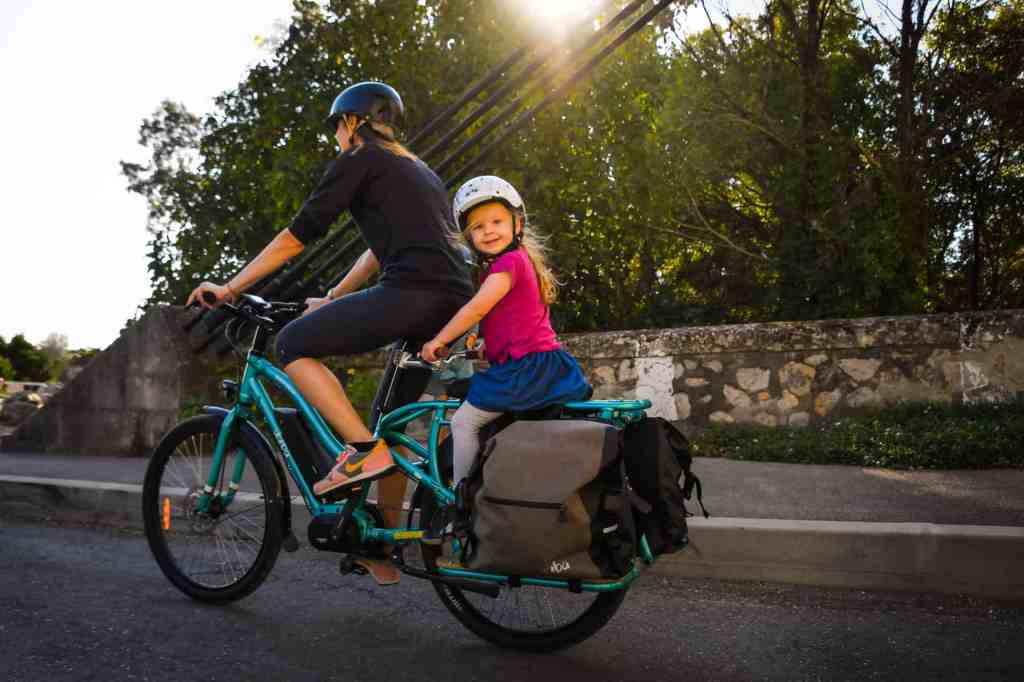
Senator Catherine Blakespear (D-SD) has introduced Senate Bill 1167, legislation aimed at tightening California’s oversight of electric mopeds and other higher-speed electrically powered two-wheelers that fall into gray areas of existing law. The bill seeks to create a clearer regulatory framework for vehicles marketed as e-bikes but capable of speeds and performance more akin to mopeds or lightweight motorcycles.
Under SB 1167, certain electric mopeds and “e-motos” would face more explicit requirements around equipment, rider licensing and age restrictions, helping law enforcement distinguish them from low-speed electric bicycles. Supporters argue that gaps in state law have allowed powerful motorized cycles to proliferate, sometimes operated by underaged or unlicensed riders, and used in ways that create safety risks on streets, sidewalks, and multi-use paths.
“Faster and more powerful electric motorcycles are being marketed as e-bikes, which is dangerous to children and adults,” Blakespear said. “SB 1167 makes clear to consumers whether they are buying an e-bike, which has defined limits for power and speed, or something else.”
A more specific list of what SB 1167 does can be found at the bottom of this article.
Backers say the goal is not to burden traditional Class 1, 2, or 3 e-bikes, but to ensure that higher-powered devices are regulated more like the motor vehicles they resemble.
SB 1167 is co-sponsored by the California Bicycle Coalition, Streets for All, Streets are for Everyone, and People for Bikes.
“CalBike is thrilled to support this commonsense legislation which preserves access to legal e-bikes while providing a path toward legal use for faster devices which exist in a dangerous gray area,” said Kendra Ramsey, Executive Director of CalBike.
How SB 1167 Compares to That Other E-Bike Proposal
SB 1167 takes a more targeted approach than Assembly Bill 1942, another recent e-bike legislation that has drawn criticism from bike safety advocates.
Last week, Streetsblog California covered the older legislation that would impose broader requirements, including mandatory license plates or registration for certain classes of e-bikes. Critics argue those proposals risk sweeping in standard e-bikes widely used for commuting and family transportation in addition to catching the e-motos that are involved in the most dangerous crashes.
Advocates contend that California already has laws governing unsafe riding, reckless operation and vehicle tampering — and that the state should focus on enforcing those rather than layering on new registration systems that could deter riders and add costs. They have warned that mandatory plates could stigmatize e-bike riders and undermine climate and mobility goals.
By contrast, SB 1167 is framed by supporters as an effort to separate high-speed electric mopeds from pedal-assist bicycles, rather than regulate the entire e-bike category. Whether that distinction satisfies skeptical bike advocates — or sparks similar concerns about overreach — will likely shape the bill’s reception as it moves through the Legislature.
“By creating a much needed and robust regulatory structure for electric mopeds and other electrically-powered cycles, this legislation will close important gaps in California law that have allowed these fast motorized vehicles to proliferate and be inappropriately used by underaged and unlicensed operators,” writes Matt Moore, General and Policy Counsel with People for Bikes. “By focusing on E-motos and the safety concerns they have created, the bill will also help protect low-speed electric bicycles as an affordable and safe transportation alternative for Californians.”
What SB 1167 Does and Doesn’t Do
SB 1167 would revise California’s vehicle code to tighten legal definitions and regulatory controls around electric bicycles and related electric vehicles — especially higher-powered devices sometimes marketed as e-bikes but not fitting the existing legal criteria.
🔹 Clarifies what counts as an “electric bicycle.”
- Reinforces that an electric bicycle must have fully operable pedals and an electric motor no more than 750 watts, consistent with current law.
- Devices that exceed these limits — even if marketed as e-bikes — would not be legally considered electric bicycles.
🔹 Expands restrictions on mislabeled vehicles.
- It would be illegal to advertise, sell, offer for sale, or label non-electric bicycles (like motor-driven cycles or mopeds, including high-power electric versions) as “electric bicycles.”
- Violations could be treated as false advertising under California’s Business and Professions Code, creating a new enforcement tool against deceptive marketing.
🔹 Revises and clarifies definitions.
- Motor-driven cycle: now includes motorcycles propelled by electric motors up to a specified power threshold (less than 3,750 W / 5 brake horsepower).
- Moped: replaces the term “motorized bicycle” and is defined in clearer terms, including vehicle design, power output, and top speed (no more than ~30 mph on level ground).
🔹 Stricter disclosures for sellers/manufacturers.
- Manufacturers, importers, and sellers of motor-driven cycles or mopeds powered by electric motors would have to include specific disclosures in all advertising, including online, to let potential buyers know they are not electric bicycles.
- Failing to provide required disclosures would be a misleading statement under state false advertising law.
🔹 Rules for off-highway electric motorcycles.
- The bill would explicitly clarify that off-highway electric motorcycles are treated as off-highway motor vehicles and must display identification plates or devices.
- It would also require certification by accredited independent labs before using such vehicles on certain lands — and violations could be criminalized.
🔹 What SB 1167 doesn’t do (that AB 1942 does)
- It does not require license plates or registration for all e-bikes that are strictly legal electric bicycles under current definitions (Class 1, 2, and 3 under 750 W and speed limits).
- It does not directly impose new age, licensing, or insurance requirements on legal e-bikes — though some safety concerns underlying the bill relate to unlicensed riders on vehicles that aren’t legal e-bikes.
Streetsblog has migrated to a new comment system. New commenters can register directly in the comments section of any article. Returning commenters: your previous comments and display name have been preserved, but you'll need to reclaim your account by clicking "Forgot your password?" on the sign-in form, entering your email, and following the verification link to set a new password — this is required because passwords could not be carried over during the migration. For questions, contact tips@streetsblog.org.