Rollout of New Housing-Near-Transit Law Encountering Confusion and Delay

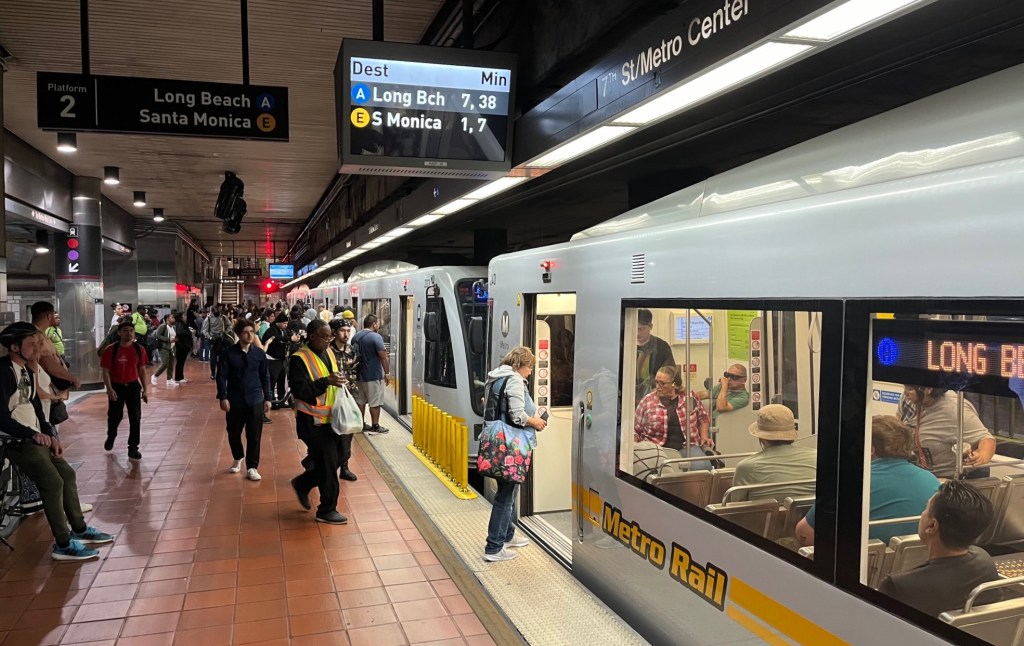
The debate, amendments, passage, and signing of Senate Bill 79, the Abundant and Affordable Homes Near Transit Act, dominated headlines at Streetsblog and across the state last year. Heated debates over SB79 continue today.
SB 79 is facing a messy rollout, visible fractures within the Democratic supermajority, and, as noted in a previous article at Streetsblog, open resistance from the Los Angeles Metro Board.
“This is probably the most challenging housing bill to implement because of all the unknowns,” said Jason Rhine, senior director of legislative affairs at the League of California Cities said to Politico.
A Confusing Rollout
SB 79’s implementation has proven less straightforward than the bill’s author, Senator Scott Wiener (D-SF) had hoped.
Cities, developers, and even some state officials have raised questions about how transit stops are defined, which corridors qualify, and how height and density standards apply in practice. Wiener has authored follow-on legislation, Senate Bill 677, which aims to clarify these questions, and has allowed for the possibility of delaying SB79 implementation.
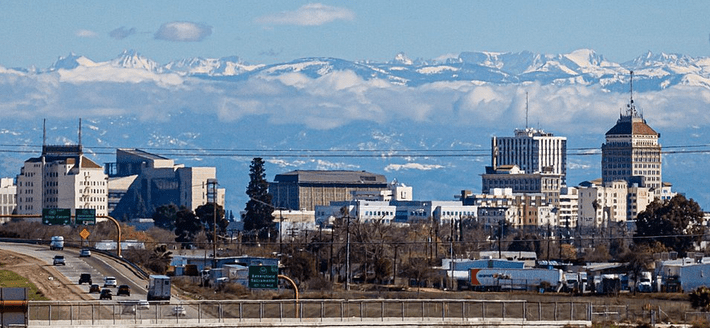
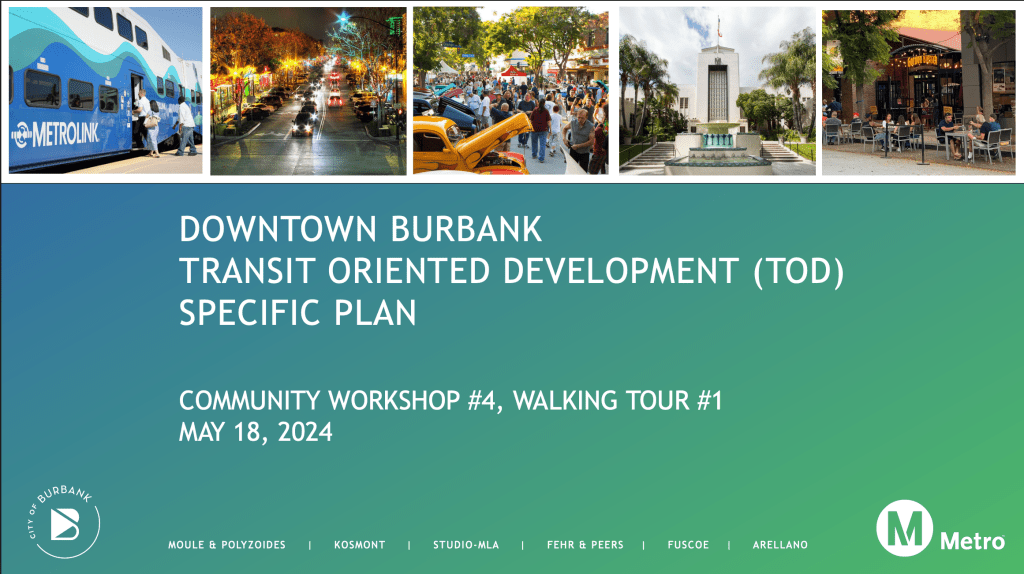
The uncertainty has given opponents an opening. In some communities, mostly in southern California, local officials have signaled reluctance to pursue new rail stations or high-frequency bus upgrades precisely because of the housing allowances that would follow. Encinitas and Solana Beach have in San Diego County have expressed concerns that the law will change the “local character” around transit stops. Officials in Burbank are asking questions about how the law will impact their city after construction of a new bus rapid transit line.
That dynamic — transit projects becoming politically riskier because of state housing mandates — was not what the bill’s authors envisioned. A law intended to better align transportation with housing policy is instead, in some ways in some places, complicating both.
Democrats Divided
CalMatters reports that the rocky rollout has also exposed fractures within the Democratic supermajority.
While pro-housing Democrats have framed SB 79 as essential to meeting state housing production and climate goals, others in the party have expressed discomfort with how far the state is going in preempting local zoning authority.
Part of the legislative effort to address rollout challenges has been Senate Bill 677, a technical follow-up measure meant to clarify and adjust provisions related to transit-oriented development. Weiner’s SB 677 would refine definitions/requirements in existing laws. This should help planners produce official transit-oriented development maps to clarify SB 79 changes.
It also includes broader updates to other housing streamlining laws to make smaller-scale housing builds easier and more affordable, strengthening tools like SB 9 duplex and lot-split provisions and SB 423 multifamily streamlining.
A recent vote on that follow-up bill revealed the partisan tension: seven Senate Democrats (mostly representing L.A. County and San Diego County) broke ranks, underscoring the politics around housing issues. The Senators all stated they believed the state needs more housing, but still debated whether Sacramento should dictate land-use outcomes in every city.
Wiener has also indicated he could be submitting more legislation to clarify and perhaps expand SB 79, but no information on that legislation is available just yet.
What’s at Stake
California continues to fall short of its housing production targets. Transit agencies face ridership challenges and looming fiscal cliffs. SB 79 attempts to address both problems at once by concentrating growth where infrastructure already exists.
If it succeeds, it could reshape development patterns across the state. If it falters, it may reinforce arguments that linking transit investment and land-use reform is politically untenable.
For now, the law’s future hinges not just on statutory language, but on whether state leaders, transit agencies, and local governments can align around a shared vision: that housing and transportation policy are inseparable.
Streetsblog has migrated to a new comment system. New commenters can register directly in the comments section of any article. Returning commenters: your previous comments and display name have been preserved, but you'll need to reclaim your account by clicking "Forgot your password?" on the sign-in form, entering your email, and following the verification link to set a new password — this is required because passwords could not be carried over during the migration. For questions, contact tips@streetsblog.org.