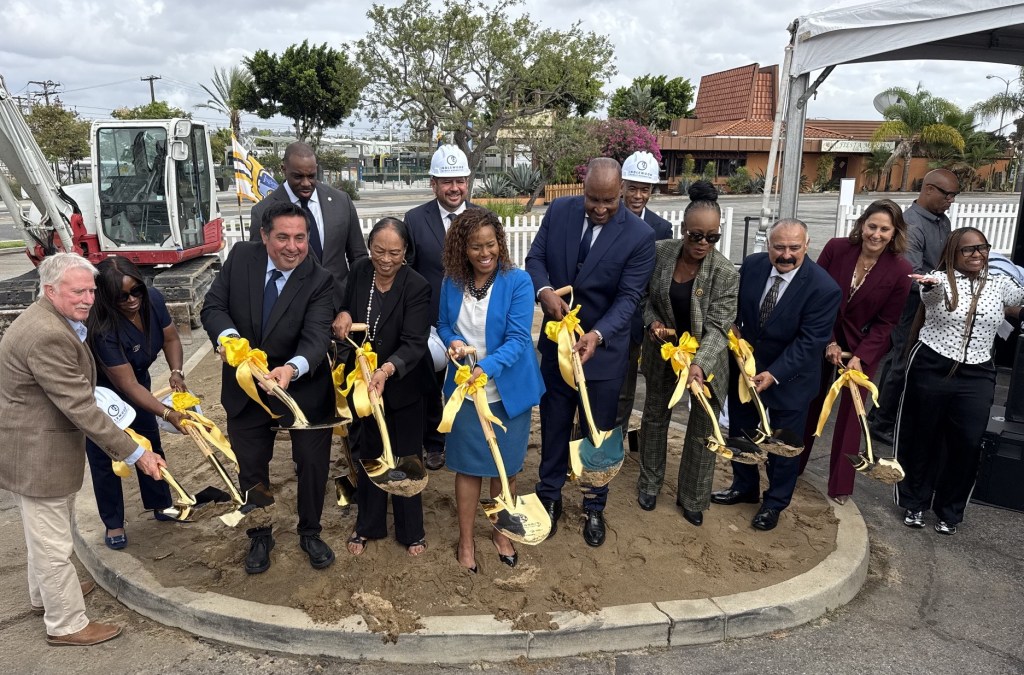
Transit Provider and COG Could Be Headed to Court Over State Transit Funds in San Joaquin Valley

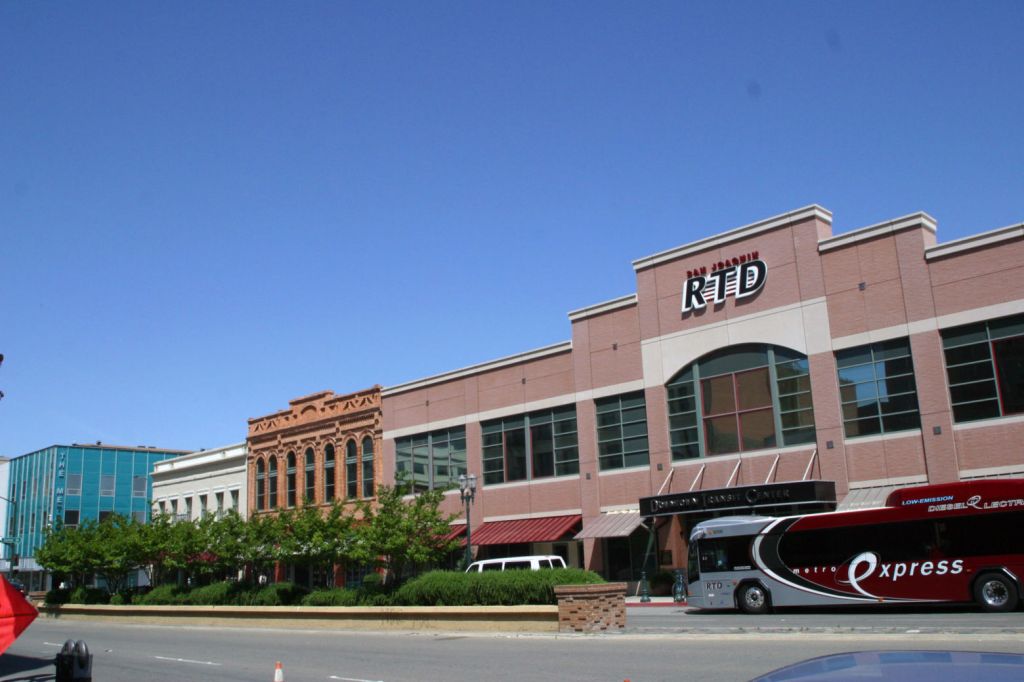
A battle over transit funding is brewing in the San Joaquin Valley. The local Council of Governments is facing off against the region’s largest transit provider. At stake is the flow of state funds designated to support transit operations.
On one hand, the San Joaquin Regional Transit District (RTD) is so frustrated with the San Joaquin Council of Governments’ (SJCOG) handling of funds dedicated by the state to support transit operations that they are threatening a lawsuit. On the other hand, the COG argues that the RTD is not facing the kind of fiscal crisis that would trigger releasing the funds, and sending RTD those funds would violate the funding agreement they both signed last year.
“The full COG board unanimously said, when we start with the first tranche of SB 125 funding, we agreed to a policy statement that prioritized no further transit cuts or service reductions from 2022 levels,” explains Stockton Mayor Christina Fugazi, who chairs the SJCOG Board of Directors.
“That’s the initial eligibility for these funds. RTD is a transit operator that is not at risk of cutting back below its 2022 service levels.”
For its part, RTD argues that it’s being punished for being fiscally responsible enough to have reserves, $62 million as of the start of the current fiscal year, and aggressive to increase service to try to restore ridership to pre-pandemic levels.
“We’re the largest transit operator in the MPO’s region providing 86% of all bus trips in the and we’ve received zero dollars of SB 125 dollars. It doesn’t make sense to me,” complains Alex Clifford, the CEO of RTD. “It doesn’t make sense to anyone that works here. Other agencies near us, StanRTA or SacRT …these agencies have gotten SB 125 funds.”
“The state’s intent with SB 125 was to get help fast to transit. The state did their part – the local MPO failed to do their part. “
The California Transit Association is a statewide organization representing public transit agencies and related stakeholders in California. CTA responded to an inquiry from Streetsblog that while it hasn’t monitored every SB 125 funding program, it has not heard of any agency facing a similar dilemma as RTD. Per CTA, other transit agencies are receiving SB 125 funds for programs that expand past 2022 transit operating levels.
Senate Bill 125
Senate Bill 125 was adopted in 2023 to provide ongoing state operating assistance to public transit agencies facing post-pandemic fiscal shortfalls. State guidance issued by CalSTA describes the program’s primary purpose as “addressing transit operator fiscal shortfalls” and stabilizing service, particularly where agencies face near-term operating deficits.
One of the stated goals of legislation was to prevent transit agencies from offering fewer service hours than what they offered in 2022, one of the worst years for transit operations because of the pandemic. The funds were to prevent agencies from going into a “death spiral” where reduced service begets fewer riders begets further reduced service until eventually agencies are forced to close.
In 2024 and 2025, RTD used its reserves to offer expanded service, compared to 2022. When RTD requested that SJCOG reimburse them from SB 125 funds, they were rebuffed. COG staff and board agreed; RTD was not in the sort of emergency situation imagined when SB 125 was signed.
However, there is nothing in the legislation that limits funding to restoring and/or maintaining 2022 service levels. It’s also true that the legislation does give some leeway to the pass-through agencies, such as SJCOG, to tailor programs to meet local needs.
Per current law, there is no deadline to spend SB 125 funds. So until the state law changes or the COG releases the funds, they will remain in a dedicated account with SJCOG. For more on the state guidelines, read this report put together by the California State Transportation Agency.
SJCOG’s Role
SJCOG’s SB 125 funding is not structured as a competitive grant program, so the funds are not going to other agencies instead of the RTD. Transit agencies submit invoices for eligible expenses, and SJCOG reviews those invoices for compliance with state law and applicable guidelines. SJCOG sees its role as distributing funds only to stabilize transit agencies that can demonstrate a near-term operating shortfall.
The region received approximately $67 million in SB 125 funding. Of that, RTD’s statutory formula share is about $43 million. SJCOG is reserving that funding pending an eligibility review of RTD’s submitted invoices.
The remaining roughly $24 million is available to other transit operators over the two-year life of the program. According to SJCOG, $11.6 million has been distributed to date, meaning about half of the funding available to other agencies has been allocated during the program’s first year.
“This reflects that we are on track with the expectations of SB 125 [by] making these funds available for reimbursement during the two-year period,” wrote Diane Nguyen, the executive director for SJCOG in a letter to Streetsblog. “The only portion not yet distributed relates to RTD’s invoices, which remain available to RTD for qualifying invoices received in the two-year period.”
The RTD/COG Agreement
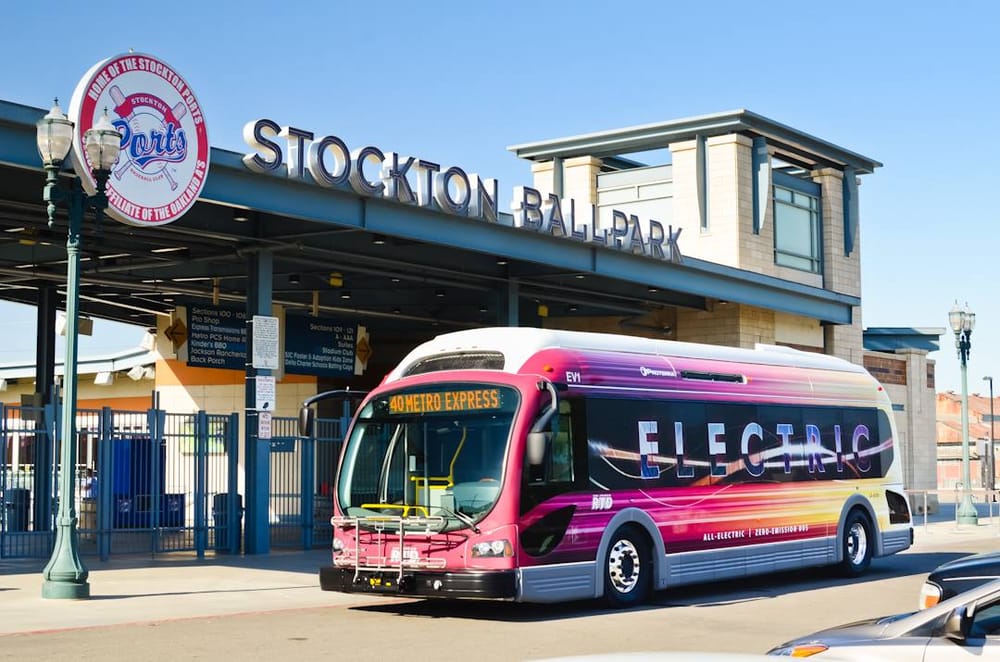
SJCOG contends that RTD understands the program, and signed an agreement with SJCOG stating that (as did all transit operators in the region).
“We have a legal fund transfer agreement, a written transfer agreement with all the transit operators, including RTD,” continues Fugazi.
“The agreement says the use of these funds are for this specific purpose (restoring and maintaining 2022 transit levels). So when RTD meets this purpose, and any transit operator per this fund transfer agreement meets this purpose, then we are able to disperse the funds… if you have $62 million in reserves, you are not having an emergency.”
For its part, RTD contends they signed the agreement under duress believing it was the only way to receive any SB 125 funds. Clifford shared an email he wrote to SJCOG that accompanied the agreement. Read the full letter.
“Following numerous attempts to appeal based on SJCOG’s misinterpretation of the SB 125 Guidelines and Revised Draft Guidelines, the SJCOG has placed RTD in the unfortunate and uncomfortable position of having to sign an agreement that is indisputably flawed,” Clifford wrote. “However, RTD must, at this time, execute the agreement to avoid placing at risk many more dollars than the potentially disputed dollars in an effort to ensure a flow of SB 125 to RTD immediately.”
According to the letter, RTD has been drawing on financial reserves since July 1, 2024, to cover operating expenses because it has been unable to access SB 125 funds held by SJCOG and previously approved by the SJCOG Board for RTD.
In the letter, RTD disputed language requiring SB 125 funds to support “a return to 2022 operating levels,” arguing that neither the statute nor CalSTA guidance identifies restoration to a specific service year as an eligibility requirement.
According to Clifford, the SJCOG Board authorized staff to ensure that the first tranche of SB 125 funding be used to address fiscal deficits, but did not delegate authority to introduce new criteria after transit agencies had already adopted their budgets.
RTD adopted its fiscal year 2025 budget in June 2024, including the use of SB 125 funds to address an operating deficit. The agency has submitted invoices seeking reimbursement for operating deficits incurred between July 1, 2024 and September 30, 2025.
Unless a political solution or compromise is reached, it seems as though the matter could be decided in the courts.
“We don’t want to take legal action,” Clifford said to Streetsblog. “However, we have exhausted all the administrative appeals possible, and we have formally requested numerous times for SJCOG to agree to allow a mutually agreed upon neutral facilitator to help resolve this dispute. We have not objected to such a meeting being open to the public.”
What’s Next?
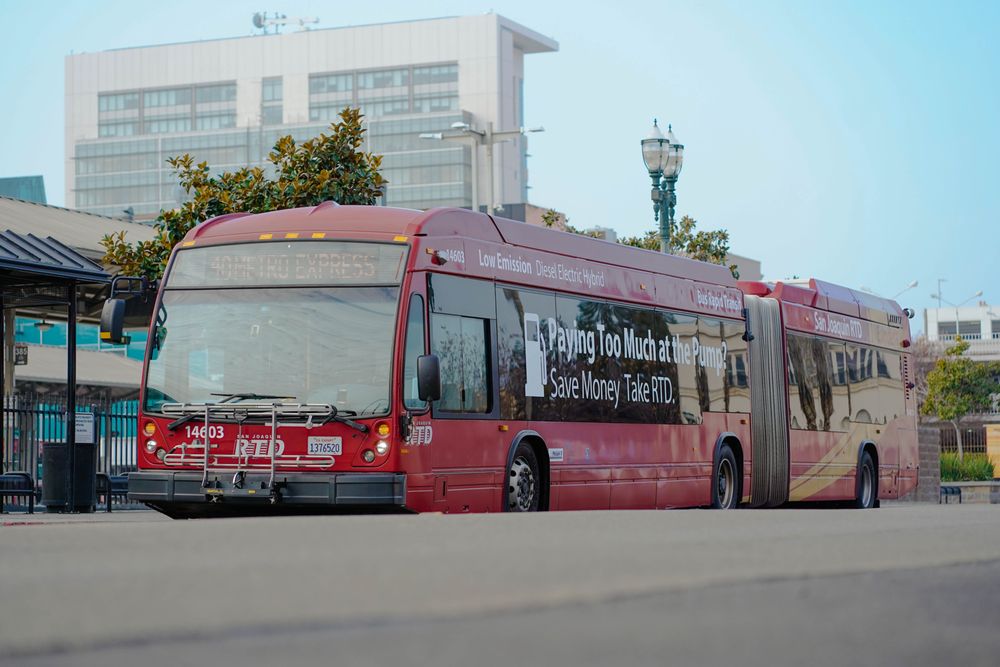
RTD has not dropped the threat of a lawsuit, but the agency was invited by Stockton Vice Mayor Jason Lee to present at the Stockton City Council early next year.
“Stockton is the metropolitan core of our system,” concludes Clifford. “Roughly 80% of RTD’s countywide ridership occurs in the City of Stockton. RTD is fiscally responsible and has established reserves, which in part, help to protect current service levels from the impacts of an economic downturn and are used to meet the local match requirements when applying for grants. If our reserves are drawn down, it’s the riders in Stockton who will feel any changes in service on the street the hardest.”
The Stockton City Council does not have a formal say in whether or not SJCOG will change its SB 125 funding program or release the SB 125 funds, however RTD is hopeful that the discussion might change how Fugazi views the situation which could make a difference given her prominent role at SJCOG.
Streetsblog has migrated to a new comment system. New commenters can register directly in the comments section of any article. Returning commenters: your previous comments and display name have been preserved, but you'll need to reclaim your account by clicking "Forgot your password?" on the sign-in form, entering your email, and following the verification link to set a new password — this is required because passwords could not be carried over during the migration. For questions, contact tips@streetsblog.org.