Republican Assemblymembers Attack High-Speed Rail as Authority Shows How Expenditures Are Helping Central Valley


Republican lawmakers introduced a pair of new bills last week (Assembly Bill 267 and Assembly Bill 273) to defund the state’s bullet train project by taking annual allocations to the California High-Speed Rail Authority and redirecting it towards wildfire prevention, water infrastructure and even highway expansion.
Currently, the High-Speed Rail Authority receives $1 billion every year from the state’s Greenhouse Gas Reduction Fund, funded by the Cap-and-Trade program where businesses pay fees to the state to help make up for the pollution they cause. For a list of the projects funded by the Cap-and-Trade program, click here.
Both pieces of legislation attack the high price tag of the project. In 2008 when voters approved a bond to fund High-Speed Rail, the project was estimated to cost $45 billion. The estimate is now over $125 billion, with much of the increase attributable to inflation, road projects the authority was forced to pay for (example: massive, over-engineered overpasses), increased costs for land acquisition, and continued delays from political cycles.
A.B. 267, introduced by Alexandra Macedo,(R-Porterville), would redirect those funds to projects that in her words, reduce the odds of future wildfires breaking out and improve the state’s water infrastructure.
“Families are devastated beyond words, and entire communities have been wiped out by the raging wildfires in Southern California,” said Macedo in a press statement. “Sadly, this is not a unique catastrophe. The state needs to do more to prevent such a tragic disaster.”
A.B. 273, introduced by Kate Sanchez (R-Temecula), takes things one step farther by sending funds not just to wildfire prevention and water infrastructure projects, but also to road expansion.
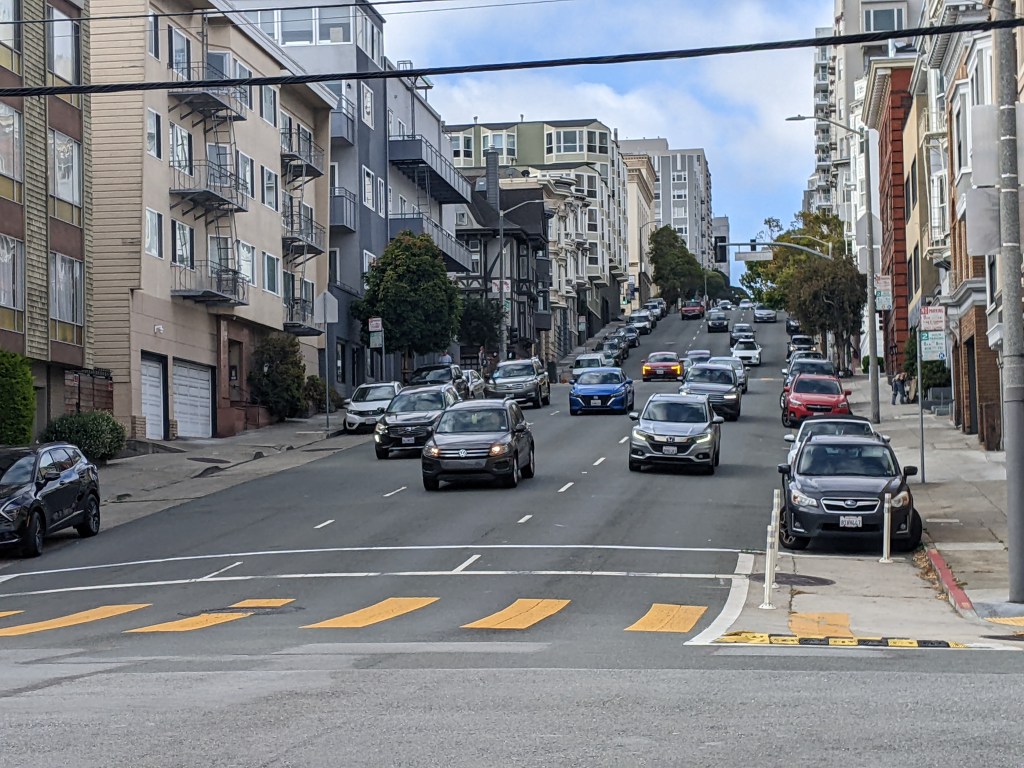
Defunding High-Speed Rail to increase highway capacity? That would only make future wildfires even more dangerous as Climate Change makes the Santa Ana winds even stronger and the wildfire season even more dangerous.
“Highway expansion is climate arson, it only leads to more drivers clogging more roads, and it destroys communities. If we shifted a fraction of what we spend on highways and instead put it to the high-speed rail, we could get this vital congestion and climate relief project done faster,” writes Carter Lavin of the Transbay Coalition in response to the legislation.
Neither piece of legislation has much chance of passing in the Democratic-controlled Assembly chamber. Despite the amount of noise made about the faults of the California High-Speed Rail project, political campaigns built around attacking the project haven’t had much success.
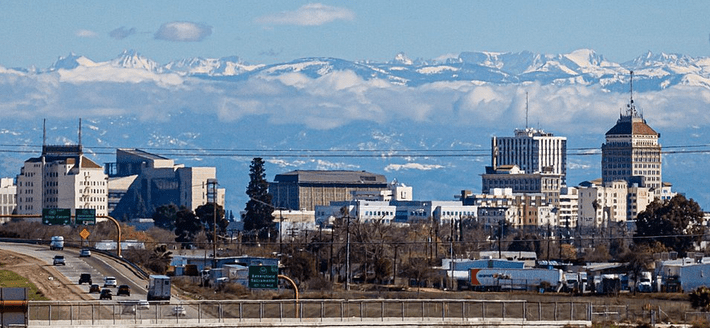
And while the attacks against High-Speed Rail are nothing new, the project itself continues to be built. There are currently 171 miles under design and construction from Merced to Bakersfield. More than 60 miles of guideway is completed and, of the 93 structures needed, 50 are complete and more than 25 are under construction between Madera, Fresno, Kings, Tulare and Kern counties.
A fiscal report released by the Authority last week shows that the $13 billion spent on the project has created 109,000 job years of employment and $22 billion in economic growth, most if it centered in lower-income communities in the Central Valley.
“The benefits of investing in a high-speed rail system continue to ripple through the California economy,” Jamey Matalka, authority Chief Financial Officer, said to Transportation Day News. “This project is creating meaningful partnerships and jobs, lifting up disadvantaged communities and supporting greenhouse gas reduction goals.”
Streetsblog has migrated to a new comment system. New commenters can register directly in the comments section of any article. Returning commenters: your previous comments and display name have been preserved, but you'll need to reclaim your account by clicking "Forgot your password?" on the sign-in form, entering your email, and following the verification link to set a new password — this is required because passwords could not be carried over during the migration. For questions, contact tips@streetsblog.org.