CA Legislature Passes Speed Camera Bill

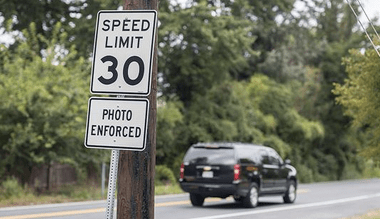
After an arduous and digressive journey, Assemblymember Laura Friedman’s bill to allow a few cities to test whether cameras can help curb dangerous speeding passed out of the legislature.
A.B. 645 grew exponentially more complex in the process in an attempt to satisfy its opponents. The author and the bill’s sponsors, including Walk San Francisco, Streets for All, and Streets Are For Everyone (SAFE), adapted the bill numerous times to respond to opponents’ concerns. However, despite their proven effectiveness in reducing speeding behavior, speed cameras will likely always be opposed by some groups no matter what.
The legislation includes tight rules around where, how, and for how long the photos taken can be stored. It does not allow the cameras to be used to raise revenue, with relatively low fines and strict regulations about what any money raised through them could be used for.
It also includes provisions requiring the cameras to be deployed in areas that are geographically as well as socioeconomically diverse. This is in response to charges from equity advocates that if more cameras were deployed in communities of color they could potentially issue more citations to drivers of color, while if they were used primarily in higher income areas, it could be just one more way that low-income neighborhoods are neglected in terms of safety.
The authors and the advocates who want this bill don’t pretend that it will solve speeding. To that end it also includes numerous provisions aimed at making sure cities also use additional measures to slow traffic calming. And if the cameras don’t produce the desired results of slowing people down, they would have to be removed.
Finally, the cameras would only be allowed to be deployed in certain cities that have asked to be included in the pilot program, including Los Angeles, San Jose, Oakland, Glendale, Long Beach, and San Francisco. They require robust and lengthy notification to the public ahead of time, including only warnings issued both during the first sixty days after the cameras are turned on as well as for any first offenses.
Because the aim is to reduce speeding, and other similar programs have found that few people receive a second citation, the program might cost more to run than it has any hope of raising in fines – which is fine with the author, and with the cities that want to use them to cut speeding.
Governor Newsom has not yet indicated whether he will sign the bill, so advocates are not yet celebrating too loudly. Expect privacy advocates to continue their lobbying against the bill. But as Jodie Medeiros, Executive Director of Walk San Francisco put it, “Governor Newsom has been a mayor, and he knows what it’s like to run a city that is grappling with so many challenges.”
As far as why this bill succeeded in getting through the legislature where a similar bill in 2021 never made it past the Assembly, there are any number of thoughts as to why. Medeiros points to the ever-growing number of traffic fatalities, and how more people are directly affected by them. Speeding has become so common that many people see it and can easily recognize the dangers it poses to themselves and everyone else.
According to SAFE, speed has been the single largest factor for all traffic collisions in Los Angeles every year since before 2011. As of August 2023, there have already been 200 fatalities this year in L.A.
The advocates spent a day last week visiting legislators to urge them to approve the bill. They were joined by Liz and George Quiroz, whose five-year-old daughter Aileen was hit and killed by a speeding driver in San Jose in 2017. At their final meeting, after a tiring day, they were talking to a legislative staffer about the bill when they said something along the lines of: “But I’m hearing a lot about privacy concerns.”
Liz, as quoted by one of the advocates in the room, had about had it. “Privacy,” she said.
“All day long I’ve heard about concerns around privacy. Look, we all carry phones. We all drive cars. These are collecting our information all the time,” she said.
“But you know what’s real? I don’t have a daughter.”
“If all you’re concerned about is somebody’s privacy – I’m sorry,” she said. “It’s too late.”
Governor Newsom has until October 14 to decide the bill’s fate.
Streetsblog has migrated to a new comment system. New commenters can register directly in the comments section of any article. Returning commenters: your previous comments and display name have been preserved, but you'll need to reclaim your account by clicking "Forgot your password?" on the sign-in form, entering your email, and following the verification link to set a new password — this is required because passwords could not be carried over during the migration. For questions, contact tips@streetsblog.org.