Documents Completed on San Francisco Leg of High-Speed Rail
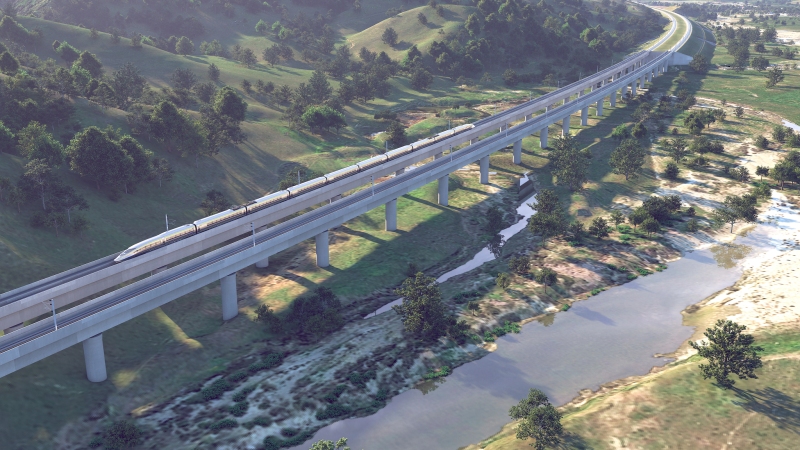
The next step towards getting the San Francisco to Merced section of California’s High-speed Rail project shovel-ready was taken Friday with the completion of a required environmental study of the alignment. This all-important connection between the Central Valley and Silicon Valley has been a “long time coming and this is a big milestone,” said Boris Lipkin, Northern California Regional Director.
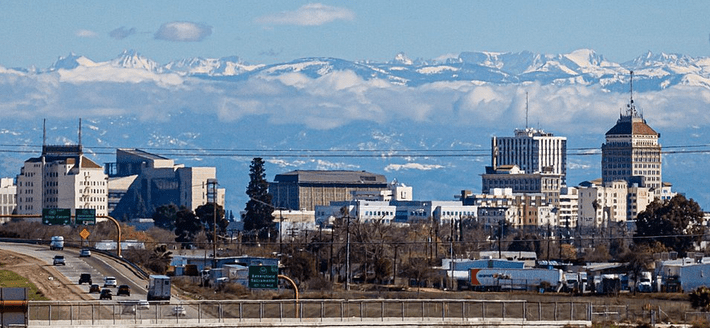
Over a hundred miles of right-of-way, including bridges, trenches, and other large concrete structures, are nearly complete in the Central Valley between Bakersfield and Merced, where the system will connect in the short term to existing Amtrak services to Oakland and Sacramento. While this “spine” of California’s system has been under construction, the California High-speed Rail Authority has been completing complex but necessary studies to get the system finished to San Francisco and Los Angeles. Without funds in hand to complete the entire system at once–and with a hostile administration in Washington from 2016 to 2020–the strategy was to get everything ready to go, so they’d be ready when a rail-friendly administration came back into power. Obviously, that happened when “Amtrak Joe” Biden was elected and the Democrats took control of the Senate and House of Representatives at the end of 2020.
The “San Jose to Merced Project Section Final Environmental Impact Report/
Environmental Impact Statement” clears construction to begin on the high-speed connection between the Central Valley and Bay Area. Electrification and upgrades are already well underway on Caltrain’s mainline, which will be shared with HSR, meaning when the Merced to San Jose section is complete trains will be able to run directly into San Francisco as well (Caltrain should start electrified service in two years).
And with money available in the recently passed infrastructure bill, this document will put the project at the front of the line for federal funding. Currently, an estimated $36 billion in federal grants will be available for passenger rail over the next five years. That will be matched by state sources, such as cap and trade. An additional $10 billion, dedicated to high-speed rail exclusively, could be forthcoming from Washington, as Democrats push to reconstitute a new spending plan from the failed Build Back Better package, explained the Andy Kunz of the U.S. High Speed Rail Association.
One of the biggest impediments to finishing the system remains state Assemblymembers Anthony Rendon and Laura Friedman, who don’t seem to want the project to reach their own constituents in Los Angeles. Currently, they are holding up over $4 billion in voter-approved bond money for the project, which was allocated by Governor Newsom but rejected by the legislators.
Meanwhile, documents were completed for the Burbank to Los Angeles section in January. Bakersfield to Palmdale was released in August. And the Palmdale to Burbank draft document should be released shortly, finally completing all environmental documents from Los Angeles to San Francisco.
The Merced-San Jose study will go to the California High Speed Rail Authority Board for approval during a two-day meeting, April 20 and 21.
Streetsblog has migrated to a new comment system. New commenters can register directly in the comments section of any article. Returning commenters: your previous comments and display name have been preserved, but you'll need to reclaim your account by clicking "Forgot your password?" on the sign-in form, entering your email, and following the verification link to set a new password — this is required because passwords could not be carried over during the migration. For questions, contact tips@streetsblog.org.