Congress to Bar Purchase of Chinese-Made E-Buses and Rail Cars

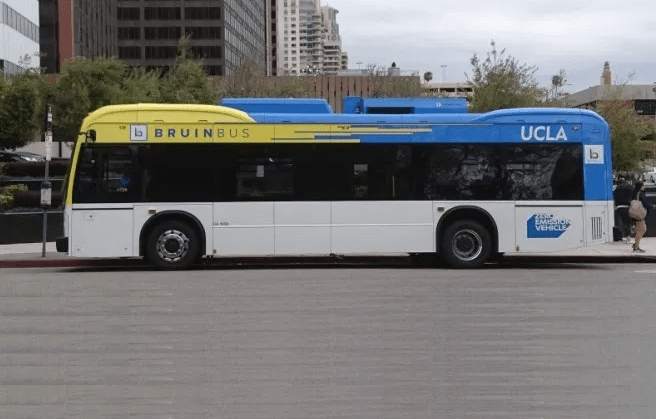
Congressional leaders reached an agreement to bar Chinese buses and rail cars in a move that could severely hinder the electric vehicle industry’s ability to meet demand from cities that want to lower their carbon emissions.
House Democrats and Senate Republican leaders inserted a provision into a defense bill on Monday that would prohibit transit agencies from using federal funds to purchase buses and rail cars made by Chinese-owned companies.
The order is part of the must-pass National Defense Authorization Act that wouldn’t be implemented for a two-year period and would exempt contracts if it passes as it is currently written.
But the proposed legislation would effectively ban electric vehicle orders from Shenzen-based BYD, the world’s largest battery-powered transit manufacturer, as cities and regional transportation authorities look to switch out diesel-spewing buses for cleaner counterparts. The bill could also endanger 1,000 manufacturing jobs at BYD’s Lancaster, Calif. plant, which opened in 2013.
“This unfortunate decision rewards a special interest misinformation campaign to squash competition in the electric bus sector and could weaken American competitiveness, threaten hundreds of union jobs, and undercut our country’s fight against climate change,” BYD said in a statement. “The United States needs to build its electric bus capacity, not shrink it.”
Officials from BYD said they would continue to fulfill orders over the next two years, as well as fulfill orders from private customers that don’t use federal transit dollars, but acknowledged the congressional action could lead to higher prices and fewer electric vehicles on the road.
That worries transportation advocates, who warn that transit agencies may face higher costs when purchasing North American-made electric vehicles and innovation could be stifled.
“All-electric bus fleet purchases we’ve seen so far indicate it’s not quite a mature technology,” TransitCenter spokesman Ben Fried told Streetsblog. “If you’re limiting competition at this point, you may be locking agencies into decisions that will have negative consequences down the road. If you’re taking away options agencies may not be able to buy the best product.”
Two North American EV companies — New Flyer Industries based in Winnipeg, and Proterra, which is based in Burlingame, Calif. — could gain from the “Buy American” provision, although it is unclear whether both firms would have the capacity to meet future demand. Proterra declined to comment.
Electric buses have caught on slowly in the United States despite widespread acknowledgement that transportation is one of the leading causes of carbon emissions. Of the 80,0000 battery-powered buses delivered around the world last year, only 300 vehicles were added to U.S. fleets.
But scores of American cities are incorporating the electrification of bus fleets into their long-term climate change goals. New York has vowed to convert its fleet of diesel buses to electric ones by 2040 while Los Angeles aims to beat the Big Apple by a decade. And last week, the U.S. Department of Transportation awarded $423 million in bus facility funding, mostly to help smaller urban areas replace aging gas-powered fleets with new electric vehicles.
Reaching climate goals could be a challenge if the electric buses can’t perform with the same range and power as gas guzzling ones. Albuquerque canceled a deal with BYD and returned 15 buses after city officials found the buses couldn’t complete routes along the city’s hilly streets without being recharged after 177 miles, well short of the 275 miles BYD promised. BYD has also had to install additional charging infrastructure in other cities where buses failed to operate as promised in extreme heat and extreme cold temperatures.
The company said it is working through the challenges to develop batteries that last longer in adverse weather conditions. Meanwhile other nations are making orders for Chinese-made buses, including the Netherlands which purchased 259 vehicles to be delivered next summer.
Streetsblog has migrated to a new comment system. New commenters can register directly in the comments section of any article. Returning commenters: your previous comments and display name have been preserved, but you'll need to reclaim your account by clicking "Forgot your password?" on the sign-in form, entering your email, and following the verification link to set a new password — this is required because passwords could not be carried over during the migration. For questions, contact tips@streetsblog.org.