Today’s Headlines
More California headlines at Streetsblog LA and Streetsblog SF

9:37 AM PDT on August 27, 2015
- Cap-and-trade is not for road repair (LA Times)
- The Texas Transportation Institute is still measuring mobility all wrong (Planetizen)
- Here’s a roundup of articles pointing out how its congestion study is missing the mark (City Observatory)
- Although it does point out that California’s drivers are the most stressed (Contra Costa Times)
- Sacramento set to build much more housing downtown (Sacramento Bee)
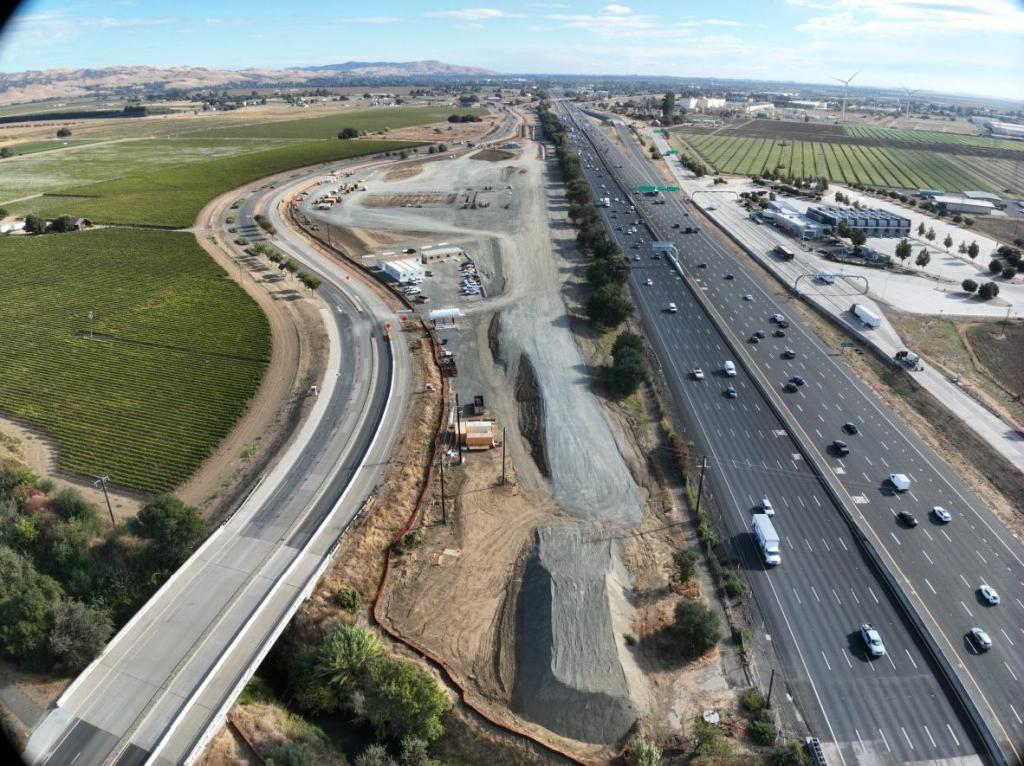
- Benicia transit hub breaks ground (Times Herald)
- No, Uber doesn’t reduce congestion, and it doesn’t help air quality, either (Tech Crunch)
- In Buenos Aires, a focus on making the city safe and pleasurable for pedestrians, bikes (Globe and Mail)
More California headlines at Streetsblog LA and Streetsblog SF
Streetsblog has migrated to a new comment system. New commenters can register directly in the comments section of any article. Returning commenters: your previous comments and display name have been preserved, but you'll need to reclaim your account by clicking "Forgot your password?" on the sign-in form, entering your email, and following the verification link to set a new password — this is required because passwords could not be carried over during the migration. For questions, contact tips@streetsblog.org.
More from Streetsblog California



Prop 45: What Would It Mean for San Diego
Proposition 45 promises faster project approvals, but its sweeping changes to CEQA could limit public input, weaken environmental review and fast-track highway expansions. San Diego advocates and experts weigh what the measure could mean for the region.

October 16, 2026

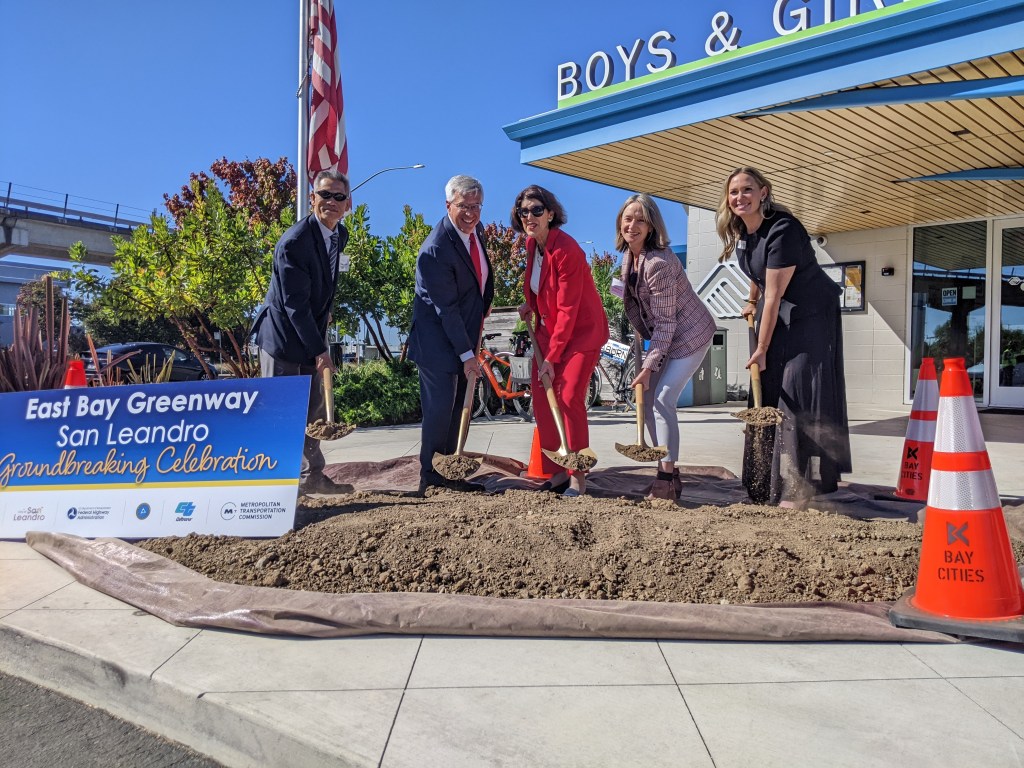
San Leandro Breaks Ground on New ‘Greenway’ Segment
Actually, it's on-street bike lanes, not a 'greenway' in this segment. And while it will be a great improvement, the intersection designs are still dangerous

October 15, 2026
Newsom Signs Bill to Better Align California Transportation Spending With Climate Goals
SB 1087 updates California’s landmark sustainable communities law, strengthening the connection between regional climate plans and transportation investments.
October 15, 2026