Environment for Sale: Trump Administration Threatens California’s Coastal Protections

The Trump administration is threatening to strip California of its authority to protect its coastline unless state regulators agree to demands that could benefit offshore oil companies and other powerful interests. The move could make it easier to restart dormant oil operations and expand offshore development, while limiting California’s ability to challenge projects that threaten its coast.
While the state has not publicly discussed legal options should the administration move forward with its threats, there is no legal precedent for the federal government to act in this manner with the dozens of states that have similar deals. It doesn’t take a fortune teller to see this story ending up in court like the administration’s other pro-pollution, anti-California actions.
What Happened
The National Oceanic and Atmospheric Administration (NOAA) issued draft findings demanding that California’s coastal agencies complete more than a dozen “corrective actions” or risk losing federal approval of the state’s coastal management program. Federal funding for the program has also been suspended pending resolution of the alleged deficiencies. The report is not yet available online, but the Los Angeles Times received a copy through a public records request.
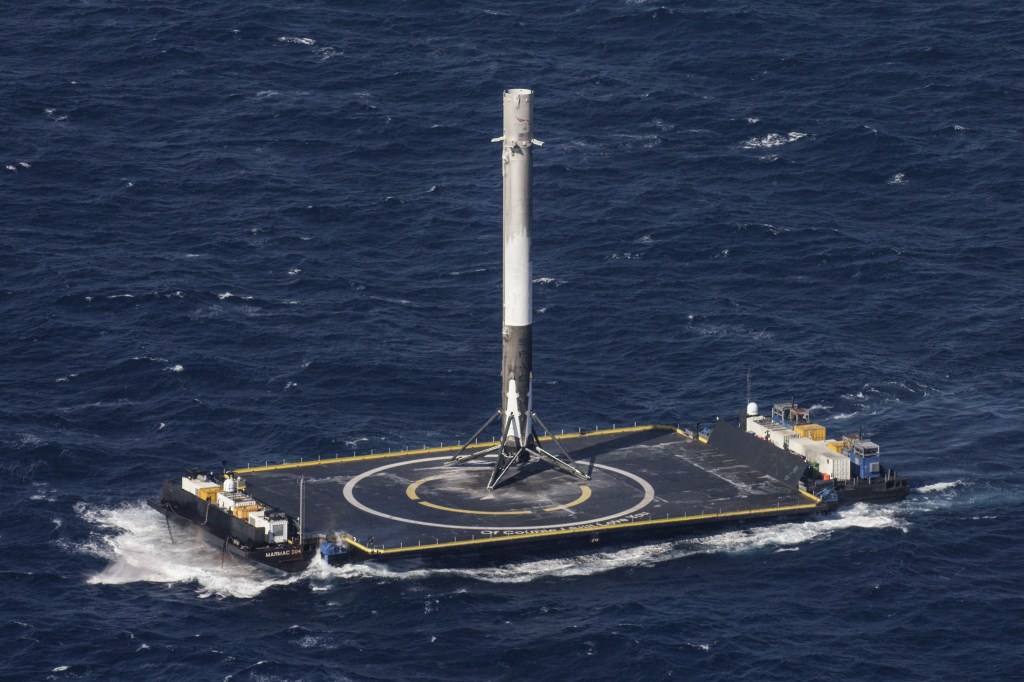
The demands seem more political than anything having to do with protecting the environment. Among them are a requirement the California Coastal Commission must meet with SpaceX, which happens to be owned by Trump ally and GOP mega-donor Elon Musk. The commission must also meet with Sable Offshore Corp., a Texas-based oil company seeking to restart a dormant oil operation off Santa Barbara County. Sable has been under investigation by California’s Senator Adam Schiff for using political donations to influence federal policy. Sable gave $300,000 to a Super PAC supporting Trump’s last campaign.
“This is a five-alarm warning to every job and industry that relies on our sandy beaches and beautiful bluffs for its livelihood,” Schiff told the Los Angeles Times. “Soon, you too could see your environment for sale to Big Oil, Elon Musk, and any other high bidder that buys its way into the White House ballroom.”
California has participated in the federal Coastal Zone Management Act since 1978. The law gives the state a role in reviewing federally regulated projects that could affect its coast, including development in federal waters. While the administration tries to paint the state and the California Coastal Commission as obstacles to progress, the Commission has approved 96% of the permit applications it receives as submitted.
A Review With a Predetermined Outcome?
The administration has portrayed its investigation as a response to what it calls California’s “environmental extremism” and alleged political bias against offshore drilling and SpaceX’s launch activities. But an earlier federal review reached a very different conclusion.
According to the Los Angeles Times, a review conducted during the Biden administration found that California was successfully implementing its coastal management program and gave its agencies high marks. The Trump administration nevertheless ordered a new evaluation focused on industries and projects the White House wants to advance.
As part of the legal requirement to complete its review, NOAA was required to hold a public hearing and take written input. Public feedback overwhelmingly favored preserving California’s coastal authority. More than 23,000 written comments were submitted, with approximately 95% supporting the state’s ability to protect its coast, according to the Surfrider Foundation. Hundreds of Californians also spoke at an August public hearing in Santa Monica.
Surfrider says the agency relied on roughly a dozen comments critical of California when developing its proposed corrective actions, even as the draft report acknowledged that parts of the state’s program are excellent.
California’s Coast Is Not a Bargaining Chip
In an October 24 statement published by the Surfrider Foundation, California Policy Associate Director Jennifer Savage argued that the review was designed to benefit companies favored by the White House.
“[The review] was never about coastal management. It was about making it easier to develop controversial projects favored by the White House and which benefit the administration’s allies, including SpaceX and Sable Offshore Corp.,” Savage wrote.
She added: “It’s a demand that a state agency promise outcomes to specific companies before it has seen their applications.”
California’s coastal protections do not automatically prohibit offshore projects. They give regulators a process for evaluating environmental impacts and determining whether development complies with state coastal policies.
What Happens Next?
The California Coastal Commission, State Coastal Conservancy, and San Francisco Bay Conservation and Development Commission have been given until November 16 to respond to the draft findings. The Coastal Commission requested a 15-day extension, according to the Los Angeles Times.
NOAA will then issue its final findings. The federal government can pursue withdrawal of its approval of California’s coastal program if the state fails to address the identified deficiencies, potentially weakening its ability to challenge projects affecting the coastline.
Surfrider is urging NOAA to drop corrective actions unrelated to coastal management and preserve the federal-state partnership that has helped protect California’s coast for nearly 50 years.
Streetsblog has migrated to a new comment system. New commenters can register directly in the comments section of any article. Returning commenters: your previous comments and display name have been preserved, but you'll need to reclaim your account by clicking "Forgot your password?" on the sign-in form, entering your email, and following the verification link to set a new password — this is required because passwords could not be carried over during the migration. For questions, contact tips@streetsblog.org.