Papan Wants to Draw a Legal Line Between E-Bikes and Electric Motorbikes

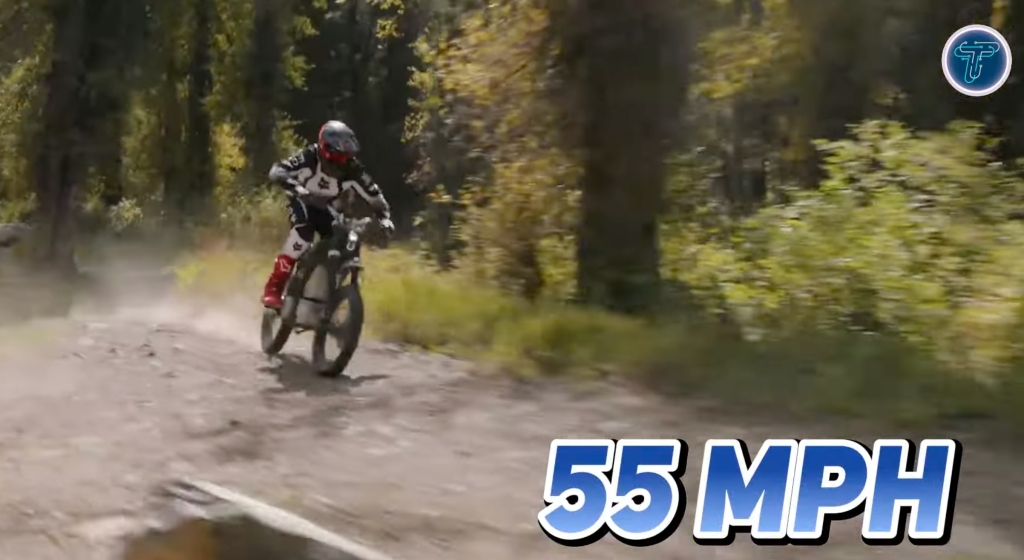
California legislators are advancing a bill to tighten regulations on electric bicycles in response to a surge in crashes and serious injuries tied to high-powered models. The proposal would limit the motor output of e-bikes sold in the state to a maximum of 750 watts, aligning with existing federal e-bike definitions. It would also clamp down on two-wheeled devices capable of higher speeds that currently blur the line between bicycles and motorized vehicles.
Throughout the state, we’ve seen a hodge-podge of local legislation attempting to regulate and classify e-bikes. The laws sometimes show confusion from those writing them on what is, and isn’t, an e-bike and what is just an electric motorcycle. By tying the definition to wattage, Assemblymember Diane Papan (D-San Mateo) hopes that her legislation, Assembly Bill 1557, will bring clarity and better rule making and safer streets.
“We think we are really going to enhance safety with it. We don’t want to ban it altogether. We just want to make it where the bikes are safer,” said Papan in an interview with CBS News. “One little tweak and you’re going way over 28 miles an hour.”
Currently, many e-bike motors can be modified to reach 1,200 to 6,000 watts, far exceeding the 750-watt threshold this new legislation would establish.
Supporters contend that unregulated high-power e-bikes — some approaching or exceeding motorcycle-like performance — pose a rising risk to riders, pedestrians, and other road users when they operate at speeds or power levels not anticipated in current safety rules.
Or as Ted Rogers put it at Biking In L.A., “Maybe then we can finally get everyone to stop calling the damn things (high powered electric motorbikes) e-bikes, and blaming all of us for the actions of a relative few teen knuckleheads.”
Critics of overly broad restrictions caution that e-bikes are a crucial tool for sustainable, equitable transportation — especially for commuters, older riders, and people for whom traditional cycling is physically challenging. They argue that enforcement and education — such as improved helmet use and rider training — should be central to safety strategies, rather than sweeping bans on certain technologies.
Streetsblog has migrated to a new comment system. New commenters can register directly in the comments section of any article. Returning commenters: your previous comments and display name have been preserved, but you'll need to reclaim your account by clicking "Forgot your password?" on the sign-in form, entering your email, and following the verification link to set a new password — this is required because passwords could not be carried over during the migration. For questions, contact tips@streetsblog.org.