AIDS/LifeCycle Kicks Off Its Last Ride This Sunday
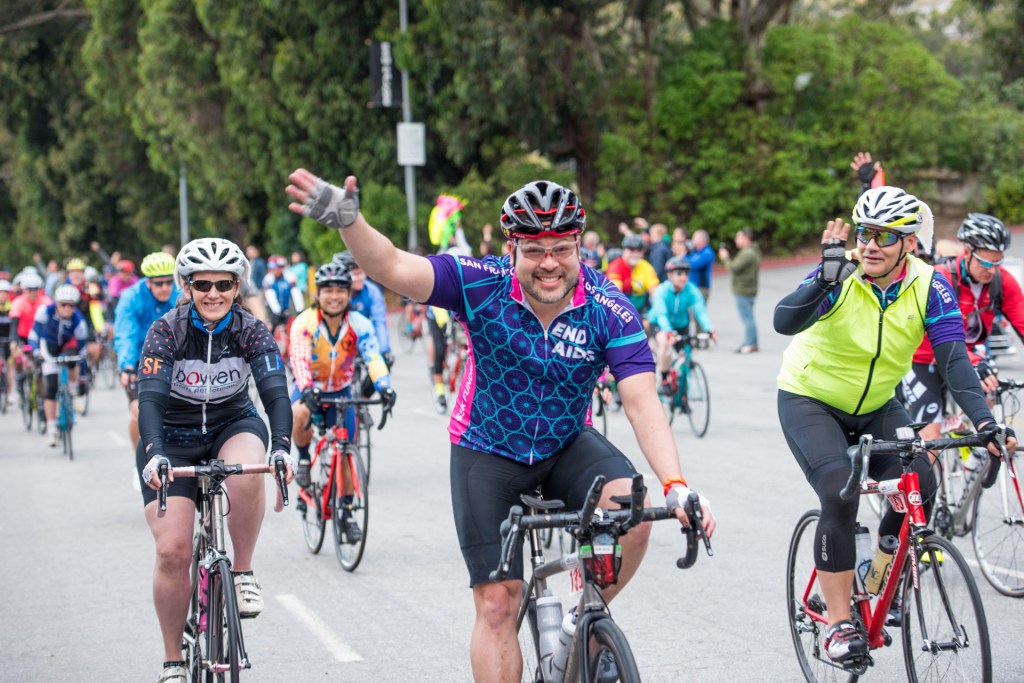
The AIDS/LifeCycle, one of the country’s most famous and influential annual fundraising events, is hosting its last ride after 31 years starting this Sunday. The seven-day, 545-mile bicycle ride from San Francisco to Los Angeles has become an annual event that raises millions of dollars, public awareness of the AIDS epidemic, and showcases the solidarity of riders.
The decision to end the ride is based on a combination of increased production costs and a significant decline in both participation and fundraising, in a post pandemic world. In 2022, the ride attracted 2,500 riders and raised over $17 million. Over the next two years participation dropped to around 1,400 riders.
I’ve never ridden LifeCycle, until my recent turn as a marathon runner the kind of training that was needed was unthinkable for me, but have always admired and sometimes financially supported those who did. A far better eulogy than mine can be found on Daily Kos by “SF Bob,” who is participating in the ride for the 26th time.
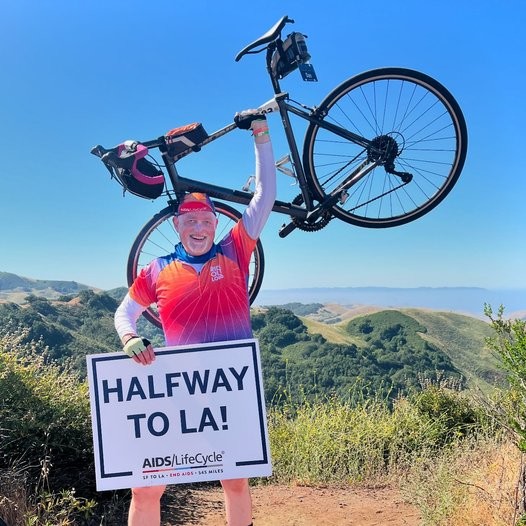
The ride began as the “California AIDS Ride” in 1994 and was organized by and benefitted the San Francisco AIDS Foundation and the Los Angeles LGBT Center. The ride was based on the walk-a-thon model made popular by tens of thousands of primary schools across the country. Riders would seek support from donors and even corporate sponsors to raise funds for the ride.
The first California AIDS Ride attracted 400 riders and raised over $1 million. The ride grew in both size and success until it was rebranded in 2002 as AIDS/LifeCycle. With the new name came an increased focus on education and awareness with a goal of destigmatizing patients battling the disease.
Riders aren’t just braving the roads together, but in many cases camping together too. Some riders choose to stay in hotels along the route, but the majority rough it for all or most of the trip. AIDS/LifeCycle staff provide support, meals and sometimes even entertainment.
Since its rebranding, the AIDS/LifeCycle has raised over $300 million for HIV/AIDS-related services. The funds support programs including HIV testing, prevention education, medical care, housing support, and legal advocacy—primarily through the San Francisco AIDS Foundation and the Los Angeles LGBT Center.
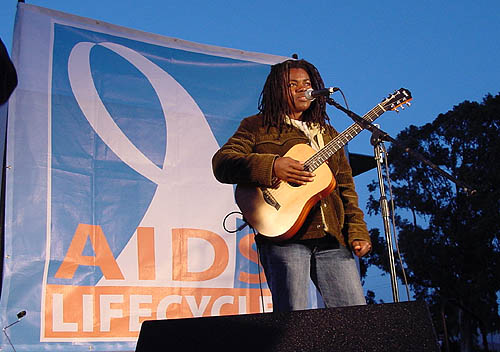
Over the years, a handful of celebrities and political leaders have taken part in the ride including then-Congressman Adam Schiff (who will be the first U.S. Senator to do the ride this year), singer-songrwriter Tracy Chapman, Ru Paul’s Drag Race star Courtney Act, Assemblymember Paul Koretz, and olympian Gus Kenworthy.
Streetsblog has migrated to a new comment system. New commenters can register directly in the comments section of any article. Returning commenters: your previous comments and display name have been preserved, but you'll need to reclaim your account by clicking "Forgot your password?" on the sign-in form, entering your email, and following the verification link to set a new password — this is required because passwords could not be carried over during the migration. For questions, contact tips@streetsblog.org.