Friday’s Headlines
So, could CA HSR get built more quickly? SF asks state to reconsider allowing more driverless taxis; Maybe one-way streets never were such a good idea; More

8:49 AM PDT on August 18, 2023
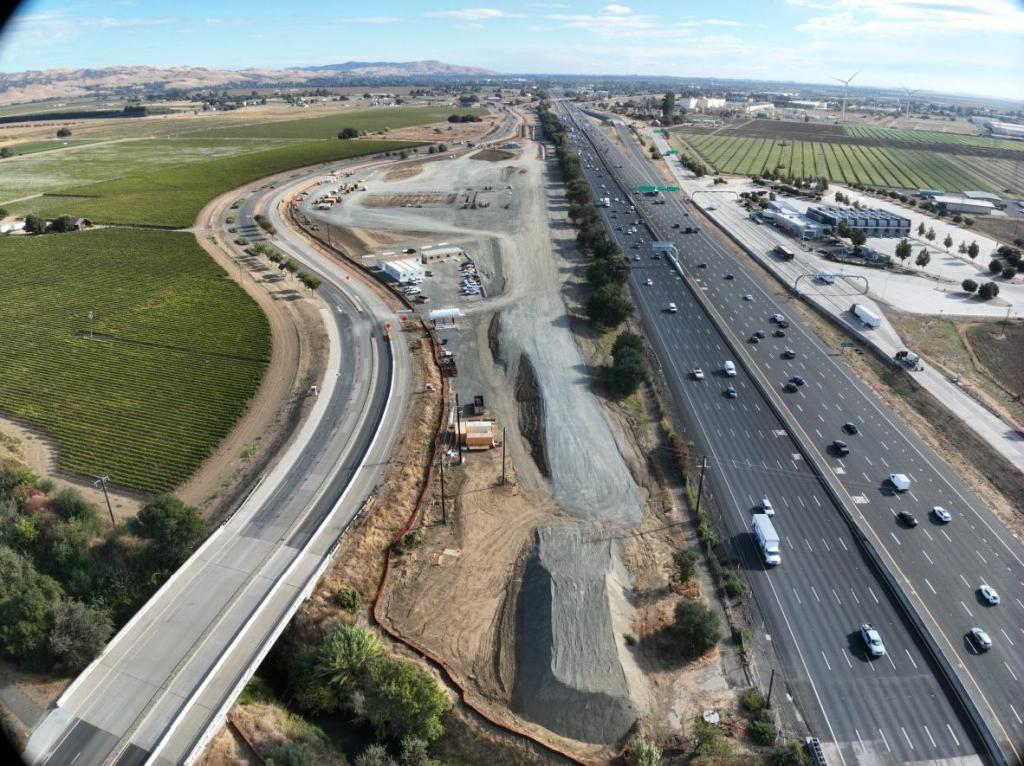
- Could high-speed rail get built more quickly? (KTLA)
- San Francisco leaders ask CPUC to reconsider allowing expanded driverless taxis (SF Chronicle)
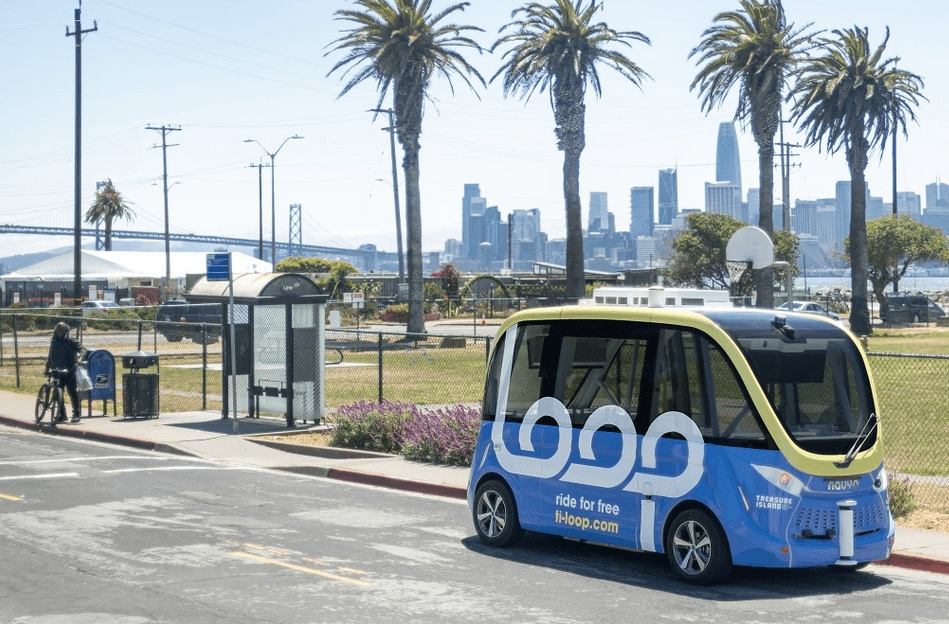
- Autonomous shuttle launches on S.F.’s Treasure Island (SF.Gov)
- From highways to healthy communities (NRDC)
- Maybe one-way streets aren’t such a good idea after all (Transfers Magazine)
- Noise – potential future noise from potential neighbors’ potential parties – is being used to oppose housing (CalMatters)
- How community aid gets to Hawaii (LA Times)
- More details on pilot carbon capture project in the Bay Area (Planetizen)
Find more California headlines at Streetsblog LA and Streetsblog SF
Streetsblog has migrated to a new comment system. New commenters can register directly in the comments section of any article. Returning commenters: your previous comments and display name have been preserved, but you'll need to reclaim your account by clicking "Forgot your password?" on the sign-in form, entering your email, and following the verification link to set a new password — this is required because passwords could not be carried over during the migration. For questions, contact tips@streetsblog.org.
More from Streetsblog California


Prop 45: What Would It Mean for San Diego
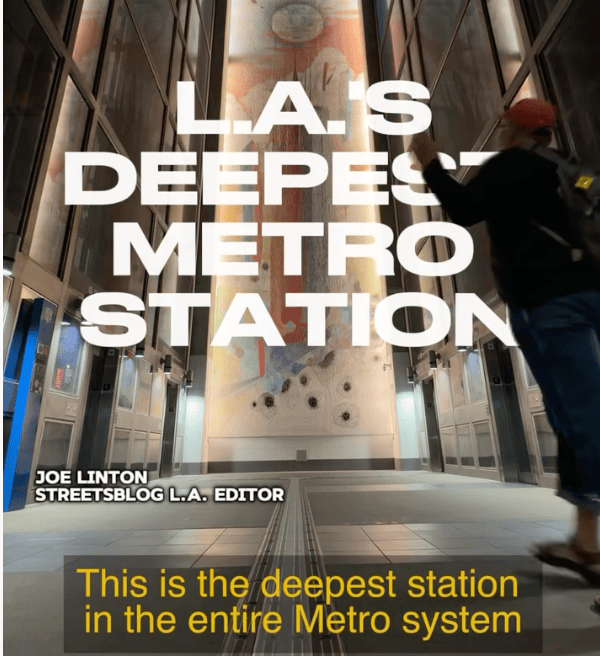
Proposition 45 promises faster project approvals, but its sweeping changes to CEQA could limit public input, weaken environmental review and fast-track highway expansions. San Diego advocates and experts weigh what the measure could mean for the region.

October 16, 2026

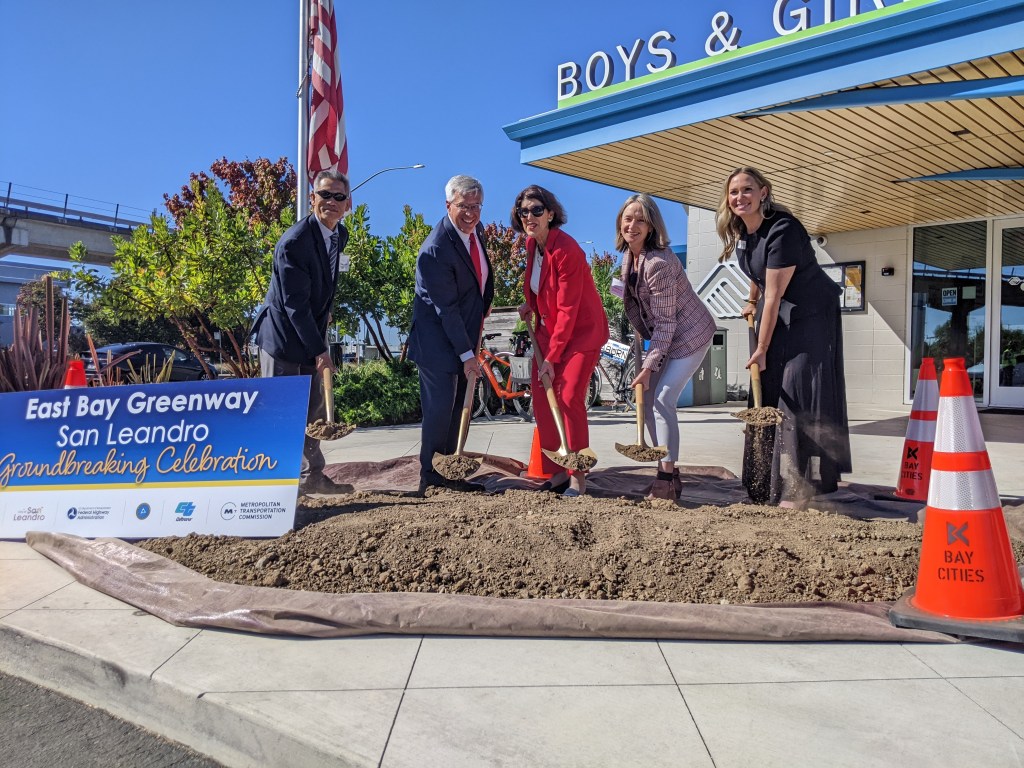
San Leandro Breaks Ground on New ‘Greenway’ Segment
Actually, it's on-street bike lanes, not a 'greenway' in this segment. And while it will be a great improvement, the intersection designs are still dangerous

October 15, 2026
Newsom Signs Bill to Better Align California Transportation Spending With Climate Goals
SB 1087 updates California’s landmark sustainable communities law, strengthening the connection between regional climate plans and transportation investments.
October 15, 2026