Podcast: Eben Weiss, aka Bike Snob NYC, on Legalizing the Idaho Stop


Streetsblog Chicago staff have been invited to do occasional audio interviews on livable streets topics for the Los Angeles-based podcast Bike Talk. Here are some recent SBC/Bike Talk collaborations:
- Oboi Reed from the mobility justice group Equiticity discusses the group’s 2021 activities, and efforts to prevent police from using zero-tolerance traffic enforcement as an excuse to conduct searches in communities of color.
- University of Illinois at Chicago professors Dr. Stacey Sutton and Dr. Nebiyou Tilahoun talk about their study of Chicago’s automated traffic enforcement program, which reaffirmed the cameras are saving lives, but identified racial and ethnic disparities in ticketing.
In a new podcast episode, I chat with Eben Weiss, aka Bike Snob NYC, the influential cycling culture blogger, Outside and Bicycling magazine columnist, and book author, about the “Idaho stop.” This phrase refers to people on bicycles treating stop signs like yield signs, and/or treating stoplights like stop signs, so called because the Gem State first legalized these moves 40 years ago. (Important: The Idaho stop does not refer to mindlessly bombing stop signs and red lights on a bike without consideration for people walking and cross traffic, which is clearly risky and obnoxious behavior.)
Click the arrow below to listen to the podcast. The Idaho stop segment begins at 19:40.
In recent decades several other U.S. states and municipalities have legalized “stop sign as yield” and/or “red light as stop.” Bike injury statistics strongly suggest that legalizing the Idaho stop helps reduce bike injuries by getting riders out of harm’s way at intersections and making it more convenient to use low-traffic side street routes instead of riding on more dangerous arterials. However, last October California governor Gavin Newsome ignored the evidence and vetoed a state bill that would have legalized stop sign as yield.
The Idaho stop has also been a hot topic in Chicago and Illinois recently. Last month after CBS Chicago weatherman Ed Curran asked on Twitter “Why do so few cyclists respect stop signs and red lights?” I posted a thread explaining why the Idaho stop is ubiquitous and logical, and should be legal everywhere.
Coincidentally, last week Illinois state rep Janet Yang Rohr’s bill to legalize stop sign as yield was almost unanimously voted down in committee.
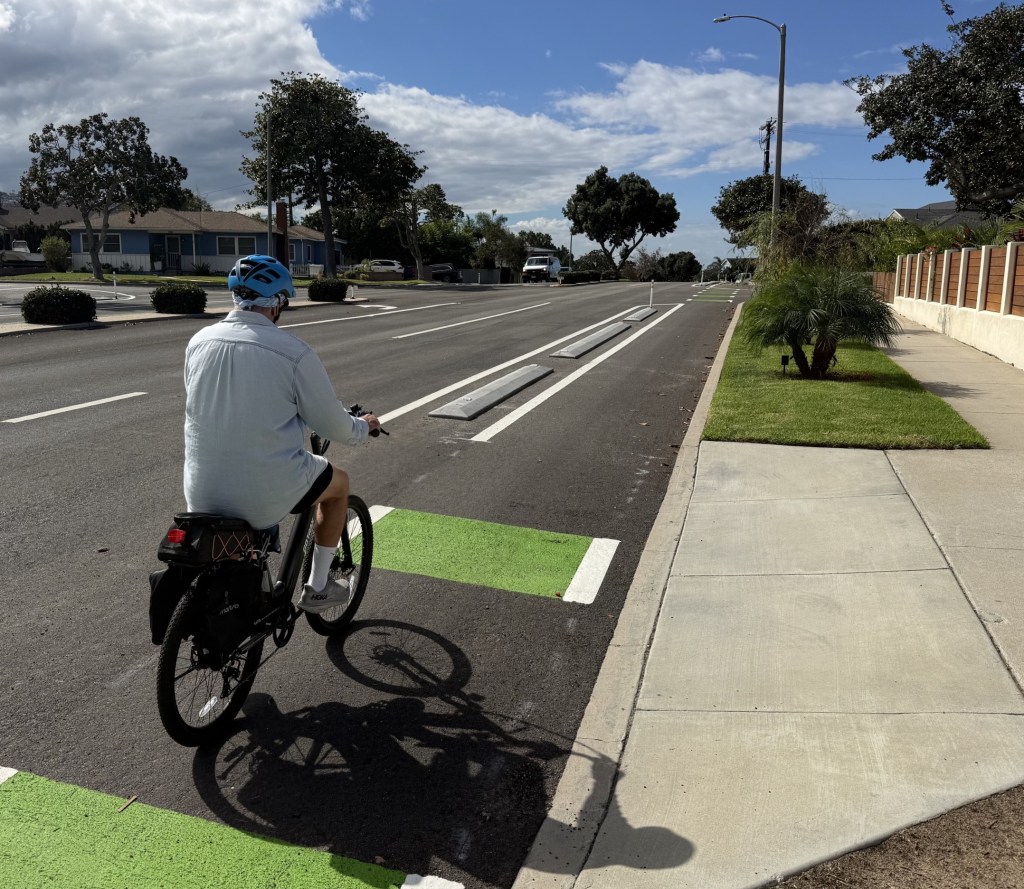
In our Bike Talk conversation, Eben Weiss and I discussed all these topics, plus Idaho stop etiquette, and why ultimately U.S. cities should be building citywide networks of connected, protected bikeways, where traffic signals are timed so logically that bike riders are safe while waiting for a green, and don’t mind doing that, and Idaho stop laws become unnecessary. That’s how things work in truly bike-friendly countries. I think you’ll enjoy listening to Bike Snob NYC hold forth on this subject.
This Bike Talk segment starts with a conversation between the sustainable transportation advocacy group Streets For All‘s founder Michael Schneider and cohost Taylor Nichols on why Los Angeles needs another safe streets nonprofit, and SFA’s campaign to force the city to implement its own mobility plan every time a street is repaved.
Streetsblog has migrated to a new comment system. New commenters can register directly in the comments section of any article. Returning commenters: your previous comments and display name have been preserved, but you'll need to reclaim your account by clicking "Forgot your password?" on the sign-in form, entering your email, and following the verification link to set a new password — this is required because passwords could not be carried over during the migration. For questions, contact tips@streetsblog.org.