Could FAA Rule Change Offer Hope to Fix SFO Transit Mess?

Note: GJEL Accident Attorneys regularly sponsors coverage on Streetsblog San Francisco and Streetsblog California. Unless noted in the story, GJEL Accident Attorneys is not consulted for the content or editorial direction of the sponsored content.
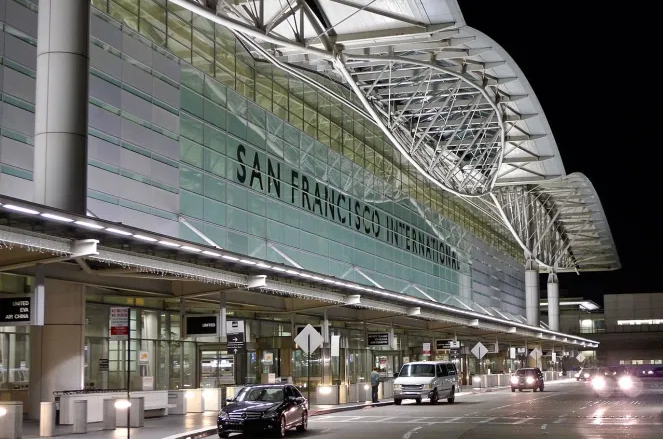
Hop on the Piccadilly Line in Central London and in 50 minutes you can debark at any of the terminals at Heathrow Airport, without changing trains. Get on BART in downtown San Francisco, and one can go directly to the perimeter of the International Terminal. Getting further into the airport requires a transfer to SFO’s “Airtrain.” That’s similar to the way things work at Oakland, New York, or many other American airports, where transfers between urban rail systems and people movers are typical.
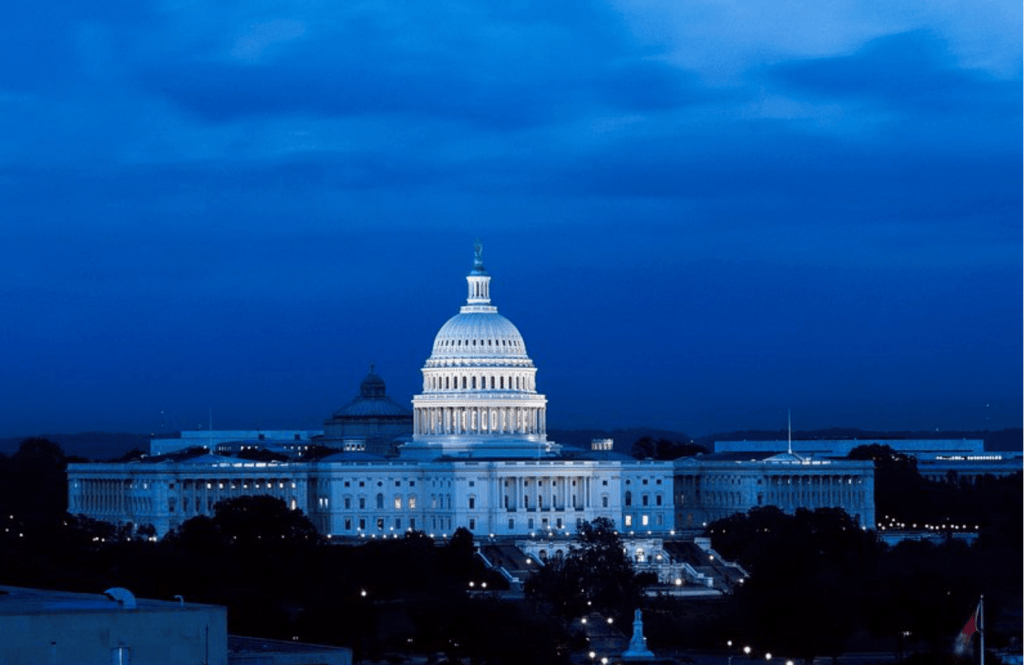
But there’s hope for American airports to start fixing that and providing one-seat rides, as explained by writer Aaron Gordon in a recent post in Vice:
On January 12, a time when most of us were distracted by other events pertaining to the federal government, the Federal Aviation Administration updated some rules that will have huge implications for how travelers access airports via public transportation, and even for public transportation systems as a whole. It is also a correction for one of my pet peeves about U.S. public transportation, that we have spent decades building trains-to-the-trains to the airport … The train itself should just go to the airport, like they do in virtually every other airport with a mass transit connection in the world.
The American airport train-to-train system exists primarily because American airports were permitted to use an FAA ticket surcharge to fund airport improvements–including highways and transit, but only if they go exclusively to the airport. Airports are banned from pooling any of those funds with larger transit projects to serve more than one function. In other words, if one wanted to expand a train line that had an airport station but the line continued beyond the airport, then airport funds can’t be included.
That rule encouraged airport officials and city bureaucrats to create fiefdoms and, voila, most American airports have this ridiculous situation where one rides transit to the edge of the airport property and then transfers from city transit to airport transit.
In San Francisco, the situation is even worse. “There is a lot more that went wrong with SFO, some of which we will have to reckon with – there’s no strategy or mechanism for addressing life-cycle capital needs for the San Mateo BART line, and Caltrain access to the airport involves one or two un-timed transfers and an extra fare,” wrote Livable City’s head and former BART Director Tom Radulovich, in an email to Streetsblog. “Intermodal connections are sub-par now, and we’ll want something much better as Caltrain evolves into a regional metro, and once high-speed rail comes along.”
And then there’s the issue of fares: as previously reported, it costs $9.65 to take BART to SFO from Montgomery. But it’s only $5.25 to go to the Millbrae Station, just outside the airport. Streetsblog got into more of these details in 2019 about why SFO’s connection went so wrong.
All of which heavily deters travelers and airport workers from taking transit. However, with the FAA rule change, now there’s a chance to fix some of it.
Perhaps the BART spur to the international terminal could continue across the center of the airport horseshoe, adding a second station at the foot of Terminal 2 (which is walkable to the other terminals). Or perhaps BART could do a single-track loop around all the terminals and then head back downtown, as the Piccadilly Line does in London.
For Caltrain and future HSR passengers, “The idea of repurposing the BART viaduct between SFO and Millbrae stations as an air train spur has been raised, as has automating the BART shuttle to increase its frequency while reducing the cost of operating it,” said Radulovich. “Millbrae station is big, and it could become more of a multi-purpose hub, with shops, and perhaps even a baggage check for passengers getting off high-speed rail and headed to a flight. Madrid’s line to Barajas airport lets you check bags at city-center, Nuevo Ministerios station, and they ride to the airport with you in a cargo train and make it onto your flight. I can attest that it works!’
Radulovich also would like high-speed rail to look at building an inter-modal station at San Bruno (where BART and Caltrain/HSR cross over each other) which he believes is how it should have been done in the first place. All BART trains would then head directly to SFO (doubling the service frequency to the airport) and the BART connection to Millbrae would be abandoned (although Caltrain would still stop there).
What do you think? With this new funding stream available, what would you do to improve the BART/Caltrain/SFO/Millbrae connections? Comment below.
Streetsblog has migrated to a new comment system. New commenters can register directly in the comments section of any article. Returning commenters: your previous comments and display name have been preserved, but you'll need to reclaim your account by clicking "Forgot your password?" on the sign-in form, entering your email, and following the verification link to set a new password — this is required because passwords could not be carried over during the migration. For questions, contact tips@streetsblog.org.