The Injustice of Highway Pollution


If the Trump administration rolls back fuel economy standards for cars and trucks, city dwellers will pay the highest price.
Asthma, pre-term births, and even childhood leukemia are linked to air pollution by roadways. And as Darin Givens at ATL Urbanist points out, air pollution in cities tracks closely with the location of highways.
The above map (borrowed from an earlier Strong Towns post) shows air pollution concentrations in Atlanta courtesy of MySidewalk. The higher the “respiratory hazard index,” the greater the likelihood of developing chronic health problems due to air pollution.
Givens says there’s a clear disparity in who enjoys the benefits of highways and who suffers the costs:
The drivers of cars and trucks might live in homes far from the highway and may suffer no negative health impacts from the pollution they help create. But city dwellers who live near the highway, and who might walk and take transit more so than they drive, are prone to pollution’s effect.
Adding to the injustice is that children — especially black children — suffer the greatest consequences. In the map of Atlanta, schools are highlighted in purple. In 2007, the Asthma and Allergy Foundation named the city its “Asthma Capital.”

More from Streetsblog California
Friday’s Headlines


ClimatePlan Offers Becerra a Roadmap for Rethinking Transportation Priorities
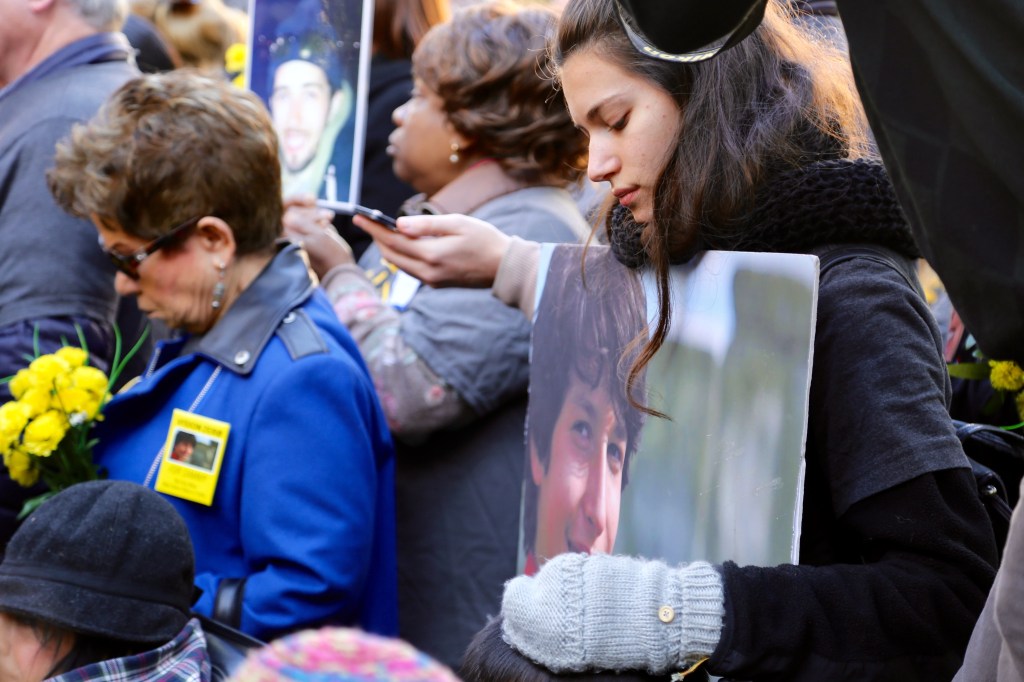
Should Support for Grieving Families Be a Bigger Part of Vision Zero?
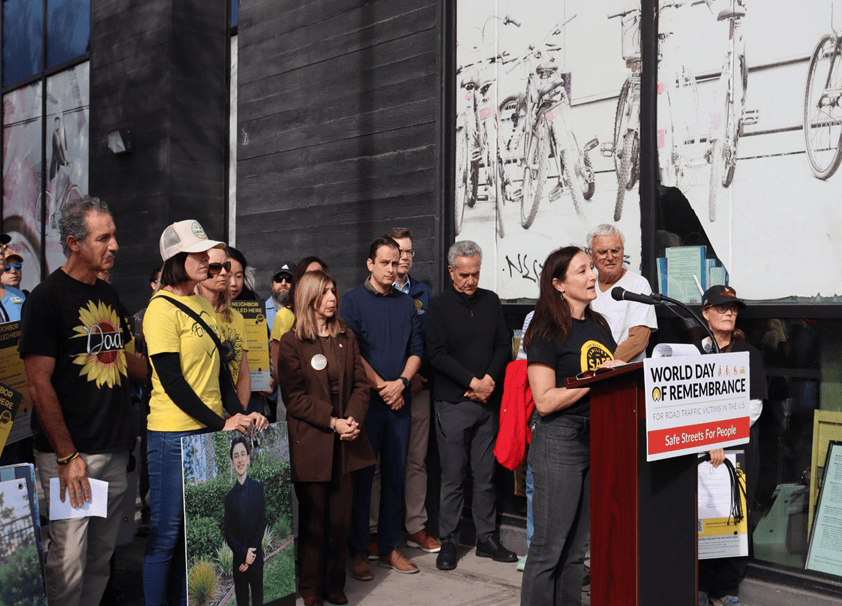
Families for Safe Streets to Honor 1,343 Traffic Violence Victims at San Diego World Day of Remembrance
Families who have lost loved ones and advocates for safer streets will gather Sunday at Grant Park to remember those killed or seriously injured in crashes and call for greater investment in traffic safety.
The post Families for Safe Streets to Honor 1,343 Traffic Violence Victims at San Diego World Day of Remembrance appeared first on Streetsblog San Diego.