The Right to Walk

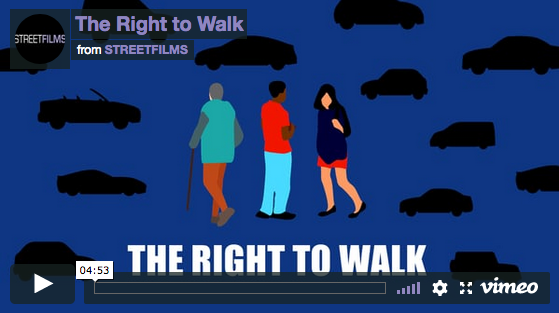
Every person has the right to walk. Choosing to move on foot — to work, school, or the market — should be safe and easy for urban residents. Yet city streets are increasingly being built for high-speed, personal vehicles, with hazardous intersections and narrow or nonexistent sidewalks. In many cities, simply getting anywhere by foot has become a dangerous: thousands of pedestrians are killed on the world’s roads each week.
The Institute for Transportation and Development Policy works around the world to ensure safety and accessibility for all road users, including the most vulnerable. Pedestrians, wheelchair users, children, and the elderly deserve the right to walk safely and comfortably to their destinations. Reshaping our cities to encourage walking is part of building a sustainable future, and avoiding the high costs to build and maintain urban highways. Building better spaces for walking saves lives, emissions, and promotes urban equity.
ITDP’s work around the world – in Mexico, China, Brazil, and across Africa – promotes the safety and priority of those on foot. It’s time to put pedestrians front and center. For more information, visit itdp.org and connect with ITDP on Facebook and Twitter.

Streetsblog has migrated to a new comment system. New commenters can register directly in the comments section of any article. Returning commenters: your previous comments and display name have been preserved, but you'll need to reclaim your account by clicking "Forgot your password?" on the sign-in form, entering your email, and following the verification link to set a new password — this is required because passwords could not be carried over during the migration. For questions, contact tips@streetsblog.org.