CA Approves $1.1 Billion in Transportation Grants, Including Zero-Emission Transit

At last week’s (December 4 and 5) meeting of the California Transportation Commission, the commission approved $1.1 billion in new funding for highway and road projects. Most of this funding was aimed at expanding zero-emission transit, improving safety on local roadways, and strengthening resilient transportation infrastructure statewide. The move builds on the governor’s “Build More, Faster — For All” agenda which focuses on building out the state’s clean(er) energy infrastructure..
“Donald Trump is asleep at the wheel on America’s infrastructure. Meanwhile, California is moving forward,” stated Govenror Gavin Newsom in a press statement, referencing federal rollbacks in these types of investment.
“We are investing in zero-emission transit, safer roadways, and resilient infrastructure. That’s what Build More, Faster is all about: good-paying jobs and investments in our communities while delivering on our world-leading climate goals. Californians won’t wait for Washington to get its act together. We’re moving forward.”
While California has tried to position itself as a leader on electric vehicle expansion, it’s been a rocky few months. In October, Newsom was forced to admit that the state did not have the money to bring back a rebate program to help people afford electric vehicles. He had promised to refund the program which had expired in 2023 after the Trump Administration ended a similar federal program.
At the time, Newsom pivoted. Instead of providing subsidies statewide, Newsom said the state would focus on building the infrastructure to make ev’s more useful and accessible, such as expanding the state’s network of ev chargers. To date, California has over 200,000 publicly accessible electric vehicle chargers with another 800,000 on private property.
Just last month, news broke that the state was ending its e-bike voucher program after spending a fraction of the funding originally set aside. The funds will go into a different rebate program for electric vehicles targeted at drivers with lower incomes, but advocates are pressing the state to restore the e-bike program.
Unlike past investments approved by the CTC which focused primarily on traditional road repair, this package includes significant support for zero-emission buses and charging infrastructure, new locomotives for regional rail, and upgrades to aging highways and bridges.
Where California’s the money going
Zero-Emission Transit
- $53 million – Metrolink Clean Locomotives
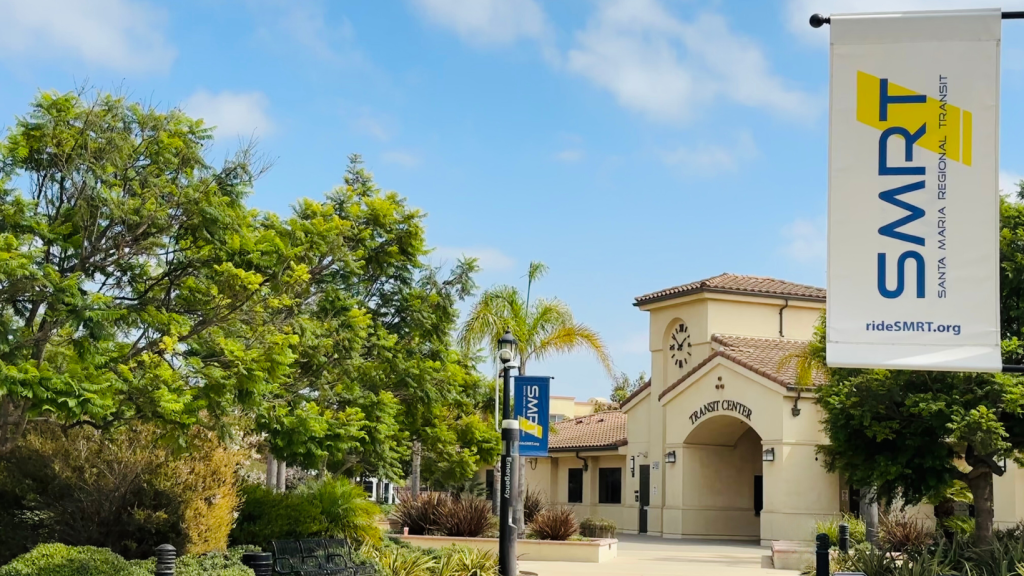
Funds 12 reduced emission (not electric) locomotives to replace aging diesel engines, cutting emissions across Southern California’s regional rail system. *** - $9.5 million – Santa Maria Mobility Center
New regional hub supporting zero-emission bus service, charging infrastructure, and improved passenger facilities.
Climate Resilience & Storm Damage Repairs
- $57 million – Highway 1 (Lucia) Slide Repairs
Restores a storm-damaged stretch of State Route 1, addressing landslide vulnerability exacerbated by severe winter weather. - Multiple Projects – Wildfire & Flood-Resistant Infrastructure
Funding allocated to harden roads, bridges, and drainage systems statewide to withstand more extreme climate conditions. This includes $13 million to restore parts of State Route 38 in San Bernardino County damaged by the El Dorado fire.
Safety & Complete Streets
- Local Pedestrian and Bike Upgrades
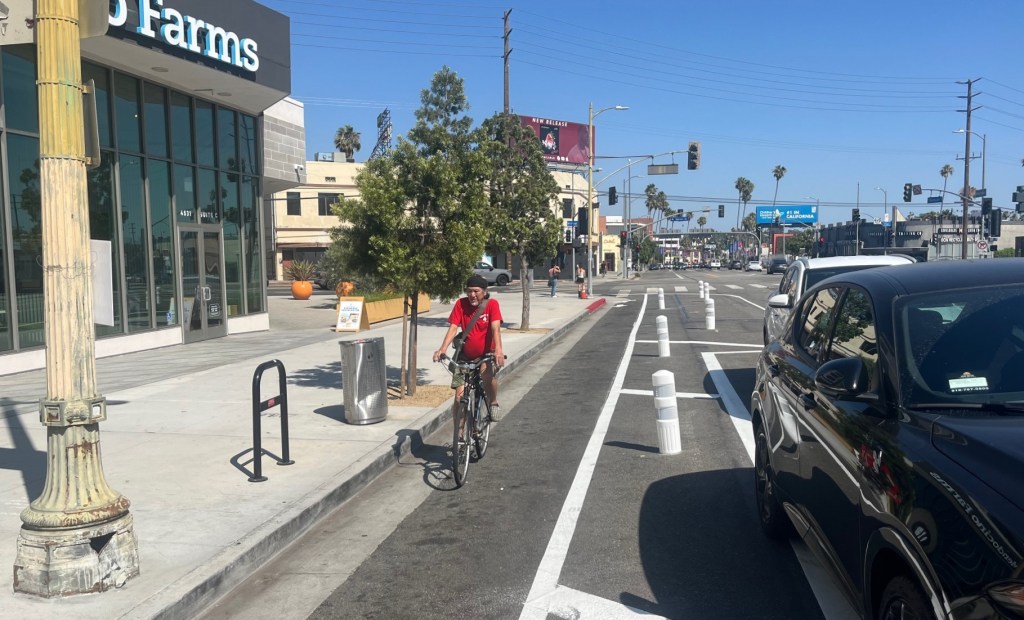
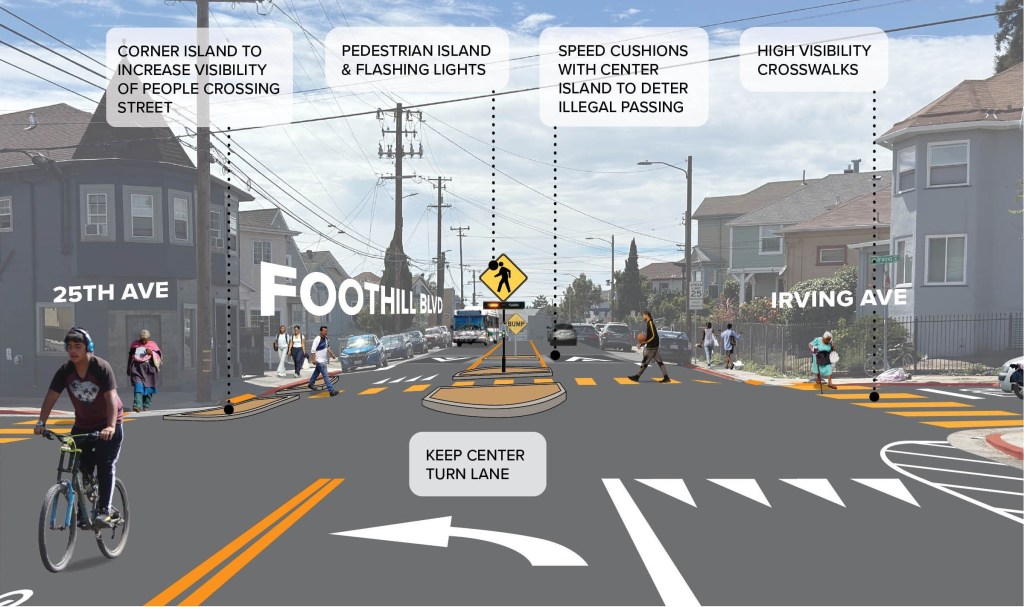
Includes crosswalk improvements, bike lane installations, safer roadway redesigns, and ADA upgrades across numerous cities. This includes $839,000 to construct bike lanes and improve sidewalks on South Avenue in Orange Cove, Fresno County. Read more about this grant in the Mid-Valley Times. - Rural Road Safety Projects
Targeted improvements in high-risk corridors, including shoulder widening, guardrails, and new traffic-calming features.
Local Road & Bridge Maintenance
- Bridge Replacements and Seismic Retrofits
Several communities receive funding to replace structurally deficient bridges and reinforce aging structures. This includes $15 million to replace the historic Seventh Street Bridge in Modesto. - City and County Road Rehabilitation
Pavement repair, resurfacing, and safety upgrades throughout California’s 58 counties.
Where did the money come from?
Funding came from a variety of federal and state programs, but the majority came from two sources the state’s Road Repair and Accountability Act of 2017 aka SB1 ($463 million), and the federal Infrastructure Investment and Jobs Act ($191 million)
***An earlier version of this article mis-identified these engines as zero emission.
Streetsblog has migrated to a new comment system. New commenters can register directly in the comments section of any article. Returning commenters: your previous comments and display name have been preserved, but you'll need to reclaim your account by clicking "Forgot your password?" on the sign-in form, entering your email, and following the verification link to set a new password — this is required because passwords could not be carried over during the migration. For questions, contact tips@streetsblog.org.