Eyes on the Prize: The Upcoming Election and Thoughts About How Far We’ve Come
In less than two weeks, San Francisco votes will be counted on arguably the most important election advocates have ever seen. If Prop. “J” succeeds, the JFK Promenade will be made permanent. If “I” wins, JFK will again become a major highway cut-through for speeding motorists and the Great Walkway, the city’s beach, will be forever dominated by cars (at least until it falls into the ocean).
When I started working as editor of Streetsblog San Francisco, nearly seven years ago, protected bike lanes barely existed; there were some short disjointed segments on Polk and along a truck route on Cargo Way in the Bayview. Certainly, it was impossible to cross the city on a bike without being continually exposed to potential collisions with often inattentive drivers of two- to six-ton vehicles.
Today I biked from the Embarcadero to the JFK Promenade, just to remind myself how much has changed.
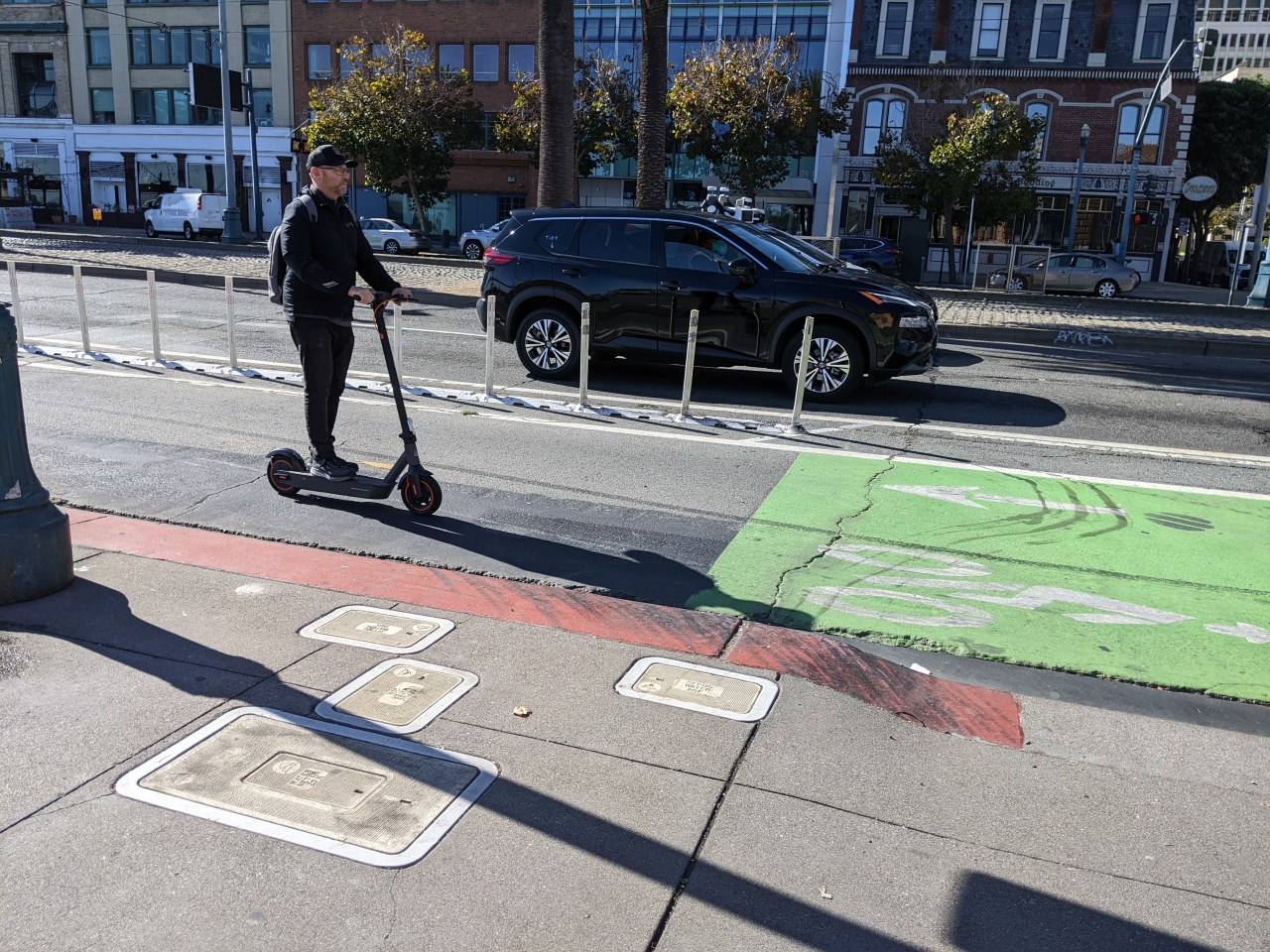
There are now protected bike lanes connecting directly from the ferry terminal to Howard and Folsom. Both of those streets now have parking-protected bike lanes on nearly their entire lengths through SoMa. From there one can jog over to (theoretically) car-free Market Street and quickly connect to the protected bike lanes on Upper Market leading into the Wiggle.
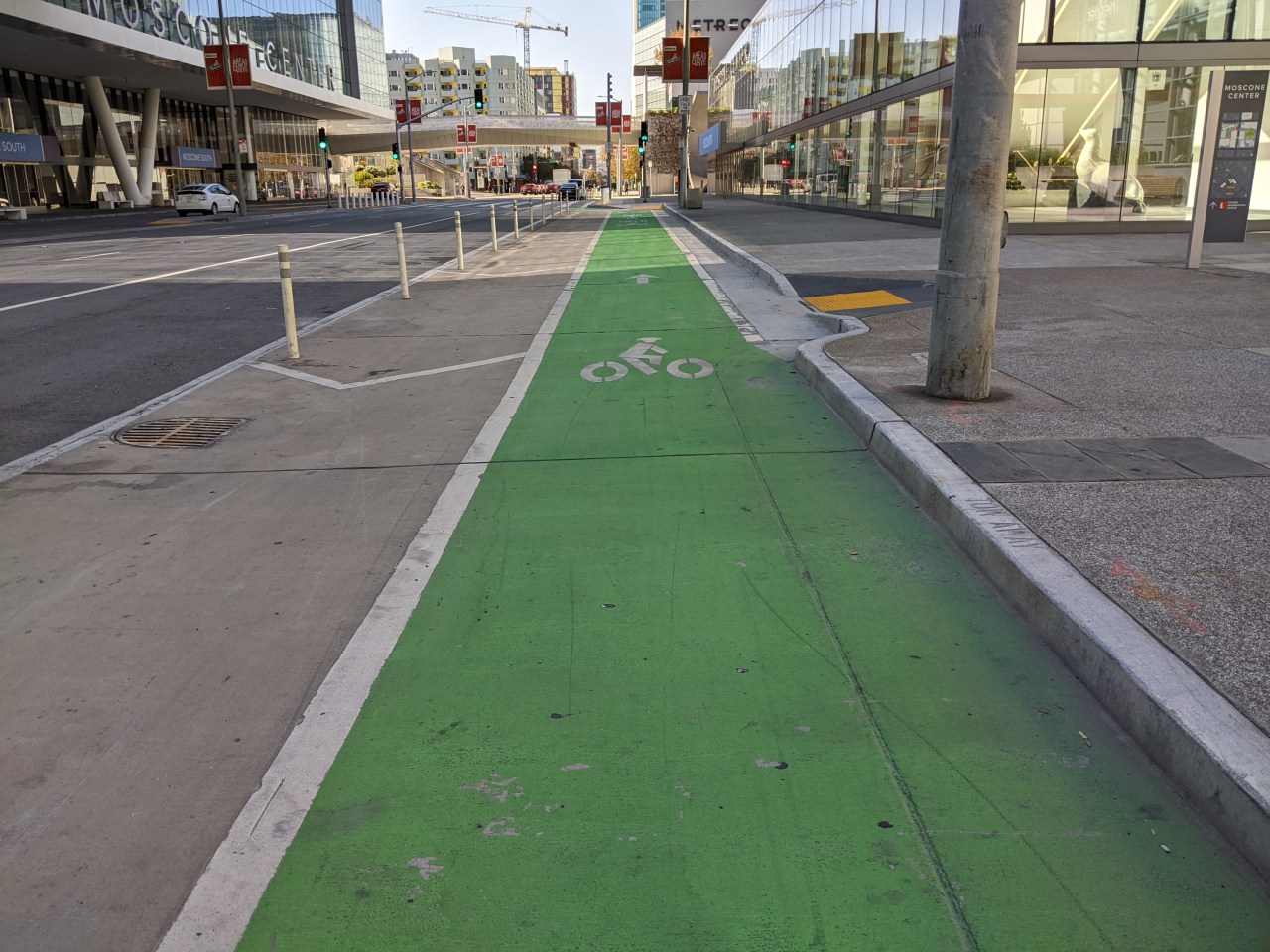
And the Wiggle, now with its raised crosswalks and other traffic calming, doesn’t feel stressful to ride on (except of course at Divisadero with its infamous ARCO station). Even the Panhandle now has a parking-protected bike lane along Fell.
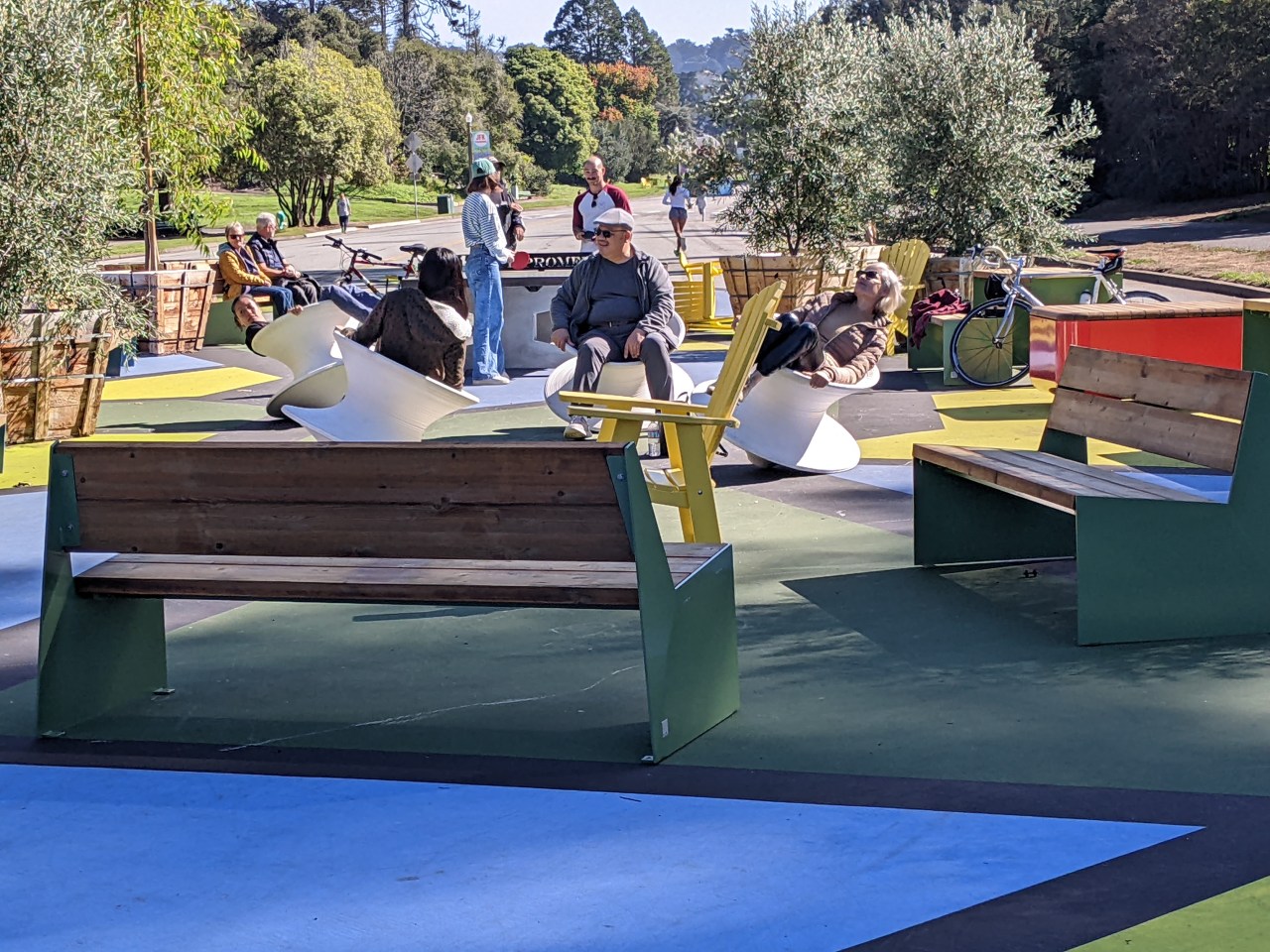
And, of course, the JFK Promenade is the jewel of an east-west ride, a haven from the city’s continual traffic noise and stress–in other words, it’s finally a park as a park should be.
It’s important to remember that this all came at a tragic cost.
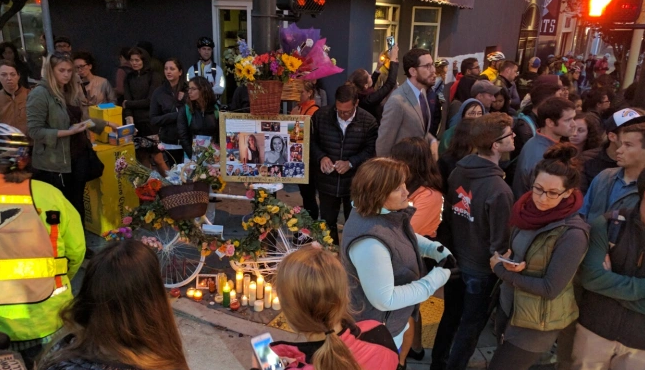
This post’s lead image is from a vigil for Kate Slattery, who was killed in June of 2016, a reminder that too many people had to die to attain this progress. In addition, it took countless hours from the SF Bicycle Coalition, coupled with leadership from outside advocates such as Matt Brezina and Maureen Persico, who put together people-protected bike lane demonstrations all over SoMa, on the Embarcadero, and elsewhere.
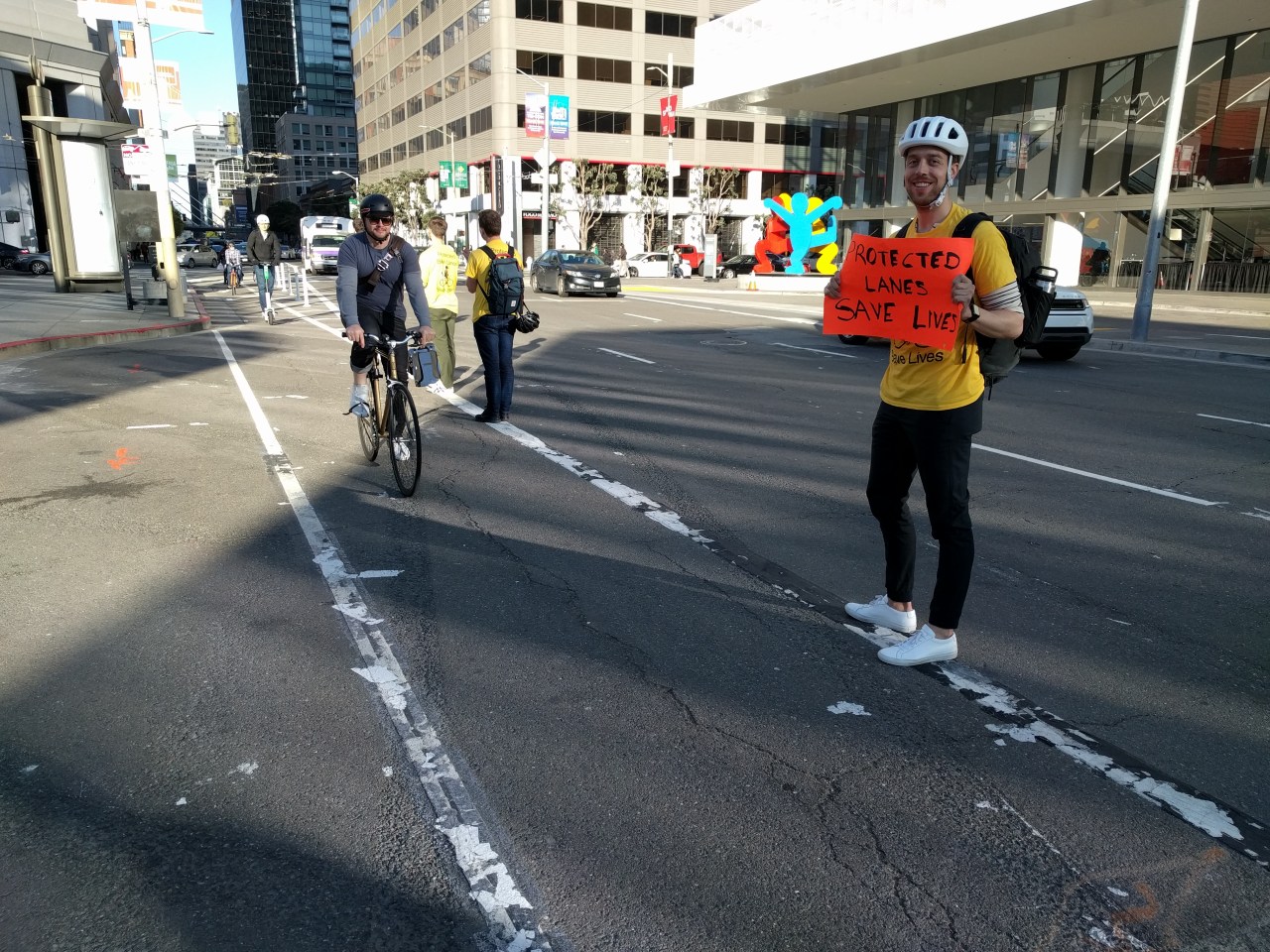
I remember going to city meetings and listening to SFMTA officials give excuse after excuse for not providing real protection for cyclists. And then, in 2019, because the city built only half a protected bike lane on Howard Street, Tess Rothstein was killed. Advocates were outraged–Rothstein was doored in a standard bike lane and propelled under the wheels of a truck near the intersection with 6th. She was in sight of the start of a protected bike lane on the next block that would have made such a tragedy impossible.
Again, officials made excuses. They gave reasons why things could not be done all at once, why things take time. But Supervisor Matt Haney wasn’t having it. He said a much more polite version of “it’s time to stop making excuses and just fucking do it.”
Within days Howard was getting its protected lane extended. Folsom followed. And eventually the Embarcadero.
Of course, there’s still much work to do–we’re now hearing SFMTA officials make the same lame excuses about Valencia, as they offer up their previously rejected, ridiculous, and dangerous center-running “compromise” with merchants. And many other districts of San Francisco continue to be a dangerous shit show. Two pedestrians were just hit–one died–in the Sunset District.
Even the parking-protected bike lanes on Howard and Folsom are still flawed. Most of the intersections are absolute garbage, inviting a future tragedy. SFMTA is also still using too much “vertical paint,” also known as “soft-hit posts.”
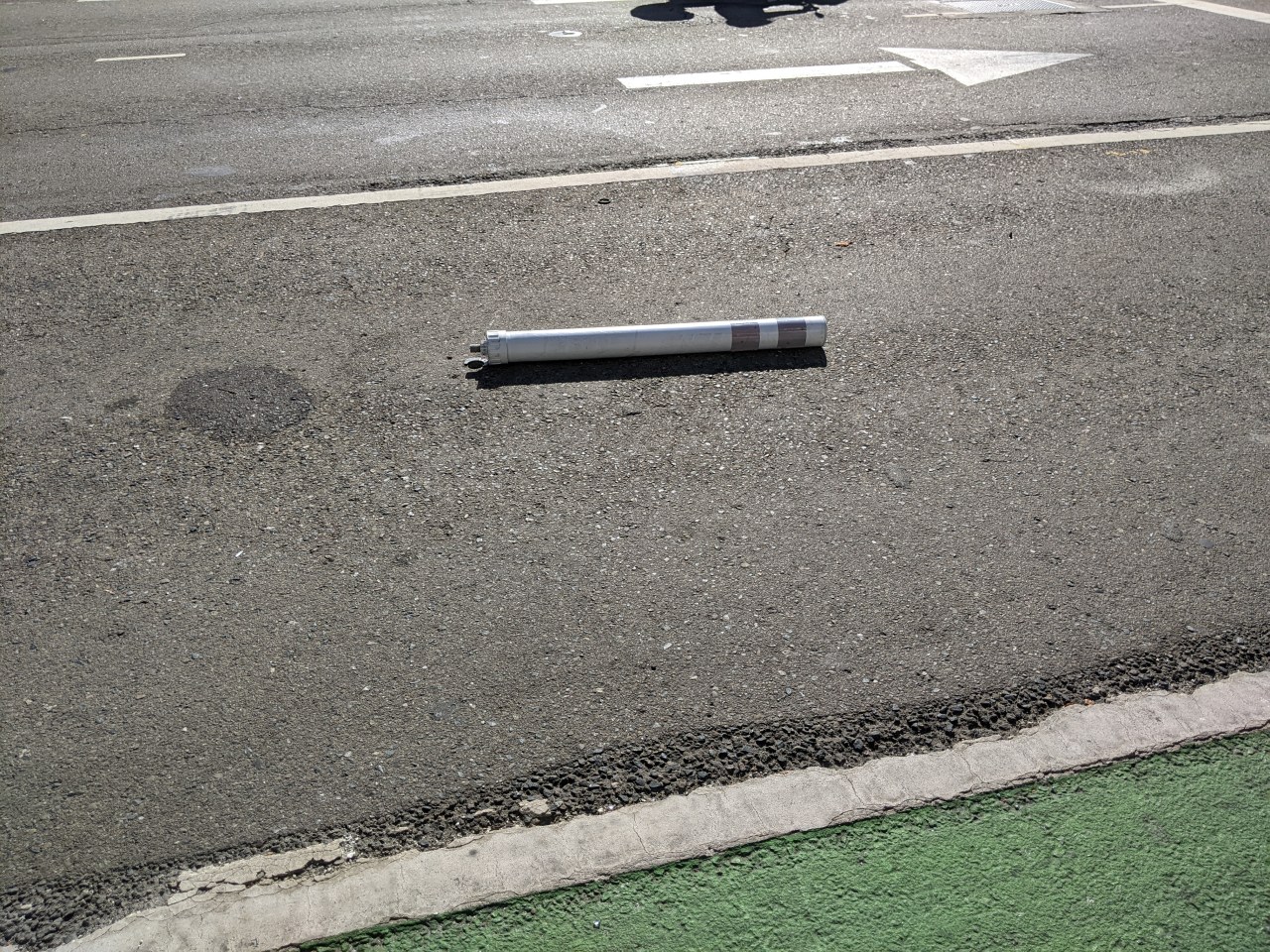
But the lesson of all the tangible and real progress is this: bureaucrats and politicians will almost always find reasons why they can’t make streets safe. It’s always a lie.
It takes leadership, like Matt Haney, Jane Kim before him, and Scott Wiener, to get past the excuses. It takes ferocious, unending, exhausting advocacy–including direct action such as standing in the street. It means never accepting compromises on safety.
And it takes guts.
Remember, get your ballot in the mail. Yes on J. No on I. Yes on N
Streetsblog has migrated to a new comment system. New commenters can register directly in the comments section of any article. Returning commenters: your previous comments and display name have been preserved, but you'll need to reclaim your account by clicking "Forgot your password?" on the sign-in form, entering your email, and following the verification link to set a new password — this is required because passwords could not be carried over during the migration. For questions, contact tips@streetsblog.org.