Bill That Would Have Crushed Bike and Scooter-Share Amended

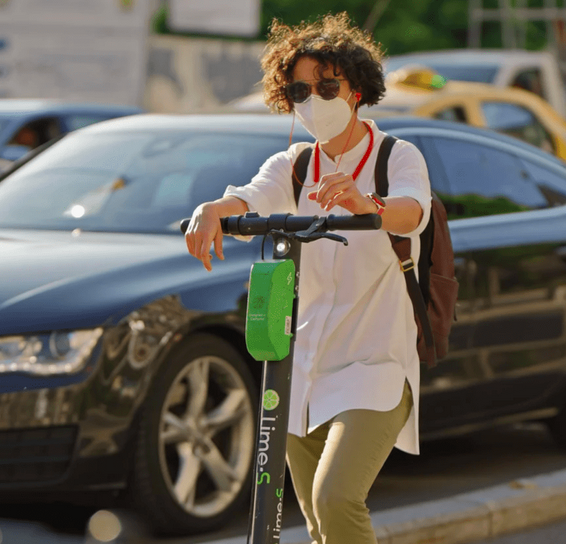
California has amended a bill that would have made it illegal for e-scooter and e-bike rental companies to require their riders to sign liability waivers, but wouldn’t have applied the same standard to rental car companies — a move that functionally saves the entire micromobility industry in the Golden State.
After languishing in a state Senate committee for over a year, Assembly Bill 1286 was rushed to a full Senate vote last week amidst news that two class action lawsuits had been leveled against scooter giants Bird and Lime that alleged the companies had failed to keep their vehicles in safe working order. If passed, the controversial bill would have drastically widened the field of possible future lawsuits against scooter and bikeshare organizations, making transportation providers automatically liable for virtually any crash involving one of its riders, rather than just those crashes where the company had exercised gross negligence.

Much like micromobility companies, rental car and e-taxi outfits routinely require their customers to sign waivers legally acknowledging that they understand the inherent risks of traveling on dangerous U.S. roadways — and they would have still been allowed to do so if AB 1286 passed.
A coalition of corporations and safe streets advocates (including Streetsblog) were swift to condemn California lawmakers for attempting to apply a clear double standard to sustainable transportation modes that would not apply to drivers — especially because without required user liability waivers, micromobility companies would be functionally ineligible for the insurance that cities require them to carry.
Now that the worst part of the bill is dead, companies say they can refocus on meeting the urgent transportation needs of Californians — especially those who have turned to the mode to help mitigate their risk of contracting COVID-19 on mass transit.
“As COVID is prompting many Californians to rethink how they get around, this change is a powerful acknowledgement that shared bikes and scooters are here to stay in our cities,” said Sam Sadle, senior director for government relations at Lime. “We look forward to continuing to work with cities and the state to encourage open-air, socially-distanced, and sustainable transportation options going forward.”
Micromobility companies like Lime didn’t get everything on their wishlists. If passed, AB 1286 would still require transportation providers to hold at least $1 million in liability insurance for each occurrence for bodily injury or property damage, an amount that could double the costs of insurance for many companies.
But the swift defeat of the worst elements of AB 1286 is still impressive — and demonstrates how safe streets advocates and micromobility corporations can work together to quickly and effectively defeat powerful interests and protect the future of sustainable travel. For their next trick, perhaps lawmakers can dismantle the double standards that privilege the comfort of drivers over the safety of everyone else on the road?
Streetsblog has migrated to a new comment system. New commenters can register directly in the comments section of any article. Returning commenters: your previous comments and display name have been preserved, but you'll need to reclaim your account by clicking "Forgot your password?" on the sign-in form, entering your email, and following the verification link to set a new password — this is required because passwords could not be carried over during the migration. For questions, contact tips@streetsblog.org.