Shared Motor-Scooters Coming to D.C.

Washington D.C. is poised to become the latest city to fight gridlock with mopeds.
The District Department of Transportation is launching a four-month pilot program to invite shared motor-scooters to zip through the city, officials announced last week.
The agency will limit the number of motor-driven vehicles to 400 per company over the four-month period, and companies must submit monthly safety and operation reports. Residents can still operate their own “motor driven cycles,” which are registered like motorcycles — but scooter share could make such vehicles more popular.
“This demonstration period will allow the District to evaluate how mopeds will fit in our transportation network,” DDOT Director Jeff Marootian said in a release. “This is another opportunity for us to reduce dependence on single occupancy vehicles and expand the sustainable transportation options we offer to residents and visitors.” (Final guidelines for would-be scooter companies will be announced on Monday; it is currently unclear if the scooters will be required to be electric.)
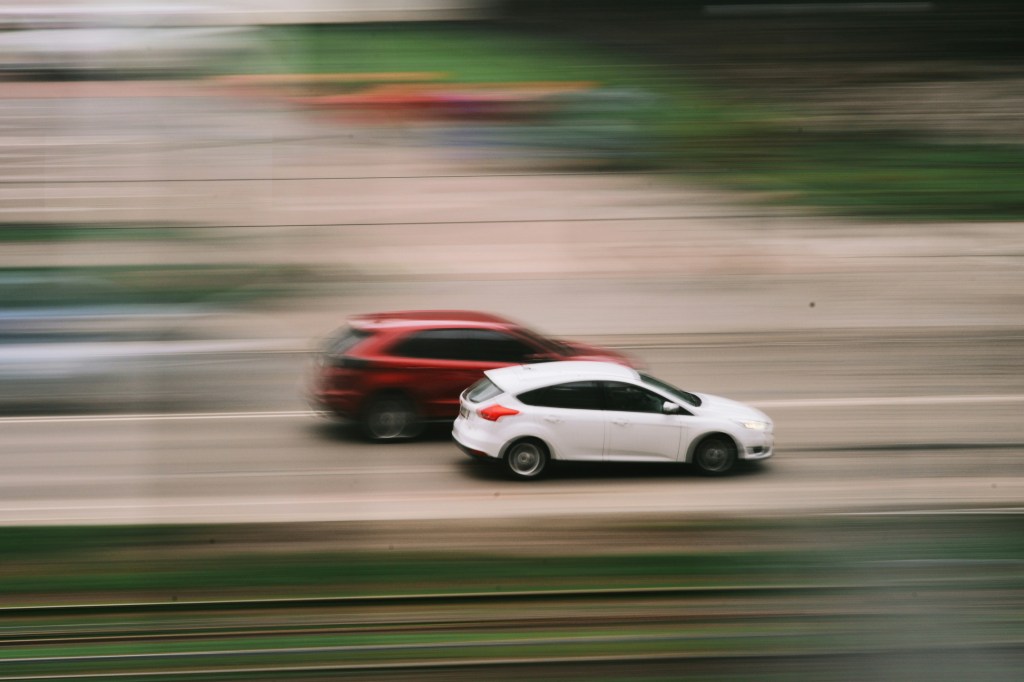
With top speeds of 30 miles per hour, shared motor scooters could solve one D.C. problem — congestion — boosters say.
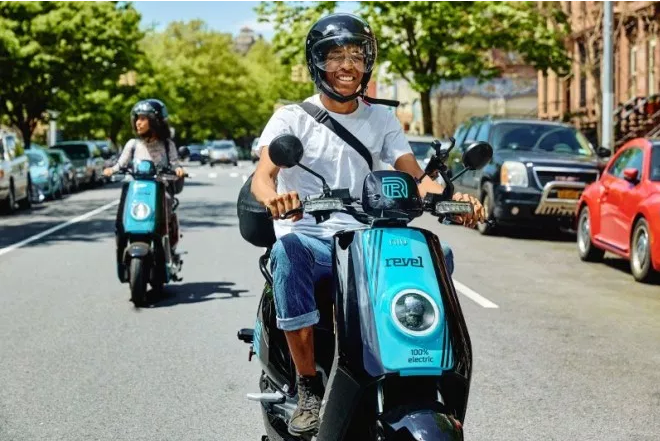
“Five of them fit in the spot of one car,” said Matt Miller, a spokesman for Revel, which recently expanded to about 1,000 shared mopeds in Brooklyn and Queens. The company’s CEO and co-founder Frank Reig added that he believes shared scooters could “provide a reliable and convenient way to help people get where they need to go while also supporting local jobs.”
Another company, the Europe-based Muving, has expressed interest in scooting into what could be a crowded market.
Washington lags in multimodal transit as traffic clogs its streets and its subway system endures long-term construction delays while its ridership sinks. The city did not introduce electric dockless bikes and electric scooters until 2017 — and now there are approximately 5,000 on the streets. Twelve more bike and scooter companies are seeking new permits from the city, which could raise the number of those vehicles to 16,800 by the end of 2019.
Electric mopeds — which aren’t mopeds at all because they lack pedals, and are more similar to Vespas — may be catering to D.C. residents looking for a faster way to get from Georgetown to Shaw, but are fundamentally different from e-scooters and e-bikes.
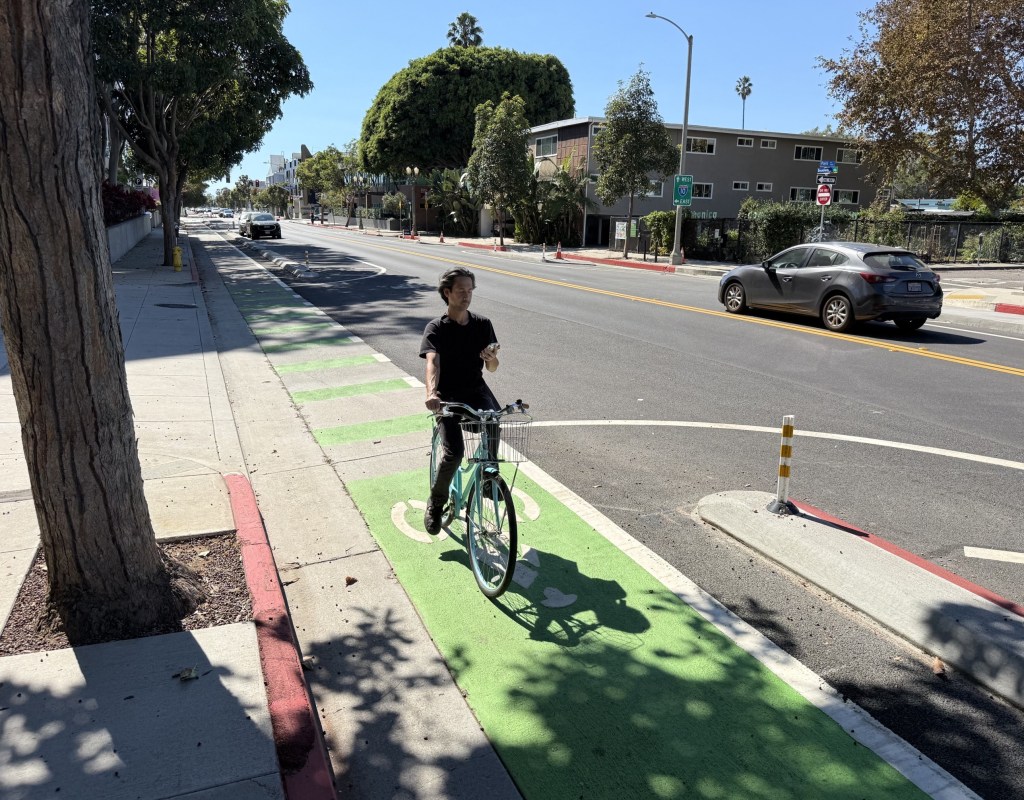
First of all, mopeds will have specific traffic laws: Drivers must wear a helmet, have a driver’s license, and stay off the sidewalks, bike lanes, and highways.
The cost of a shared motor-scooter ride will likely be similar to other shared systems. E-scooters such as those offered by Bird, cost roughly $1 to unlock and 25 cents per minute to ride. Revel has the same price structure, plus a one-time $19 license check fee. Muving offers many pricing packages, with per minute costs that drop with bulk purchases.
It’s unclear whether moped users would be constrained to D.C. and not able to ride into nearby Northern Virginia or Maryland suburbs. A DDOT spokeswoman said terms of the permit would be online in the coming days. Revel’s New York riders have been constrained to Brooklyn and Queens.
Drivers will likely be frustrated with another alternative transit mode taking space on city streets that drivers believe is theirs alone — but, of course, couched it in a false concern for the new road users.
“We are concerned about the dangers facing riders and other road users, including pedestrians and cyclists, on the street of Washington, D.C.,” AAA Mid-Atlantic John Townsend spokesman said in a statement. He claimed that “research shows” that mopeds have higher injury rates than walking, cycling or traveling by car — though dozens of D.C. residents are killed by motorists every year.
The DDOT said it would monitor how the shared motor scooters flow with motor vehicles, bikes, and other forms of traffic.
Streetsblog has migrated to a new comment system. New commenters can register directly in the comments section of any article. Returning commenters: your previous comments and display name have been preserved, but you'll need to reclaim your account by clicking "Forgot your password?" on the sign-in form, entering your email, and following the verification link to set a new password — this is required because passwords could not be carried over during the migration. For questions, contact tips@streetsblog.org.