Chambers of Commerce Come Around to Transit

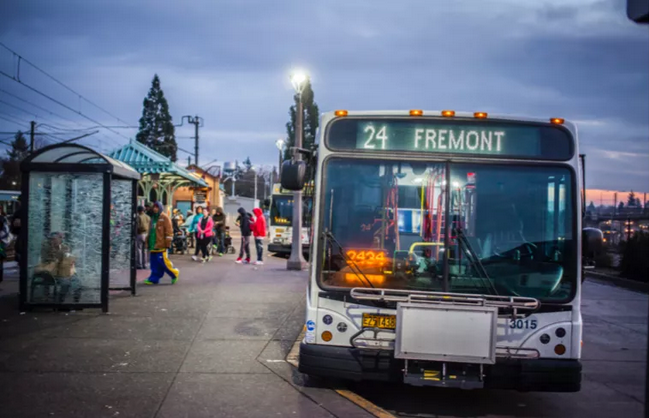
City chambers of commerces in 15 states announced Tuesday they will form a national coalition to call for more government investment in public transportation, a move that is increasingly at odds with the U.S. Chamber of Commerce’s conservative leanings.
Local chamber leaders in Atlanta, Salt Lake City, Dallas, Seattle, Indianapolis, Denver, Nashville, and other cities are forming Chambers for Transit to encourage Congress and the Trump administration to prioritize public transit in federal transportation policy next year.
“Local business leaders are clamoring for investment in public transportation because they see it as a key strategy for attracting a talented workforce and improving access to jobs to help their economies thrive,” said Transportation for America Director Beth Osborne, who organized the geographically diverse coalition.

That might seem incongruous with the U.S. Chamber’s reputation of opposing sustainability, including its vocal anti-climate change agenda and work fighting antismoking measures throughout the world.
Yet the U.S. Chamber’s influence has floundered under its CEO Thomas Donahue, who has been effectively “shut out” by the Trump administration for opposing Trump’s global trade war last year.
And individual chapters don’t always adhere to the national association’s policy agenda, especially when it could have a deleterious effect on small business growth locally.
That’s led city business association leaders to lobby the federal government for their own economic development priorities, which increasingly involve better access to mass transit.
Nashville Chamber of Commerce leaders are trying to revise and revive a federally funded transit proposal after voters rejected a transit referendum last year.
And Atlanta business leaders say that transit must be expanded to improve access to jobs and economic mobility while reducing congestion in the region.
“Our roads are congested today, and we’re going to add over 2.5 million people in the next 20 years, mostly in our existing suburbs,” said Dave Williams of the Metro Atlanta Chamber of Commerce. “We have to provide our residents with more transportation options to access employment centers, healthcare, education and other community institutions.”

Streetsblog has migrated to a new comment system. New commenters can register directly in the comments section of any article. Returning commenters: your previous comments and display name have been preserved, but you'll need to reclaim your account by clicking "Forgot your password?" on the sign-in form, entering your email, and following the verification link to set a new password — this is required because passwords could not be carried over during the migration. For questions, contact tips@streetsblog.org.