We Can’t Stop Global Warming Without Reducing Driving

Electric vehicles aren’t going to cut it, emissions-wise. That’s one alarming finding in a new report from Intergovernmental Panel on Climate Change.
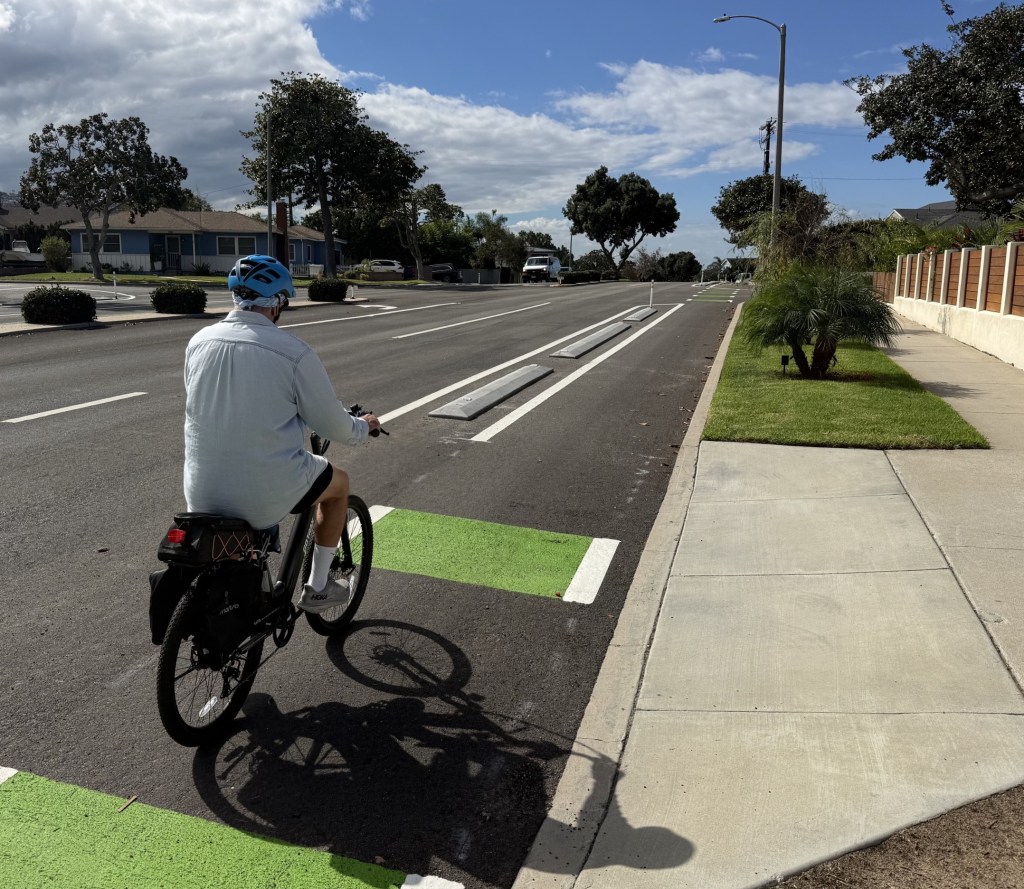
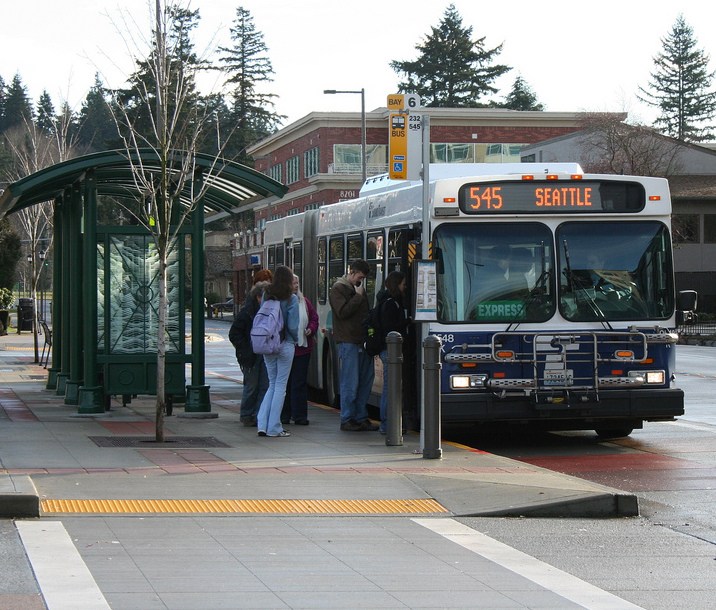
The estimates vary. But one important finding estimates [PDF, page 65] that about 20 percent of emission reductions needed to limit temperature rise need to come from trips avoided or trips shifted — from cars to trains, buses and bikes.

Meredith Hankins, an environmental law fellow at UCLA notes in an article for Legal Planet that this has been soft-pedaled in discussions about decarbonizing the transportation sector.
But as transport emissions make up a greater and greater portion of overall emissions, it’s time we started discussing our strategy for reducing driving miles more seriously and openly, she says.
How do we ensure the owner of that non-zero emission vehicle that’s going to be on the road for the next decade can afford to live close enough to their workplace to make commuting by car an option, rather than a requirement? How do we provide safe, convenient, and affordable low or zero-carbon modes of transport like public transit, walking, biking, and scooting to get that non-ZEV owner to and from their child’s school? To the grocery store, the library, the movies? How do we retrofit our cities to create dense, walkable, transit-oriented neighborhoods where residents don’t need to own cars at all? Can we do any of this in an equitable way that avoids displacement? Can public transit systems be designed to get middle class drivers out of SUVs while still fulfilling their social service need to help a city’s most vulnerable populations? Should they be?
There are no easy, cookie-cutter answers to these questions. Decisions about land use, housing, and transportation require difficult choices and a lot of political will by a lot of different levels of government.
There still aren’t very many public agencies that have made reducing vehicle miles traveled a policy priority. Minneapolis deserves especial credit for its newest comprehensive plan, which proposes an 80 percent reduction in transport emissions by 2050. In order to meet that goal, the city estimates it needs to reduce driving miles by 40 percent. The city has proposed reducing the number of parking spaces required, increasing the walkability of neighborhoods by allowing more dense housing and even banning new gas stations within city limits in service of that goal.
At the state level, California has been perhaps the boldest with policies aimed at limiting driving miles — however so far they have not had much success. Driving miles have escalated in recent years. Here’s what the California Air Resources Board has proposed:
- Quadrupling the number of trips made by walking
- Limiting urban growth boundaries
- Instituting congestion pricing, parking pricing
- Prioritizing transit, walking and biking projects for state infrastructure funding
Patrick Sisson at Curbed pointed out recently that some studies have estimated that large global cities could cut their emissions by a third based on improvements in housing density alone.
We have to start talking about these solutions and making them part of mainstream environmental policy, Hankins says. Time is running out.
“We can’t afford to ignore significant climate mitigation measures just because they are politically difficult,” she writes.

Streetsblog has migrated to a new comment system. New commenters can register directly in the comments section of any article. Returning commenters: your previous comments and display name have been preserved, but you'll need to reclaim your account by clicking "Forgot your password?" on the sign-in form, entering your email, and following the verification link to set a new password — this is required because passwords could not be carried over during the migration. For questions, contact tips@streetsblog.org.