Oregon DOT Challenges Drivers to Avoid Using Their Phones Behind the Wheel

Distracted driving is the new drunk driving. Cell phone use while driving is ubiquitous, according to data collected by Zendrive. Is it any wonder that traffic fatalities are on the rise?
Technology exists to lock mobile devices while the user is driving, but the federal government won’t mandate its use. Failing meaningful national regulations, states can step up and go beyond PSAs that have proven largely ineffectual.
Jonathan Maus at Bike Portland reports on how Oregon DOT is using “gamification” to cut down on driver distraction:
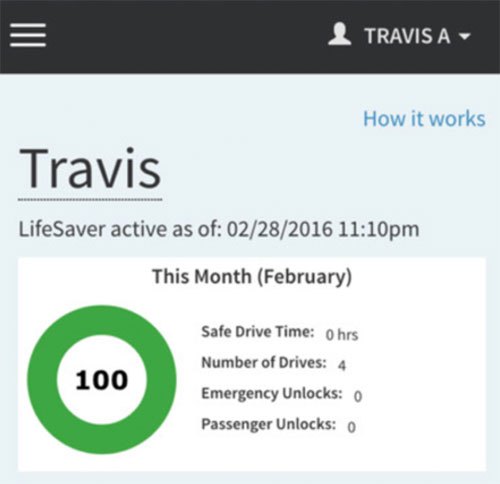
Their latest effort will rely on friendly competition. Drive Healthy is the name of an initiative announced today that will pit individuals and organizations against each other to see who can be the safest driver. Similar to the Bike Commute Challenge, people will sign up online and have their results tracked via the Livesaver app and results will be posted on a public leaderboard. Once downloaded, the app runs in the background and automatically locks your phone when you drive (see screenshot at right). The fewer times you unlock the phone, the more points you get. The only functions available while driving are “Emergency Call” and “Passenger Unlock.”
…
Oregon was inspired by a similar effort in Boston, where they say a safe driver competition resulted in a 47 percent decline in distracted driving.
Oregon’s competition is also open to fleet vehicles, so we could see a competition between FedEx and UPS drivers if they were to sign up.
On its own, Oregon DOT’s voluntary app may not have a big impact on distracted driving rates among all drivers in the state. But popularizing this type of technology matters. It might lead to other incentives, like lower insurance rates for people who can prove they don’t drive distracted, that could save lives.
More recommended reading today: Urban Milwaukee reports on how local aldermen are trying to shape the city’s bus rapid transit plans. And Bipedally posts a cartoon that puts “distracted walking” concerns in perspective.

Streetsblog has migrated to a new comment system. New commenters can register directly in the comments section of any article. Returning commenters: your previous comments and display name have been preserved, but you'll need to reclaim your account by clicking "Forgot your password?" on the sign-in form, entering your email, and following the verification link to set a new password — this is required because passwords could not be carried over during the migration. For questions, contact tips@streetsblog.org.