Priced Lanes Can Move Everyone Faster — Even People Who Don’t Pay


Remember the uproar over the HOT lanes on I-405 outside Seattle? Republicans in the state senate fired transportation commissioner Lynn Petersen to register their displeasure with priced roads. The political furor isn’t over. Bill Bryant, a GOP candidate for governor, continues to use the HOT lanes as a wedge issue against incumbent Democrat Jay Inslee.
Look at the actual effect of the tolls, however, and the complaints seem like so much hot air. Josh Feit at PubliCola reports the tolls are reducing traffic even for people who opt not to pay:
Despite the noise, the latest data (such as measuring traffic speeds) shows that I-405 tolling has actually improved traffic conditions and commutes. What’s more: the surveys show that people are pleased with the program. (By the way, earlier data, available during last session’s attack on Peterson, found similar results.)
A presentation on the I-405 tolling program put together by WSDOT this week documents the following:
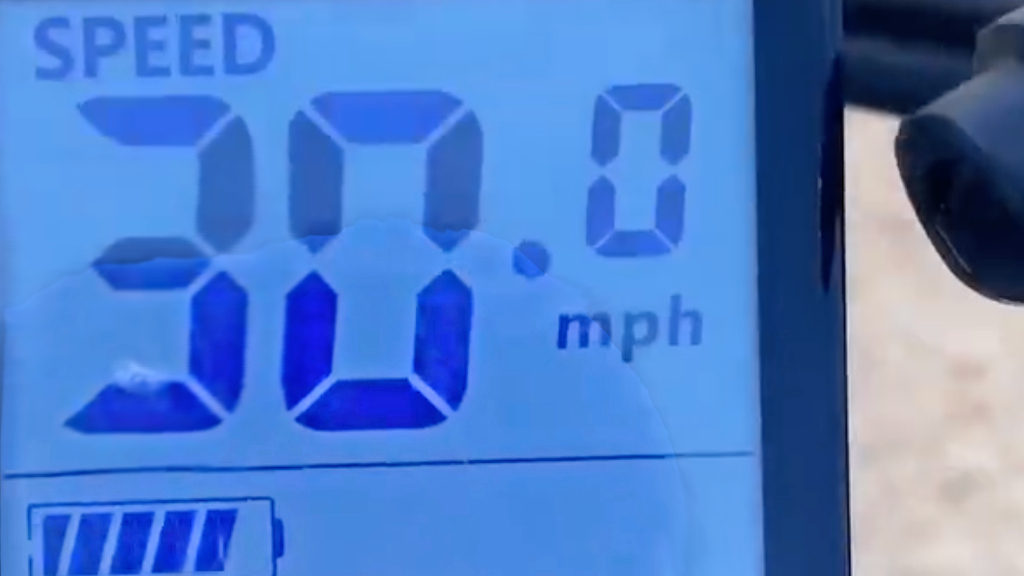
Compared to last year, both during the morning and evening rush, traffic is moving faster in the general purpose lanes on I-405; specifically, traffic is moving four minutes faster between Bellevue and Bothell and two minutes faster between Bothell and Lynnwood in the AM and six minutes faster between Bellevue and Bothell in the PM. One outlier: traffic is three minutes slower between Bothell and Lynnwood in the evening; though, overall, the travel times in the general purpose lanes have improved with average speed going from 28 mph to 32 and 34 mph in the north and south bound lanes respectively.
Sounds like Washington lawmakers ought to put a stop to this right away, before things get any better.
Elsewhere on the Network today: Systemic Failure considers whether removing seats might make for better transit. And following Portland’s approval of an unusual city-only gas tax, Bike Portland looks back at the city’s 10-year struggle to secure infrastructure funding.

Streetsblog has migrated to a new comment system. New commenters can register directly in the comments section of any article. Returning commenters: your previous comments and display name have been preserved, but you'll need to reclaim your account by clicking "Forgot your password?" on the sign-in form, entering your email, and following the verification link to set a new password — this is required because passwords could not be carried over during the migration. For questions, contact tips@streetsblog.org.