Conference: Parklets Key to Rolling Back Motordom’s Takeover of the Streets
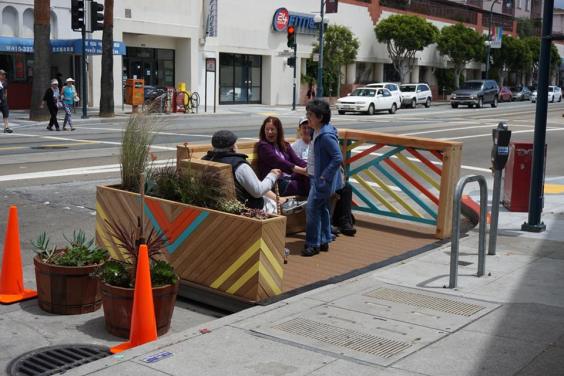
“Dream before you think” was a theme of the keynote and opening sessions of the International Parklet Symposium, held this week in San Francisco at the Center for Architecture + Design. The conference speakers talked about how parklets were dreamed up as a way to return a portion of our streets to something more akin to their original use.
“Throughout history streets were just where life unfolded. Transportation and movement were just part of it. Just one priority,” said Blaine Merker of Rebar, an artist collaborative best known for instigating Park(ing) Day, and one of the keynote speakers. Streets were used by vendors, for social occasions, and for play, he explained. But in the early 20th Century, the introduction of the motor car quickly took over streets for a single purpose. “The entrance of fast-moving machines into this environment was shocking to people. It didn’t seem normal. It was outrageous in the Nineteen-teens.”
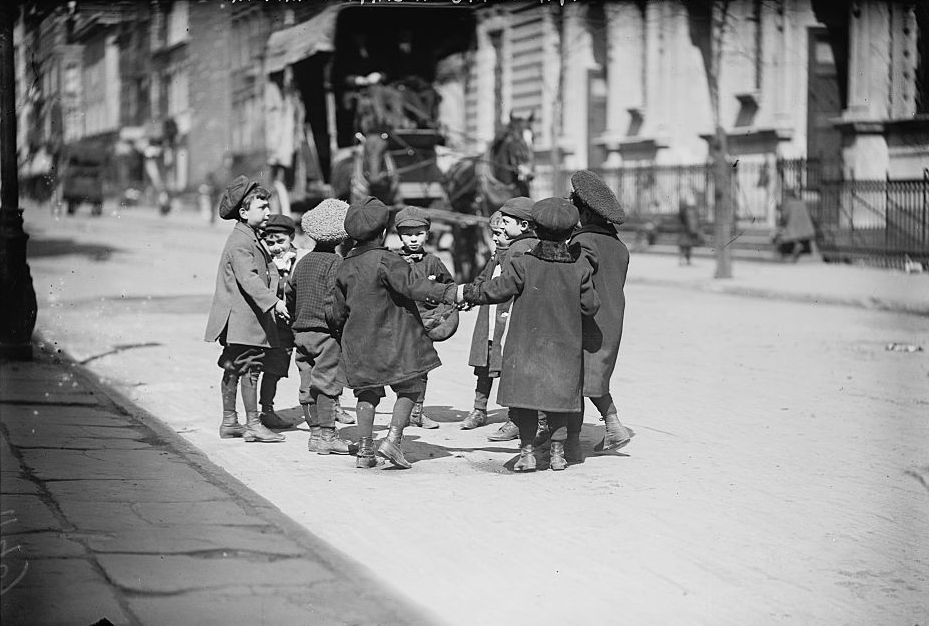
But, with the help of auto industry lobbying, the concept of “jaywalking” was created and it became essentially illegal to use the street for anything except driving. “This one private use crowded everything else out,” said Merker.
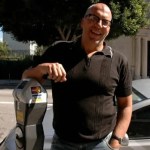
San Francisco became a pioneering city in rolling back a little of that takeover with the invention of “Park(ing) Day.” In 2005, Merker and his colleagues paid for a parking meter for a few hours and, instead of parking a car there, put down some sod and a bench and a planter. “For the first 20 minutes, everyone just ignored it,” said Merker. But then someone sat there and ate a piece of pizza. And then people started investigating, meeting, talking, and just sitting there, he recalled.
The rest is history: Park(ing) Day became a national and then an international phenomenon. Then came the pandemic—and the need to find more space for outdoor dining.
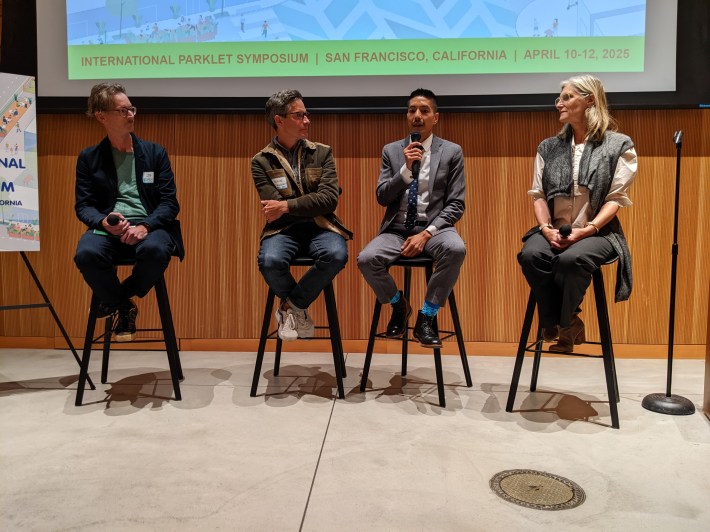
“There was crisis and terror and a real fear for the survival of our small businesses,” said San Francisco Supervisor Rafael Mandelman (District 8), one of the keynote speakers. “But there was also a sense that there was an opportunity to make changes that would last beyond the pandemic.”
Thus, the “shared spaces” program was born to allow restaurants and other merchants to expand the use of parklets as a means to build outdoor space. And now permanent parklets can be found all over San Francisco and other cities.
Now, of course, the idea of shared spaces and parklets has spread so far and wide even Tokyo (which doesn’t really have street parking) has parklets, explained the speakers. “Parklets were a gateway drug to urbanism,” joked Merker. But they’re also a way to shine a lens on this valuable space and “resist what started in the 1900s.
The International Parklet Symposium continues through Saturday, April 12.
The post Conference: Parklets Key to Rolling Back Motordom’s Takeover of the Streets appeared first on Streetsblog San Francisco.
Streetsblog has migrated to a new comment system. New commenters can register directly in the comments section of any article. Returning commenters: your previous comments and display name have been preserved, but you'll need to reclaim your account by clicking "Forgot your password?" on the sign-in form, entering your email, and following the verification link to set a new password — this is required because passwords could not be carried over during the migration. For questions, contact tips@streetsblog.org.