Introducing a New Streetsblog Series: Getting Transit Right

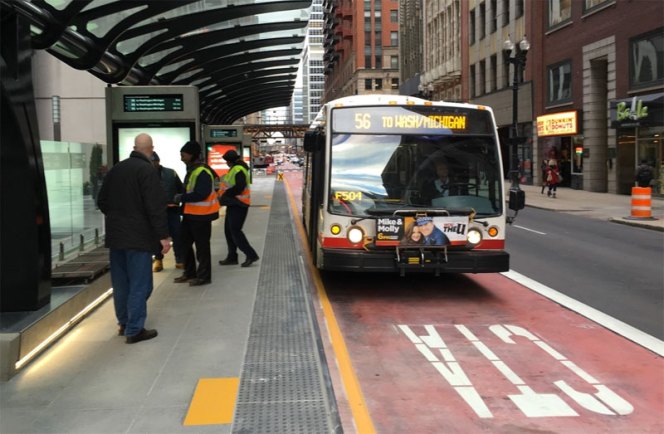
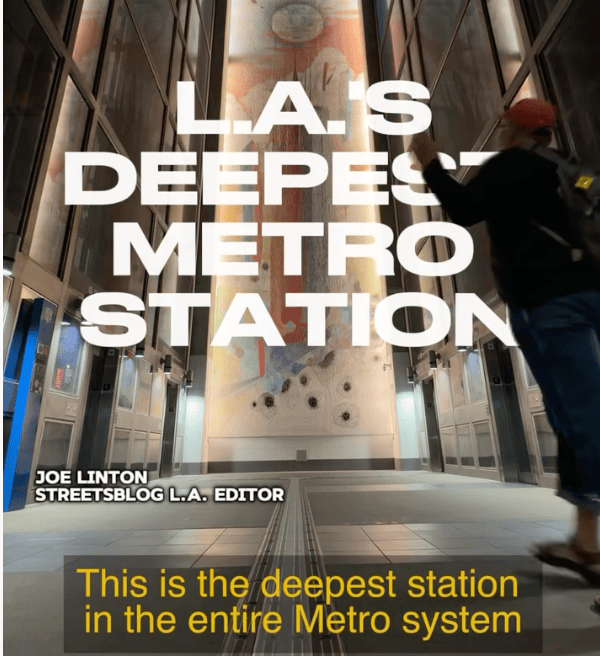
Over the past 15 years, Los Angeles spent billions of dollars to nearly double the size of its fixed-guideway transit system, adding light rail routes throughout the county. Those lines opened up new access for Angelenos headed to Santa Monica beach, Pasadena, U.S.C., and East L.A. — certainly making travel more convenient for many trips.
But after all those investments, total transit ridership in the L.A. region is down. Over the past three years alone, the number of annual transit trips declined by 100,000,000 — an average of more than 300,000 fewer riders per weekday.

How could this happen? How could a region spend so much on improving transit, only to see ridership decline?
With cities across the country raising impressive sums to expand their transit systems, these questions are increasingly essential. So far, few American cities have hit on a policy combination that achieves the goal of making transit more useful to more people.
Thanks to a grant from TransitCenter, Streetsblog will be exploring these issues in a new series, “Getting Transit Right.” We’ll be looking at a dozen American cities to better understand which transit strategies are working and which are not.

The cities we’ve chosen are geographically and economically diverse. Some have metro lines that are more than a century old. Others are just exploring their first high-capacity bus routes. But they all share an interest in using transit to connect people to opportunity, help residents get around without driving, and create more walkable neighborhoods.
For each city, we’ll put together an in-depth profile of the state of the transit system and what public officials are doing (or failing to do) to improve it. We’ll interview local experts and inform our analysis by crunching data. Then the story of each city will be told through the lens of these policy areas:
- Service quality: How useful is local transit service for getting around without needing to rely on a schedule? Are residents able to use bus and train service throughout the day? Which parts of the region are effectively served, and which areas are left out?
- Land use: Do the areas around transit stations support car-free travel, with a mix of uses and a pedestrian-oriented street environment? Is the region taking steps to prevent auto-centric, exurban development? Is parking required for new projects, or are builders being encouraged to design for walkability around transit stops?
- Maintenance: Is the transit system in good condition and up to modern standards? What strategies are policy makers pursuing to repair and upgrade transit infrastructure?
- Recent expansion: Have recent transit investments proven effective at growing overall transit ridership? Are they serving areas where the need and demand for transit are greatest? Have they supported the creation of walkable neighborhoods and encouraged people to switch from driving to transit?
- Future plans: Which transit projects does the region plan to invest in? Will money for new lines be spent to attract as many riders as possible, or will it support ineffective routes and political pet projects? Will stations be built close to major clusters of development and activity, or on the edges, beyond easy walking distance?
We’ll grade each city on how it’s doing in these policy areas. Allocating resources so transit service connects major clusters of residences, jobs, and other uses will rate highly, while politically expedient but low-ridership projects will not. Land use decisions that foster the growth of walkable neighborhoods will score well; park-and-ride development will not.
Our goal is to provide insight into how the allocation of transit resources can serve more people more effectively. Over the course of the series, we aim to generate analysis that readers can use for reference — best practices as well as paths to avoid. (To get transit right, you have to identify how transit can go wrong.)
We’ll begin our regular “Getting Transit Right” coverage next week, with a series of articles on Atlanta, which last November passed a $2.5 billion transit referendum. We hope readers find the series enlightening and that our work will help public officials and advocates make well-informed decisions for cities and transit riders.
Streetsblog has migrated to a new comment system. New commenters can register directly in the comments section of any article. Returning commenters: your previous comments and display name have been preserved, but you'll need to reclaim your account by clicking "Forgot your password?" on the sign-in form, entering your email, and following the verification link to set a new password — this is required because passwords could not be carried over during the migration. For questions, contact tips@streetsblog.org.