Better Roads, Safe Streets Is Headed for the Ballot…Unless Fresno County Can Stop It in Court
It really shouldn’t have been this way.
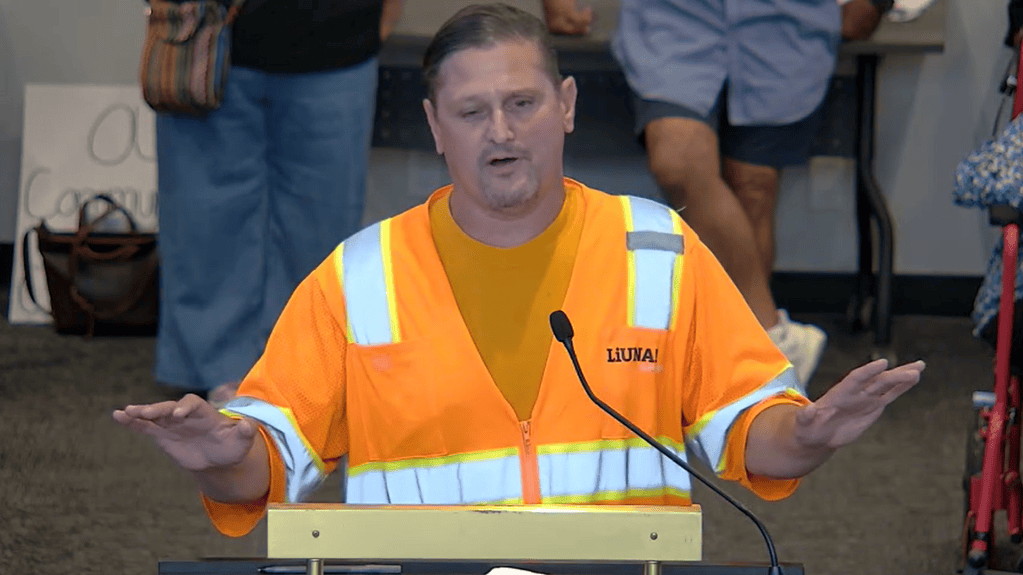
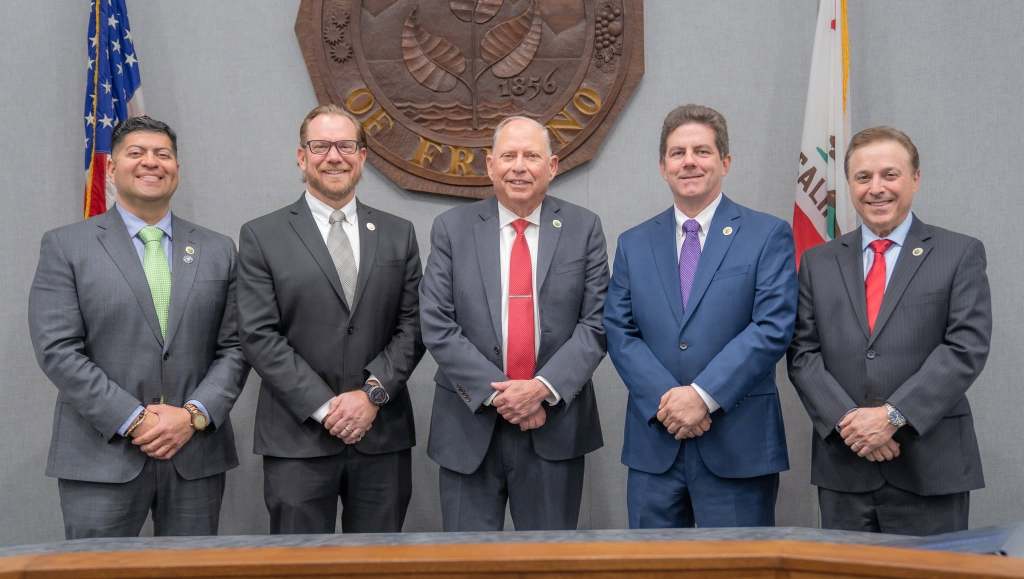
Fresno County’s long-running fight over how to replace its transportation sales tax took another dramatic turn Tuesday, with the county Board of Supervisors voting to sue state officials, the county’s own elections chief, and the proponents of the Better Roads, Safe Streets Initiative. If Better Roads makes the ballot and receives a majority of votes, it would replace Measure C, the county sales tax that funded transportation projects for decades and expires next July.
But despite the county’s legal challenge, Fresno County Clerk and Registrar of Voters James Kus said Tuesday that his office will move forward with placing the citizen-led measure on the November 2026 ballot.
That creates an absurd situation: a county government that has done everything in its power to stop voters from having their say on a ballot measure is now actually suing county employees in a bid to stop them from enforcing state law.
The 3-2 vote to pursue litigation came just days after Governor Gavin Newsom signed legislation intended to get around the county board’s earlier decision to delay the measure until after a study could be completed. The legislation, Assembly Bill 1923 as amended, requires the county to “perform the acts necessary” to put the qualified initiative on the November ballot. Kus told the board that his office would begin that process.
The county argues that the new state law conflicts with election law that would have required certification before last night’s meeting, and that the Board of Supervisors retains authority to determine when the measure goes before voters. This is only partially true, the measure had enough signatures to qualify for the ballot, but the supervisors abused their ministerial role by requesting a study of the project that took just long enough that the deadline to approve the measure had already passed.
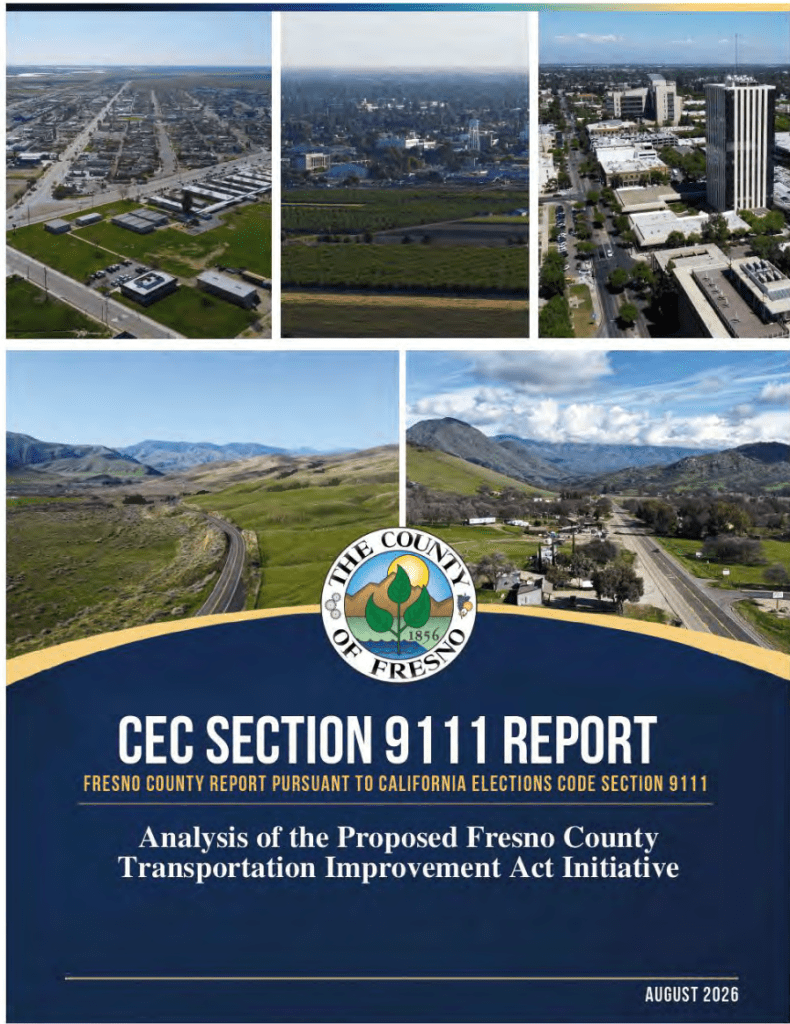
The study, written by the same people who wrote the supervisor’s preferred – but failed – ballot measure, argued that the initiative is too prescriptive about how transportation tax revenues can be spent. And further, that some of Better Roads language could expose the county to litigation. Last night, the supervisors voted to place Better Roads Safe Streets on the March 2028 ballot, after Measure C expires.
The lawsuit names the state, Kus and four proponents of Better Roads, including Fresno Mayor Jerry Dyer and Clovis City Councilmember Lynne Ashbeck.
For now, however, the clerk says the measure is headed for the November 3 ballot. The lawsuit could still result in the courts blocking that process.
And Fresno voters could potentially face another transportation tax question as well. The city of Fresno has been pursuing its own general sales tax measure as a contingency after the county board delayed Better Roads. Dyer has said the city measure is intended to prevent a major funding gap inside Fresno City if the countywide measure does not make the ballot.
How Fresno Got Here
The current fight is the latest chapter in a struggle that has been building for years.
Fresno County’s Measure C, a half-cent sales tax for transportation, was approved by voters in 1986 and renewed in 2006. The current version expires June 30, 2027, meaning the county has a hard deadline to find a successor.
The challenge is not simply coming up with a transportation plan. Government-sponsored special taxes require two-thirds voter approval, a threshold that has proved difficult for Fresno transportation measures to clear.
It’s not just tranportation, though, the two-thirds hurdle has been a recurring problem for government-sponsored local taxes in Fresno. In 2018, for example, the city’s Measure P parks and arts sales tax received only 49% support and failed to reach the two-thirds threshold.
A 2022 attempt to extend Measure C was defeated, prompting a new effort to build a transportation plan through a broader community process. That process eventually produced a spending framework emphasizing existing neighborhood roads, public transportation, pedestrian and bicycle safety and other transportation needs.
But by early 2026, two competing visions had emerged.
One was the citizen-led Better Roads, Safe Streets initiative. The coalition behind it began gathering signatures after government-led efforts to renew Measure C broke down. Because it was a citizen initiative rather than by a government agency, the measure could qualify for the ballot with a simple majority rather than the two-thirds threshold required of a government-sponsored special tax.
The second was Fix Our Roads, a 20-year proposal backed by transportation consultants and former local transportation officials, including former Fresno County Supervisor Henry Perea and former Fresno County Transportation Authority and Caltrans official Michael Leonardo. It proposed putting a much larger share of the money toward roads and highways and less toward public transportation.
In April, Better Roads supporters submitted more than 32,000 signatures to the county clerk — substantially more than the roughly 22,000 required. Fix Our Roads never submitted signatures.
Rather than immediately place the qualified initiative on the November ballot, on July 14 the Board of Supervisors voted to commission a study of its impacts. The 3-2 vote came from Supervisors Garry Bredefeld, Buddy Mendes and Nathan Magsig. Supervisors Luis Chavez and Brian Pacheco opposed. County staff indicated that the study would likely take long enough to miss the deadline for placing the measure on the November ballot.
Better Roads supporters, including Fresno-area mayors, turned to the legislature – asking Assemblymember Esmeralda Soria and Senator Anna Caballero to intervene. Lawmakers amended legislation that had originally dealt with the state’s distressed hospital loan program, adding provisions directing Fresno County to take the necessary steps to put Better Roads before voters in November. Newsom signed the legislation.
The county immediately warned that it would challenge the law in court.
That challenge came Tuesday, when supervisors formally voted to pursue litigation. At the same meeting, however, Kus said his office would proceed with the November ballot process under the new state law.
What’s at Stake
At the center of the fight is what happens when Measure C expires next summer. Its expiration without a replacement would leave cities, the county, and transit agencies facing major funding losses.
County staff have projected significant consequences from losing the revenue, including roughly 90 potential county employee layoffs. Fresno officials have separately warned that the city could lose tens of millions of dollars annually and hundreds of jobs without replacement revenue. Clovis and rural communities would also lose access to Measure C funding if there is no countywide successor.
Better Roads, Safe Streets would maintain the half-cent sales tax for another 30 years. The campaign estimates that it would generate about $7.4 billion over that period.
The spending formula is significantly different from the traditional emphasis of Measure C.
Under Better Roads:
- 65% would go toward existing neighborhood roads and streets, including pavement repairs, potholes, sidewalks and safety improvements.
- 25% would fund public transportation.
- 5% would go toward regional transportation connectivity.
- 4% would support transportation access and innovation.
- 1% would cover administration, oversight and related costs.
For the moment, the clerk is preparing for November.
Whether Fresno County voters actually get the chance to vote on Better Roads, Safe Streets will now be up to the courts.
Streetsblog has migrated to a new comment system. New commenters can register directly in the comments section of any article. Returning commenters: your previous comments and display name have been preserved, but you'll need to reclaim your account by clicking "Forgot your password?" on the sign-in form, entering your email, and following the verification link to set a new password — this is required because passwords could not be carried over during the migration. For questions, contact tips@streetsblog.org.