Metrolink’s Funding Crisis Is Really a Governance Crisis

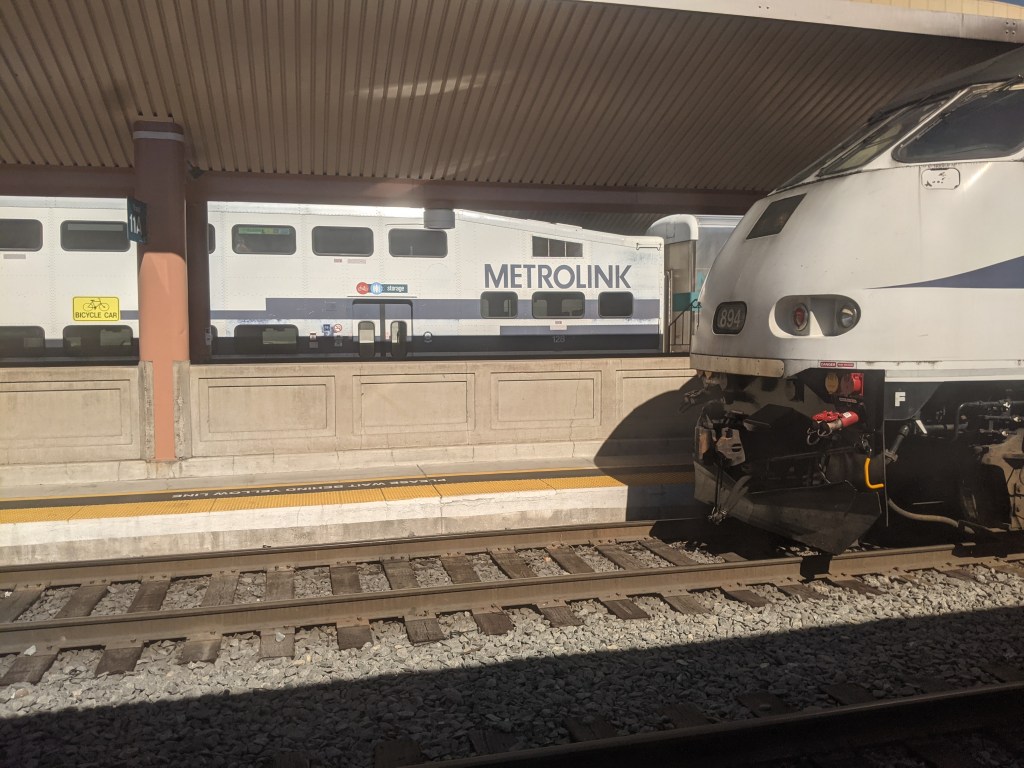
Southern California’s Metrolink regional rail system is facing a moment of reckoning. With looming service cuts, stalled modernization projects, and growing frustration among advocates and riders, Californians for Electric Rail has launched a campaign warning that structural problems in Metrolink’s governance model undermine the future of passenger rail in Southern California.
The group is urging riders and advocates to contact local elected officials and transportation leaders to call for emergency funding, governance reform, and stronger accountability at Metrolink. The organization argues that Southern California cannot meet its climate, mobility, or housing goals while allowing regional rail service to stagnate. The alert warns that proposed cuts could reduce frequency, depress ridership further, and make it harder to justify future investments in rail infrastructure.
Take action directly via this Move California alert.
Californians for Electric Rail (CER) does their homework, and in four articles on their website explain what is happening that’s pushed Metrolink to consider service cuts both in the near- and long-terms (atop cuts earlier this year), plus fare increases. Streetsblog has summarized the articles below, but for more details make sure to click through to each of the pieces. All images below come directly from the CER articles.
Metrolink Faces Possible Service Cuts
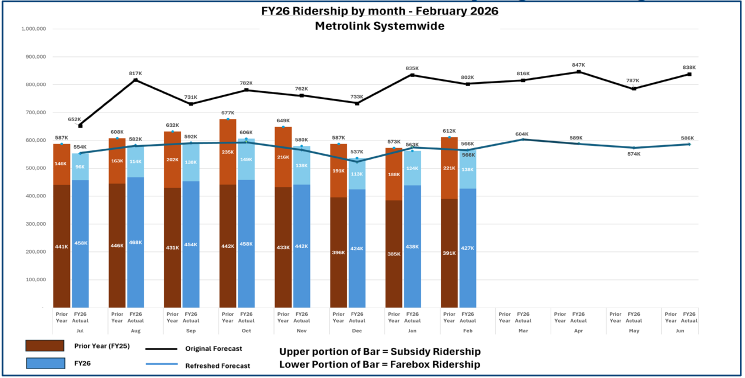
In the first article, CER explains that Metrolink is confronting a major operating deficit that could trigger significant service reductions unless new funding sources are identified. Advocates warn the cuts would come at the exact moment when Southern California should be expanding rail service to prepare for major international events – from next month’s World Cup to the 2028 Olympics – in order to provide alternatives to worsening freeway congestion.
The organization argues that infrequent service already limits Metrolink’s usefulness for many riders. Trains on several lines run too infrequently to support spontaneous travel or all-day commuting, leaving the system heavily dependent on traditional peak-hour office commuters — a market that has not fully recovered since the pandemic.
The action alert criticizes regional leaders for treating Metrolink as an optional commuter service instead of essential transportation infrastructure. Advocates argue that cutting service would likely trigger a downward spiral: fewer trains leading to fewer riders, which then becomes justification for additional cuts.
CER instead calls for stable long-term operating support similar to what major transit systems receive elsewhere in the world. The group argues Southern California has invested billions into rail infrastructure but has failed to commit to the level of frequent, reliable service needed to make the system truly useful for everyday mobility.
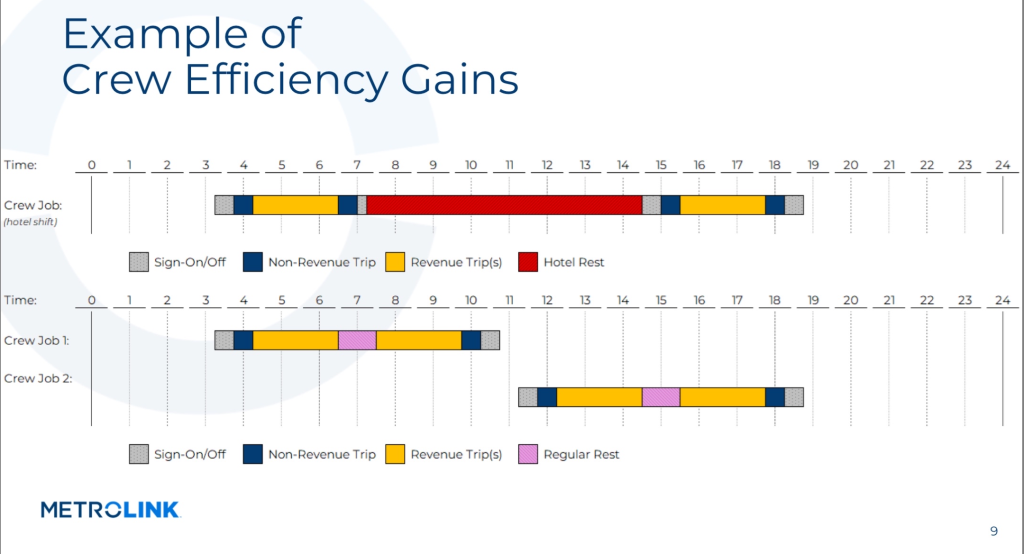
Governance Problems Are Limiting Ridership and Growth
The second report argues that Metrolink’s governance structure itself has become a barrier to modernization and ridership growth. Unlike many regional rail systems with centralized leadership and clear operational priorities, Metrolink is governed by a complex board structure made up of representatives from multiple counties.
CER argues this arrangement encourages political compromise over long-term planning. Rather than operating as a unified regional rail provider, Metrolink often functions as a collection of county interests with competing priorities. According to the report, this can slow decision-making, dilute accountability, and make it harder to pursue systemwide improvements.
CER contends that the governance structure incentivizes short-term cost containment instead of long-term service expansion. This results in a rail system that struggles to increase frequency, coordinate schedules, or pursue ridership growth – at a time when gas prices are increasing demand for alternatives to driving.
The report points to examples from other regions where centralized rail governance has allowed agencies to rapidly modernize operations, electrify service, and dramatically increase train frequencies. Advocates say Southern California risks falling behind unless Metrolink evolves from a commuter-focused service into a true regional mobility network.
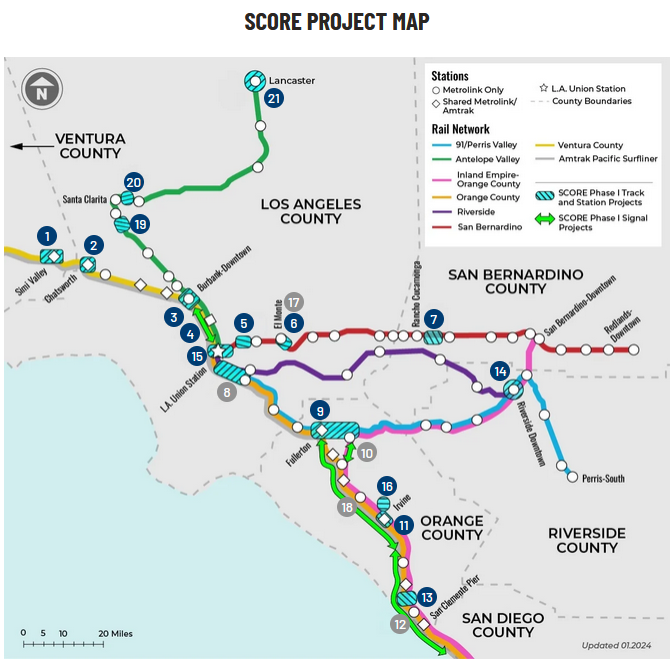
Capital Modernization Projects Are Also at Risk
Beyond immediate service cuts, the third piece warns that governance problems are also threatening critical rail modernization. A separate analysis argues that the current structure makes it difficult for Metrolink to consistently prioritize long-term capital investments necessary to improve reliability and increase service.
The report highlights concerns about delays in projects tied to electrification, signal upgrades, station improvements, and other corridor modernization. Advocates argue that without sustained investment, Southern California’s rail network will remain slower, less frequent, and less competitive – compared to driving.
The organization also warns that fragmented governance can weaken the agency’s ability to compete for state and federal grants. Large infrastructure programs increasingly prioritize agencies that demonstrate clear long-term operational strategies and regional coordination. CER argues Metrolink’s current structure makes it harder to present a unified vision for the future.
Advocates say the stakes extend beyond transportation. Rail modernization is increasingly tied to broader state goals for climate emissions, housing production, and economic mobility. Without major improvements to regional rail, CER asserts Southern California will struggle to reduce car dependency or support denser development patterns around transit corridors.
Advocates Say LOSSAN Leadership Has Failed to Respond
The final report focuses on the LOSSAN Working Group***, wThis is an organization convened CalSTA under the authorization of Senate Bill 1098 to deliver a list of legislative recommendations on how to fix the LOSSAN rail corridor . CER critiques LOSSAN for failing to adequately respond to mounting operational and governance challenges.
CER criticizes the Working Group for a lack of urgency around long-term rail planning and corridor modernization. CER urges stronger Southern California leadership to coordinate investments, improve reliability, and expand passenger rail capacity.
Particular concern is focused on vulnerabilities along the coastal tracks in Orange and San Diego Counties, where bluff failures, erosion, and climate impacts have repeatedly disrupted rail service. Advocates argue the region still lacks a comprehensive strategy for long-term corridor resiliency, despite years of outages.
CER contends that fragmented oversight between Metrolink, LOSSAN, county transportation agencies, Amtrak, and freight railroads has created a system where no single entity is fully accountable for delivering a cohesive regional rail vision. The organization argues that without structural reforms and stronger leadership, Southern California risks continued decline in regional passenger rail service even as demand for sustainable transportation alternatives grows.
*** An earlier version of this piece confused LOSSAN Rail Corridor Agency with the Lossan Working Group. Streetsblog regrets the error.
Streetsblog has migrated to a new comment system. New commenters can register directly in the comments section of any article. Returning commenters: your previous comments and display name have been preserved, but you'll need to reclaim your account by clicking "Forgot your password?" on the sign-in form, entering your email, and following the verification link to set a new password — this is required because passwords could not be carried over during the migration. For questions, contact tips@streetsblog.org.