Notes from Switzerland: Transit Fare Integration is Key to Success
Seamless Bay Area's Ian Griffiths just got a tour of what is almost inarguably the world's best transit and intercity rail system. Streetsblog is happy to share his observations with readers.

10:25 AM PDT on June 14, 2023
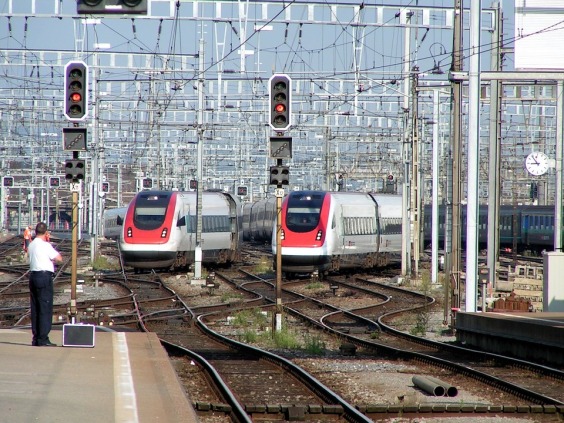
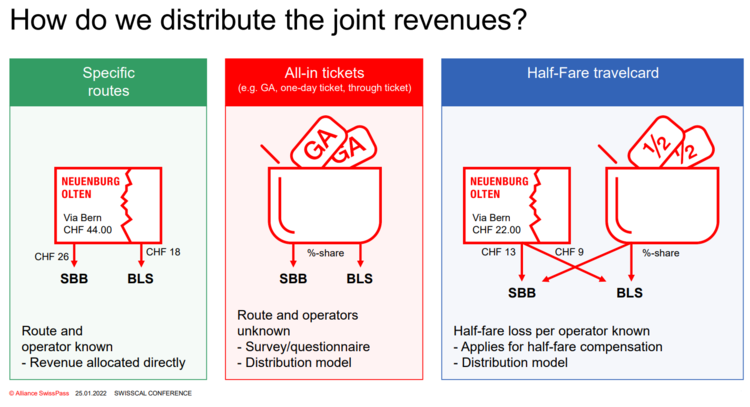
Seamless Bay Area’s Ian Griffiths just completed an extensive study tour of Switzerland’s intercity rail and urban transit systems. Streetsblog wanted to bring his thoughts to readers.A key success factor in Switzerland’s attractive, high-ridership system is the principle of “One journey, One ticket”: the idea that when you pay a fare, it’s for your entire journey, no matter how many times you transfer between modes or operators. The study delegation of Bay Area transit leaders to Switzerland learned the details of how this works from Helmut Eichhorn, Managing Director of Alliance SwissPass, a mandatory association of operators and fare associations created by the federal government, and from representatives from ZVV, the regional fare association for the Zurich region. The way this is done is more complex than I was expecting before I visited Switzerland, but the result for the end user is that you pay a ‘fair’ fare that is basically proportional to how far you go. And, there are major efforts underway to make it even simpler and fairer. For example, if you wanted to take a trip from the city to the mountains, you might take a tram to a regional train to a ferry to a cable car, all of which would be included in the same ticket price. On the way back, if you chose to take a different combination of modes or routes, your journey would be the same price.
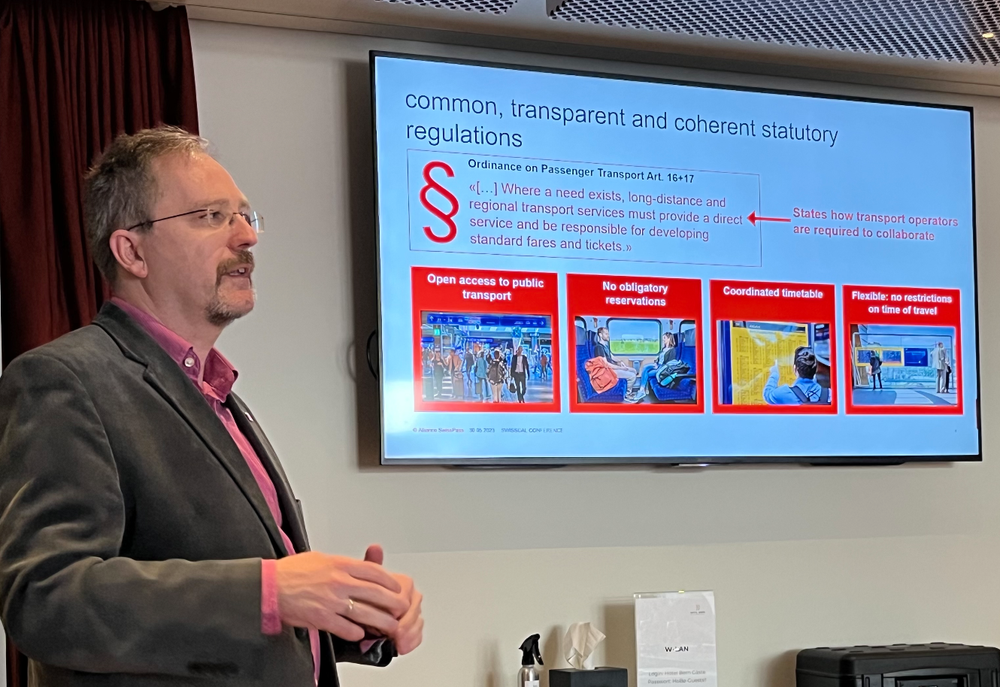
- Open access to transit (no fare gates) – all transit is ‘proof of payment’ by law
- No obligatory reservations
- All tickets must be flexible and have no restrictions on time of travel
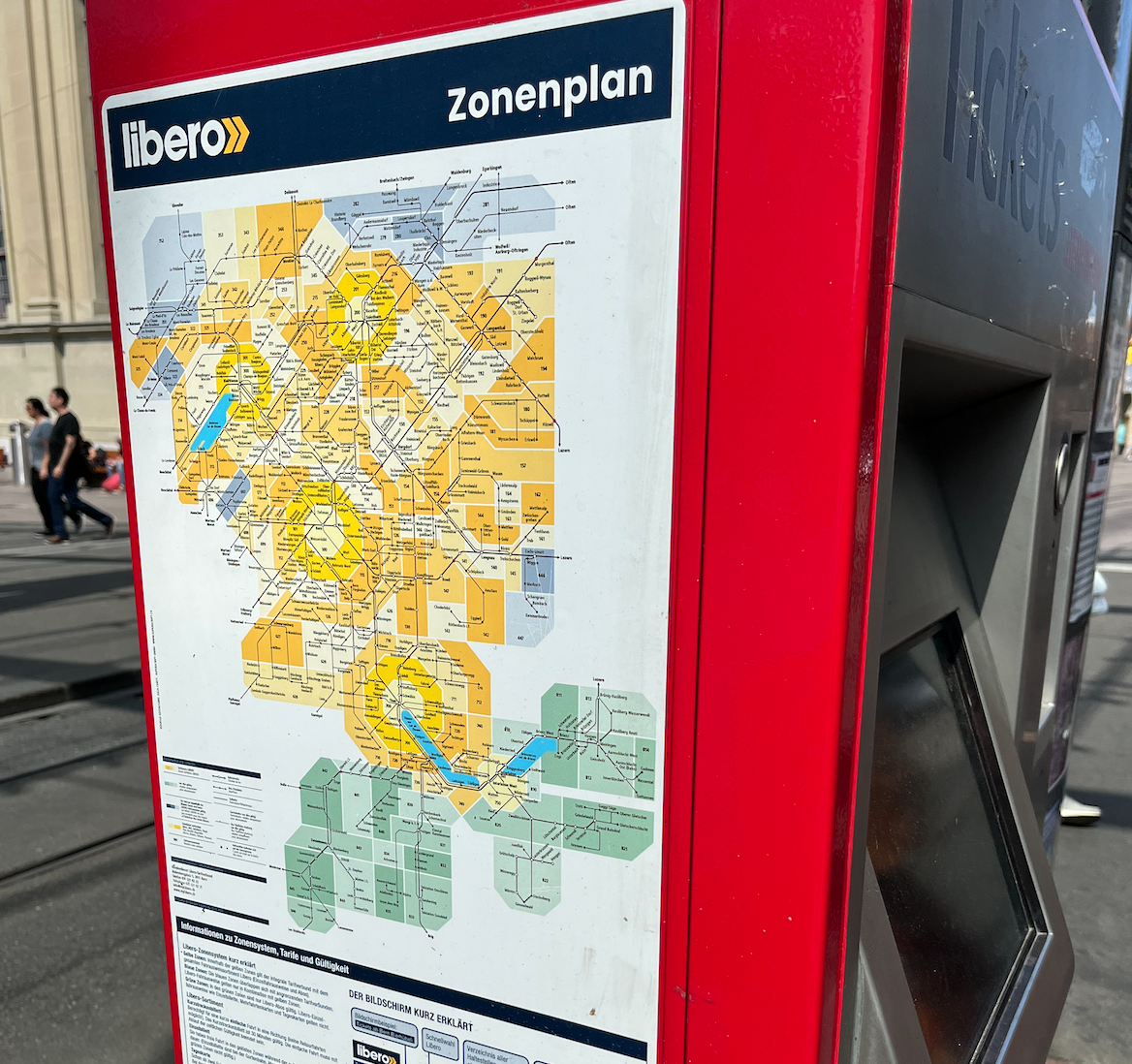
- Participation in integrated fare structures should be mandatory, not optional.
- Having a common ‘logic’ to fare integration that seems fair matters appears more than having a super simple structure. ‘One ticket, one journey’ is key. (That said, at the UITP conference I attended after the study tour, many panelists stressed that fare simplification can be an important and effective strategy for attracting new markets of riders)
- Integrated fares provides opportunities for common fare passes, like half price fare cards & tourist passes, which can be powerful incentives to use transit a lot – and generate significant revenue.
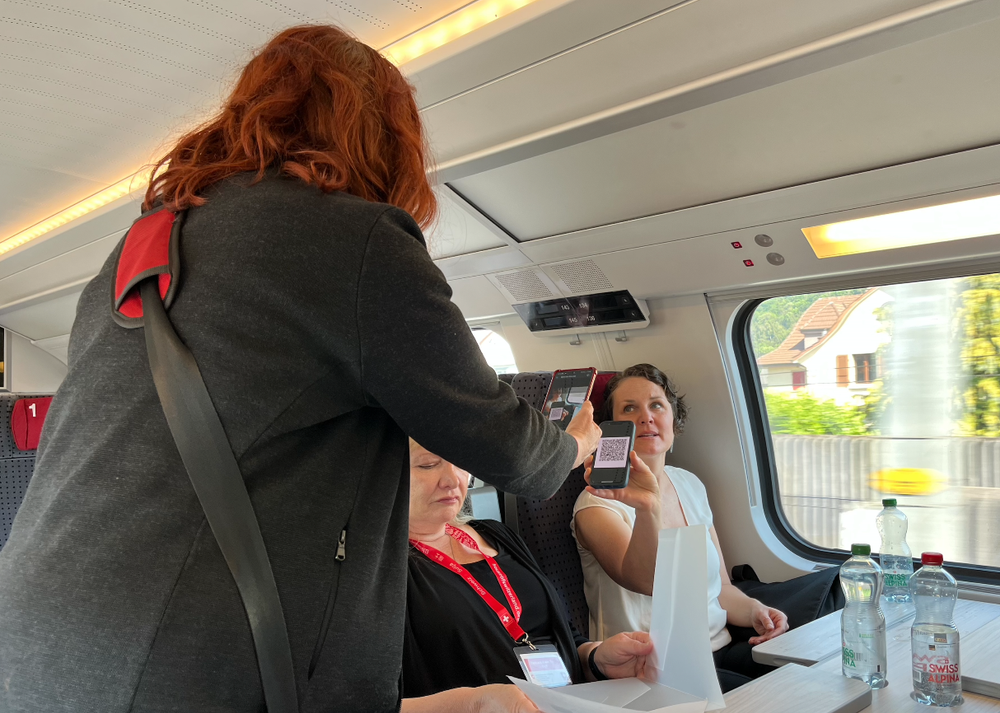
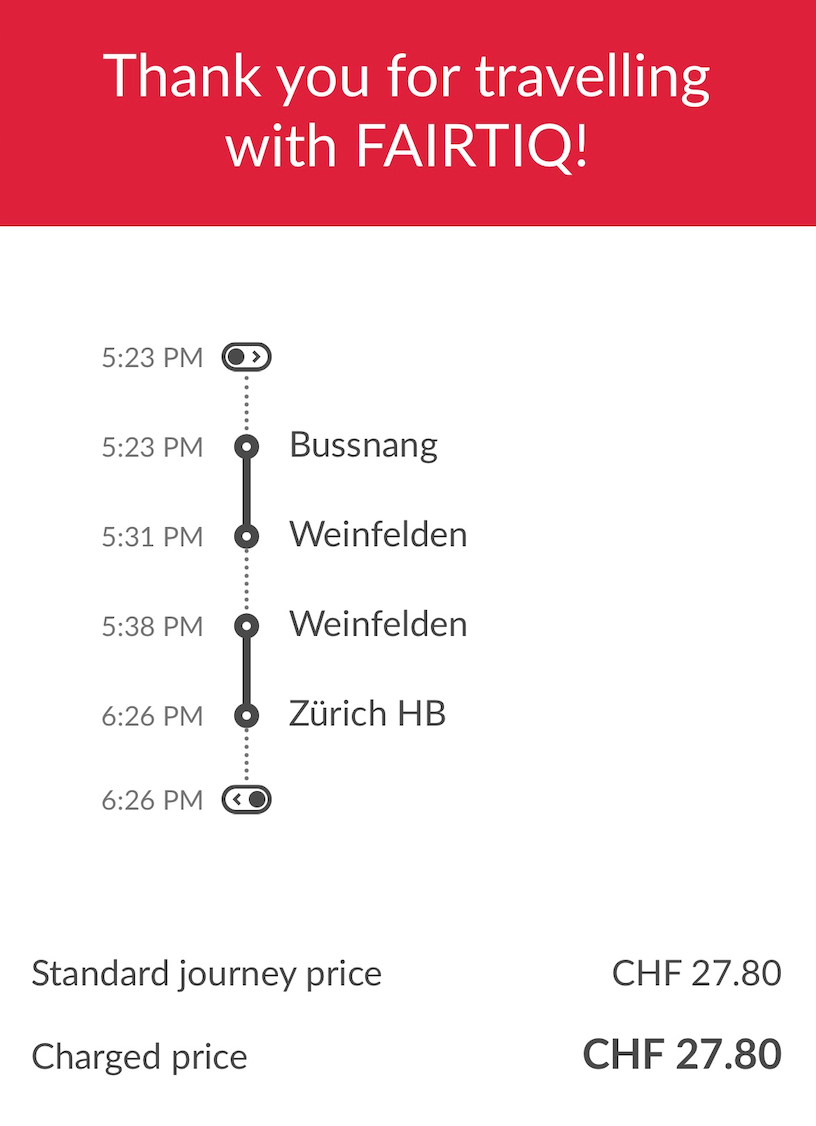
- The more ways to pay for transit, the better. Ticket machines, mobile ticketing, and Fairtiq all work well for different types of users.

Streetsblog has migrated to a new comment system. New commenters can register directly in the comments section of any article. Returning commenters: your previous comments and display name have been preserved, but you'll need to reclaim your account by clicking "Forgot your password?" on the sign-in form, entering your email, and following the verification link to set a new password — this is required because passwords could not be carried over during the migration. For questions, contact tips@streetsblog.org.
More from Streetsblog California
The Week in Short Video
More on the election, groundbreaking for light rail in Van Nuys and a bonus video from Streetsblog NYC on the chaos of people walking and bicycling in Central Park.

October 23, 2026


Commentary: A Bay Area Public Transit Renaissance is Underway
With rapidly growing ridership, improving customer satisfaction and long-awaited regional integration moving forward, the future of Bay Area transit is bright — but only if voters pass Measure RTM.
October 22, 2026
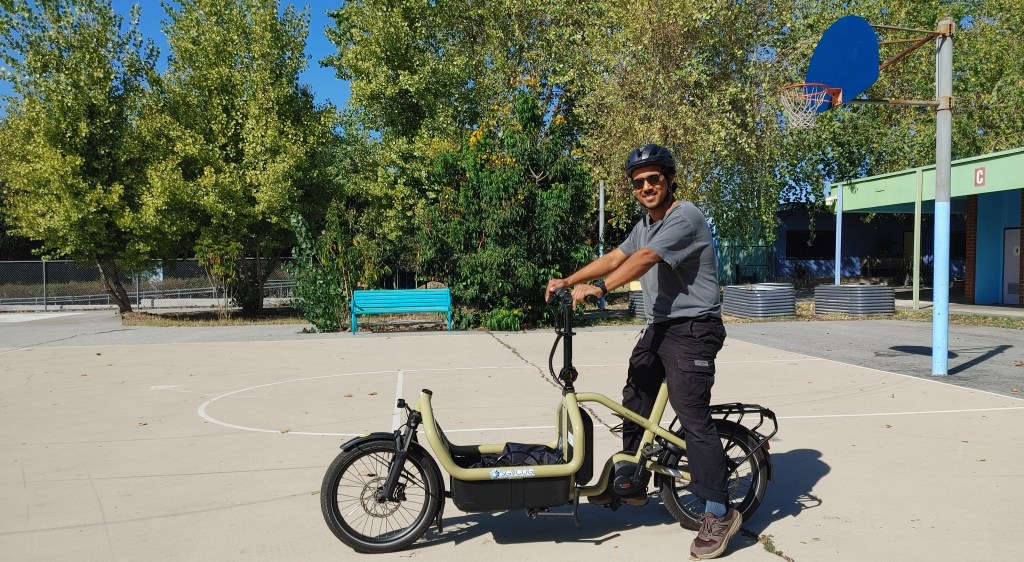
GoSGV Offers Five More Electric Cargo Bikes for Equity Members
Residents of certain cities or those who qualify by income can now rent special cargo e-bikes from Benno, Riese & Müller, and Rad Power.

October 22, 2026
8 Things Streetsbloggers Who Haven’t Voted Yet Should Know Before November 3
As part of a federally recognized 501c(3) public charity, Streetsblog can’t endorse candidates, but we do want you to vote. We can endorse ballot measures, and our full endorsements can be found at the bottom of this article.
October 22, 2026