Transit Advocates Launch Call to Action Against Disastrous Trump Budget

The Trump budget outline released last week could spell disaster for transit.
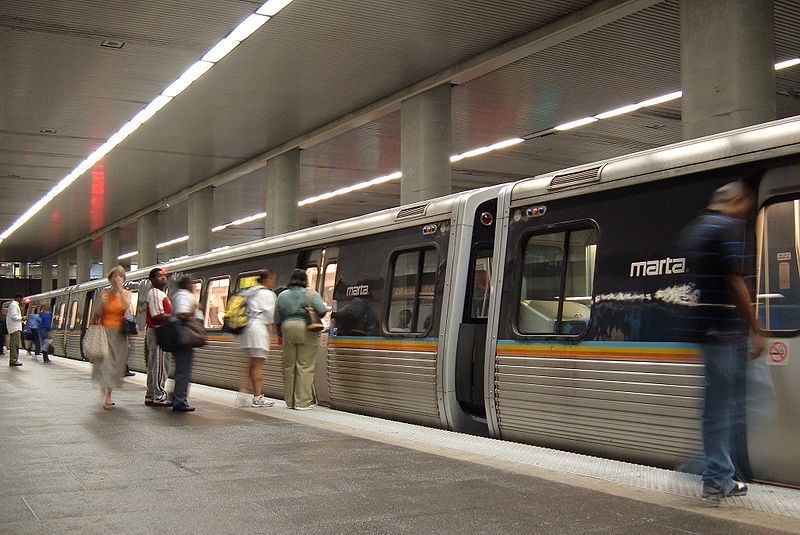
Atlanta is wondering whether long-overdue projects to fortify the city’s anemic transit system will have to be downsized. In Seattle, federal cuts would jeopardize several projects voters thought they were getting when they approved a massive transit expansion package last fall. Meanwhile, upgrades to Caltrain commuter rail service between San Jose and San Francisco may be cancelled altogether.
The list goes on: Dozens of transit projects across the nation — as well as walking and biking projects that count on funds from the TIGER program — are under threat unless Congress scraps the drastic cuts proposed by the White House.
Transportation for America is urging people who care about walking, biking, and transit to contact their representatives:
After months of promises to invest a trillion dollars in infrastructure, the first official action taken by the Trump administration on the issue is a proposal to eliminate the popular TIGER competitive grant program, cut the funding that helps cities of all sizes build new transit lines, and terminate funding for the long-distance passenger rail lines that rural areas depend on.
The competitive TIGER grant program is one of the only ways that local communities of all sizes can directly access federal funds. And unlike the old outdated practice of earmarking, to win this funding, project sponsors have to bring significant local funding to the table and provide evidence of how their project will accomplish numerous goals. The TIGER grant program has brought more than three non-federal dollars to the table for each federal dollar awarded.
Eliminating the funding to support the construction of new public transportation lines and service is a slap in face of the millions of local residents who have raised their own taxes to pay their share. Like the voters in Tempe, AZ, who approved a sales tax 13 years ago that’s been set aside to pair with a future federal grant to build a streetcar. Or the voters last November in Indianapolis, IN, who approved an income tax increase to pay their share of a new bus rapid transit project, and in Atlanta, GA, who approved a sales tax increase in part to add transit to their one-of-a-kind Beltline project.
These local communities and scores of others who are generating their own funds to invest in transit will be left high and dry by this proposal, threatening their ability to satisfy the booming demand from residents and employers alike for well-connected locations served by transit.
More recommended reading today: With Uber testing autonomous vehicle technology in Pittsburgh, Bike PGH surveyed people about how they feel walking and biking on streets with self-driving cars and just published the results. And David Perry explains why the MBTA’s plans to abruptly cut weekend commuter rail service in the Boston region reflects the state’s limited commitment to funding transit.

Streetsblog has migrated to a new comment system. New commenters can register directly in the comments section of any article. Returning commenters: your previous comments and display name have been preserved, but you'll need to reclaim your account by clicking "Forgot your password?" on the sign-in form, entering your email, and following the verification link to set a new password — this is required because passwords could not be carried over during the migration. For questions, contact tips@streetsblog.org.