ClimatePlan Offers Becerra a Roadmap for Rethinking Transportation Priorities
A new report from ClimatePlan, titled Getting There: A Governor’s Playbook for Making It Easier and More Affordable to Get Around and Live in California, outlines immediate steps the incoming Becerra Administration could take to improve the state’s air quality and prepare for the future by creating fundamental changes in how the state prioritizes transportation projects, distributes funding, and coordinates transportation and housing policy.
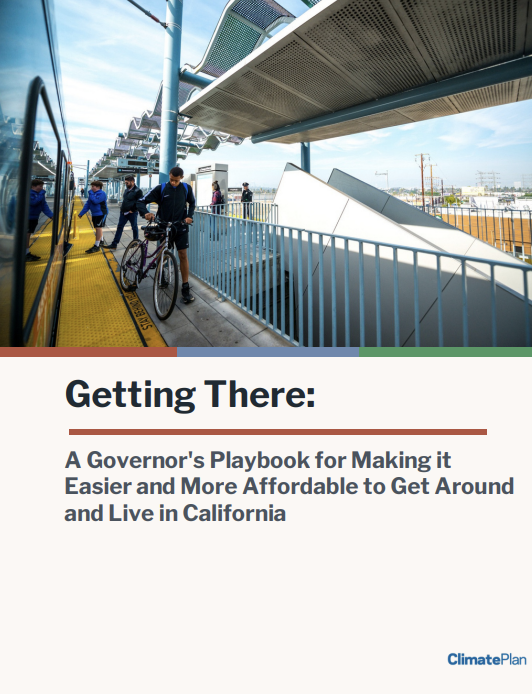
The report identifies five priorities: making better use of transportation resources, improving public transit, building housing where transportation is affordable, transitioning to cleaner freight, and making streets safer for people walking and biking.
It also lays out eight specific actions a new governor could take during the first 100 days in office, including executive orders, budget proposals, administrative changes, and new leadership appointments.
“Governor-elect Becerra wants life to be livable and affordable for everyday Californians,” explains ClimatePlan Executive Director Lesley Beatty, before arguing that the focus on reducing gas prices is the wrong tactic. “Having access to transit is actually what makes transportation affordable. It’s not lowering gas prices.“
If you’ve read Streetsblog at all, you’re familiar with the biggest problem facing the state’s transit and transportation agencies: California has more transportation needs than it has money. There is a $215 billion gap between planned transportation projects and available funding over the next decade.
At the same time, traditional transportation revenue sources are becoming less reliable. Gas tax revenue is declining as vehicles become more fuel-efficient and drivers switch to electric vehicles. Construction costs continue to rise, thanks in part to Trumpflation and in part to high gas prices, while the state faces growing maintenance needs from fires, floods, and other climate-related damage.
“That fight has to happen, right? The money is declining, right?” Beatty asks rhetorically about the debate over alternative funding sources. “Increasingly, you can hear CALSTA (the California State Transportation Agency) and Caltrans talking about how they don’t have enough money for their priorities.”
The answer to the crisis comes in two parts: the state needs to raise more money and reconsider where existing transportation dollars go.
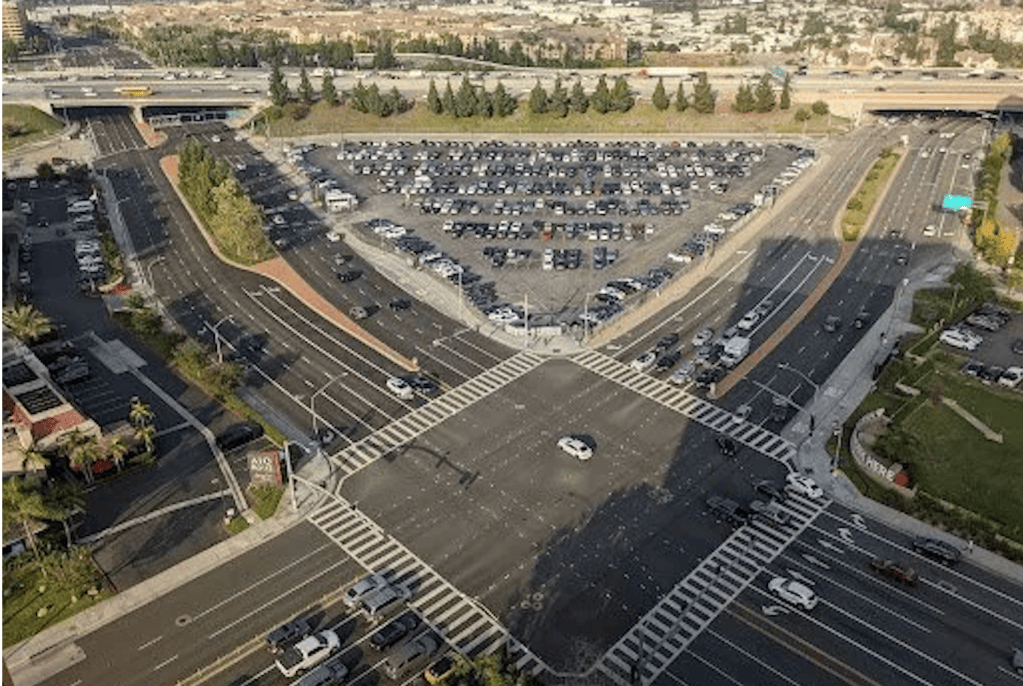
Much of the state’s spending continues to support highway projects designed around moving more cars faster. These projects conflict with California’s goals for reducing greenhouse gas emissions, improving safety, and providing more transportation choices.
Rethinking How California Spends Transportation Money
One of the report’s most significant recommendations is creating a new Transportation Planning Office within the California State Transportation Agency (CalSTA).
Currently, statewide transportation planning largely sits within Caltrans, an agency whose primary responsibility is developing and delivering highway projects. The report argues that moving long-range planning to CalSTA would give the state a more balanced, multimodal approach.
The new office would develop a pipeline of projects aligned with state transportation goals, working with regional planning agencies and local governments.
The report also recommends expanding the use of Caltrans’ existing System Investment Strategy (CSIS), a tool that evaluates transportation projects based on how well they advance state goals. Although the state already has this tool, it is currently applied to only a small share of transportation funding decisions.
The report also suggests that Caltrans could redirect staff and planning resources from outdated projects toward helping local agencies develop projects that better meet state goals.
“Caltrans has 20,000 employees,” Beatty estimates. “The vast majority of them work on roads and highways. They have all this capacity, but part of the reason that transit, walking and bike projects aren’t advanced locally is that they aren’t planned and advanced through Caltrans.”
Making Public Transit Work Beyond Capital Projects
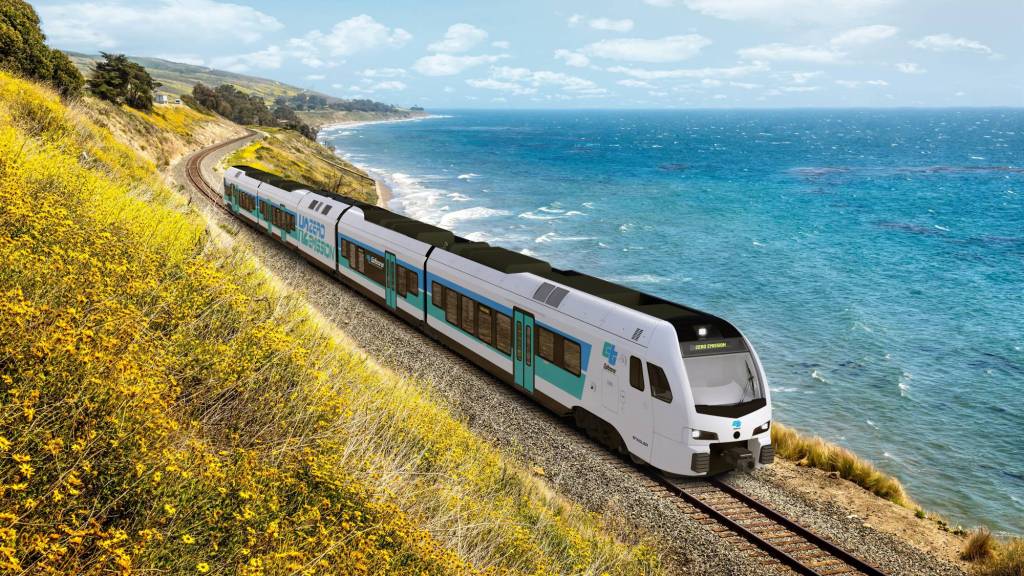
California has historically provided significant funding for transit construction while leaving much of the responsibility for operating service to local and regional agencies. According to the report, the state provides only about 20% of transit funding, leaving agencies dependent on local taxes, fares, and temporary funding programs.
The result is a patchwork of transit systems facing recurring financial challenges, even as millions of Californians depend on them to reach work, school, health care, and other essential destinations.
The playbook recommends establishing a dedicated, stable source of state funding for transit and paratransit operations. It also proposes setting measurable standards for transit frequency, speed, reliability, and coordination, with state operating dollars tied to progress toward those goals.
On the construction side, the report calls for dedicating more Caltrans staff and expertise to helping deliver transit and rail projects. A multi-year funding framework, a single application for state capital funds, and streamlined permitting for projects that advance transportation, environmental, and equity goals could help reduce delays and costs.
Housing and Transportation Are Connected
The report notes that households in compact, walkable neighborhoods with access to transit generally spend less on transportation than families living in car-dependent communities. When affordable housing is unavailable near jobs and everyday destinations, families are pushed farther away and forced into longer, more expensive commutes.
The playbook proposes using publicly owned transportation property to help address the housing shortage. Caltrans and local transportation agencies would inventory underutilized land in infill areas, identify priority sites, and establish targets for affordable housing development.
The report cites research done by Enterprise Community Partners suggesting that as many as 240,000 affordable homes could potentially be built on transit agency-owned land alone.
“Building homes on land owned by public transit agencies is something that they can do very easily. Just building homes near transit is not controversial,” Beatty argues, before cautioning that the state will need to move beyond the initial recommendations in the report to address the state’s housing crisis. “These are solutions, but they’re not going to solve the state housing crisis on their own.”
It also takes direct aim at highway expansion projects that displace existing housing. The report recommends requiring California Transportation Commission approval before future highway projects can displace homes, while directing Caltrans to evaluate alternatives to widening projects that divide neighborhoods or demolish housing.
The report also proposes elevating the Strategic Growth Council’s role in coordinating transportation, housing, economic development, and environmental goals across state government.
Cleaner Freight
The final two priorities address some of California’s most persistent environmental and safety challenges.
California is a critical hub for international freight, with nearly one-third of U.S. container imports entering through the state’s ports. But freight transportation is also responsible for significant diesel pollution, particularly in communities near ports, rail yards, freeways, and warehouse districts.
The report recommends establishing a goal of having 50% of truck miles traveled by zero-emission vehicles by 2035. Reaching that goal would require a comprehensive Clean Freight Future Plan, additional charging infrastructure, and financial incentives to accelerate the transition.
It also proposes directing at least half of the state’s Trade Corridor Enhancement Program funding toward clean freight infrastructure, rather than continuing to prioritize traditional highway expansion.
A potential retail delivery fee on rapid, on-demand deliveries could provide additional funding for clean freight infrastructure and neighborhood street improvements. The report suggests exempting essential purchases, including groceries and medicine, and providing protections for low-income households.
“California has a mighty economy but we should not build it on the backs of people who then have to breathe in toxic air,” Beatty notes. “We had a federal government leading on this, with the Inflation Reduction Act and then the federal government swinging wildly back in the other direction under Trump.”
Safer Streets
On street safety, the report calls for making pedestrian and bicycle improvements a standard part of road maintenance and reconstruction.
It specifically recommends full implementation of the Complete Streets Act (SB 960), which requires Caltrans to incorporate pedestrian and bicycle facilities into applicable state highway projects. The next administration should also strengthen accountability for complete streets improvements in locally funded road projects and appoint a high-level Director of Active Transportation at Caltrans.
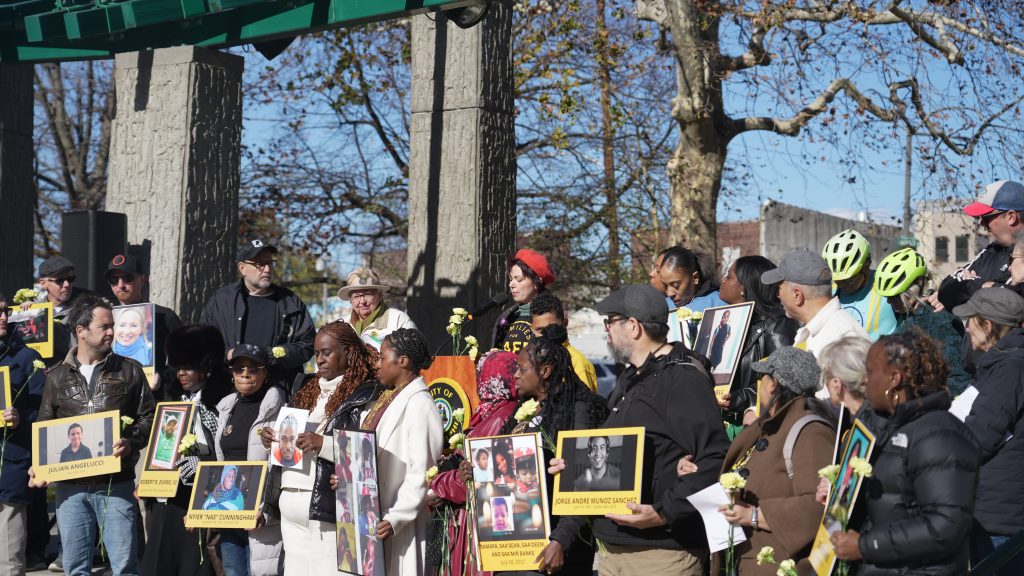
The report notes that nearly 5,000 Californians are killed or seriously injured each year while simply trying to get to work, school, or the grocery store.
It also highlights the enormous gap between demand and available funding for active transportation. For the upcoming funding cycle, communities requested $2.9 billion through the state’s Active Transportation Program, but only $619 million was available.
The playbook recommends establishing a sustainable funding source for the program, indexing it to inflation, and giving Caltrans a stronger role in helping local agencies move funded projects from grant awards to construction. There are many, many great bicycle and pedestrian safety projects that never get funded because there just isn’t enough money available.
“You should not have to win a competitive grant with a score of 97 (out of 100) in order to put a sidewalk that’s going to keep kids from getting killed,” she concludes.
The First 100 Days
ClimatePlan outlines eight actions the governor could take during the first 100 days to make a long-term difference:
1. Set Measurable 2035 Goals: Establish statewide goals for safe access, affordability, and clean air, including a combined measure of housing and transportation affordability. Require agencies to track progress.
2. Create the Office of Transportation Planning: Establish a new office within CalSTA, using existing Caltrans planning resources, to develop a pipeline of projects aligned with state goals and integrate transportation, housing, and land-use planning.
Executive orders
3. Direct Transportation Agencies to Deliver on Housing Goals: Require state housing and transportation agencies to coordinate investments, link affordable housing production with transit investments, and avoid displacement caused by transportation projects.
4. Launch a Clean Freight Future Plan: Build on the California Transportation Commission’s clean freight corridor assessment to identify infrastructure projects, investments, and incentives needed to protect public health and transition to zero-emission freight.
5. Fast-Track Projects that Advance State Goals: Direct transportation agencies to develop rapid-response solutions for the state’s 10 worst bus-delay bottlenecks and 100 most dangerous locations for pedestrians and bicyclists.
Administrative actions
6. Appoint Strong Transportation Leaders: Appoint CalSTA and Caltrans leadership capable of changing the state’s transportation priorities and delivering a multimodal transportation system.
7. Issue a “Make Transit Work” Executive Order: Direct CalSTA to quantify the transit operating funding gap, plan service around rider needs, and publish a dashboard tracking implementation of the SB 125 Task Force recommendations.
8. Direct a 100-Day Project Audit: Require Caltrans to conduct a public audit of capital projects in development, using consistent and transparent criteria to identify which projects advance state goals and which should be reconsidered.
Ultimately, the report argues that the next governor does not need to wait for a new transportation funding package or years of legislative negotiations to begin changing California’s transportation priorities. Whether Becerra embraces that agenda remains to be seen. But with transit agencies struggling to maintain service, communities competing for limited safe streets funding, and billions of dollars committed to transportation projects that may no longer reflect California’s priorities, the report offers a detailed roadmap for a different approach.