Zbur’s Legislation to Scale Back Coastal Commission Powers Now Only Applies to Santa Monica

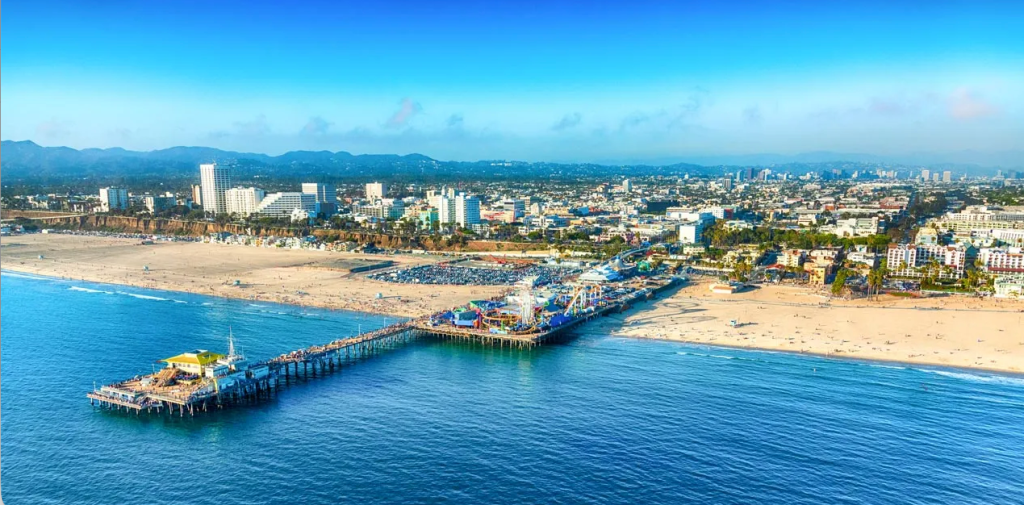
Assemblymember Rick Zbur’s (D-Santa Monica) legislation to give greater local permitting powers to a handful of cities in areas where the California Coastal Commission has authority has been watered down and narrowed in scope, but for the one city it would still impact – Santa Monica – it remains a top priority.
Zbur and other supporters say that Assembly Bill 1740 responds to concerns that the current coastal review process, administered by the Coastal Commission, creates lengthy and unpredictable delays for routine, low-impact projects in already built-out urban areas. Zbur feels this drawn-out process empowers the Commission in ways voters and the legislature didn’t intend when they created the commission through referendums in the 1970s. While he is disappointed that his legislation was scaled back to only apply to Santa Monica, he sees it as an important first step in reforming the Commission’s work.
“Routine actions…often require Coastal Commission approval, which goes on for months and years,” Zbur argued at a Senate Housing Committee hearing earlier this week. “In a built-out city, they (routine approvals) have no impact on coastal resources or public access.”
What is the Coastal Commission
Created in the wake of growing alarm that unregulated development was cutting off public access and degrading fragile shoreline ecosystems, the California Coastal Commission remains one of the most powerful land-use authorities in the state.
Voters pushed back against the privatization of beaches with the California Coastal Protection Act of 1972, a ballot measure that temporarily halted unchecked coastal development and established a statewide oversight body.
Four years later, the legislature and Governor Jerry Brown passed the California Coastal Act of 1976, which gave the Commission authority to regulate development within the coastal zone, a band of land that can stretch miles inland, and enshrined public access and environmental protection as core priorities.
Today, the Commission sits at the center of an ongoing tension between preservation and growth. It reviews permits for everything from bike paths to housing developments, often determining whether projects move forward, are reshaped, or are blocked entirely.
AB 1740
AB 1740 would allow Santa Monica to locally approve a limited set of projects – including infill housing, bike and bus lanes, building reuse, outdoor dining, and temporary events – so long as they do not impact sensitive coastal resources or reduce public access.
Supporters, which at committee has included a mix of environmentalists, smart-growth groups, the League of Cities, and developers, argue the measure aligns with the Coastal Act’s goal of concentrating development in urbanized areas while improving access to the coast through transit, walking, and biking.
Santa Monica officials emphasized at Senate hearings that prolonged delays that Zbur mentioned above, have stalled housing production, hindered business activity, and contributed to vacancies in key commercial areas, including the Third Street Promenade. The bill is framed as a way to reduce uncertainty, support climate goals, and accelerate economic recovery.
“Applicants are ready to move forward until they encounter the additional layer of Coastal Commission review…” Santa Monica City Councilmember Dan Hall testified regarding the frustrations he hears from developers about the Commission. Then, “projects stall, or they don’t happen at all.”
Opponents, including environmental groups such as the Surfrider Foundation and the Coastal Commission itself, argue the bill creates overly broad exemptions, weakens oversight, and could undermine public access and environmental protections. They contend existing tools already allow for streamlined approvals and that Santa Monica should instead complete its local coastal program.
AB 1740 has passed both the Assembly Housing and Natural Resources Committees. It still needs approval from the Appropriations Committee before being heard by the full Assembly.
Streetsblog has migrated to a new comment system. New commenters can register directly in the comments section of any article. Returning commenters: your previous comments and display name have been preserved, but you'll need to reclaim your account by clicking "Forgot your password?" on the sign-in form, entering your email, and following the verification link to set a new password — this is required because passwords could not be carried over during the migration. For questions, contact tips@streetsblog.org.