ABC News in D.C. Calls Dead Pedestrians “Lazy”

So many people are getting run over in the Washington, D.C. suburb of in Montgomery County that at least one news outlet has decided that the cause must be the victims themselves!
“7 pedestrians killed by vehicles in Mont. County since June 1, laziness a key factor,” reads the headline on Kevin Lewis’s story for WJLA, the ABC affiliate that reported this week on the seven dead pedestrians in the Maryland county since June.
“Lazy” wasn’t Lewis’s word, but the explanation offered by Capt. Tom Didone, of Montgomery County’s Traffic Division.
“They’re being lazy not getting to the crosswalk,” he told WJLA. “People are blindly walking across the street, not paying attention to these cars.”
Can you imagine? It’s like they walked right up to the car and ran themselves over.
So who are the people being publicly slandered shortly after their deaths? The story offered very few details on what happened before the driver killed the pedestrian, but Streetsblog was able to get some information about two of the victims:
Omar Rivas Cardenas, 51, was a maintenance worker who sang in his church’s choir. The driver who struck and killed him did not stop.
Edwin Diaz, 38, was hit while walking on the sidewalk and then dragged 25 feet under the car before the driver pulled over, WTOP reported. In that case, the driver may be charged criminally.
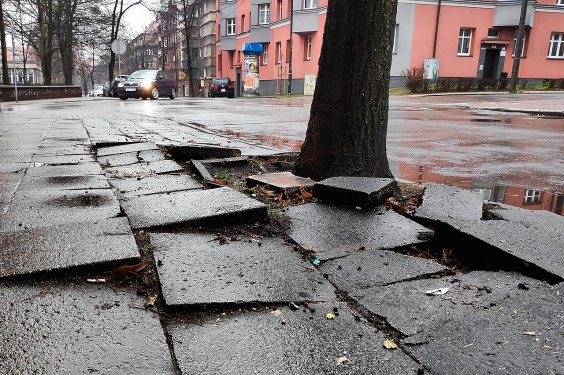
Montgomery County, Maryland, has a Vision Zero policy, meaning it hopes to end all traffic deaths. But the county is currently on track for an increase over last year. Meanwhile, here are the types of roads the county’s pedestrians are still contending with.

Julio Danery Rodriguez-Gonzalez, 34, was struck on this stretch Norbeck Road August 16th.
Now “jaywalking” — we should remind you — was a concept actually invented by car companies in order to shift blame for car violence in cities onto pedestrians. And clearly, it worked spectacularly. Indeed, under Maryland law, pedestrians must yield to drivers outside of crosswalks, which is contrary to many states.
But whether or not, strictly speaking, any of the victims were “jaywalking,” it doesn’t excuse their deaths. Nobody deserves to die because he or she steps outside of two stripes at some point in the journey. And it’s a cautionary tale about how the media typically covers crashes when the driver survives and the victim can’t speak for himself.
With safer, more narrow streets, more frequent crosswalks, better streetlights or any number of other interventions, the deaths of people like Edwin Diaz and Omar Rivas Cardenas might have been prevented.

Streetsblog has migrated to a new comment system. New commenters can register directly in the comments section of any article. Returning commenters: your previous comments and display name have been preserved, but you'll need to reclaim your account by clicking "Forgot your password?" on the sign-in form, entering your email, and following the verification link to set a new password — this is required because passwords could not be carried over during the migration. For questions, contact tips@streetsblog.org.