What If Climate Hawks Fought Dirty Highways Like They Fight Dirty Energy?

This Nebraska farm was in the path of #kxl pipeline. And now it’s ready for 100% Clean Energy! pic.twitter.com/JU4FuVyPUB
— Bill McKibben (@billmckibben) May 11, 2016
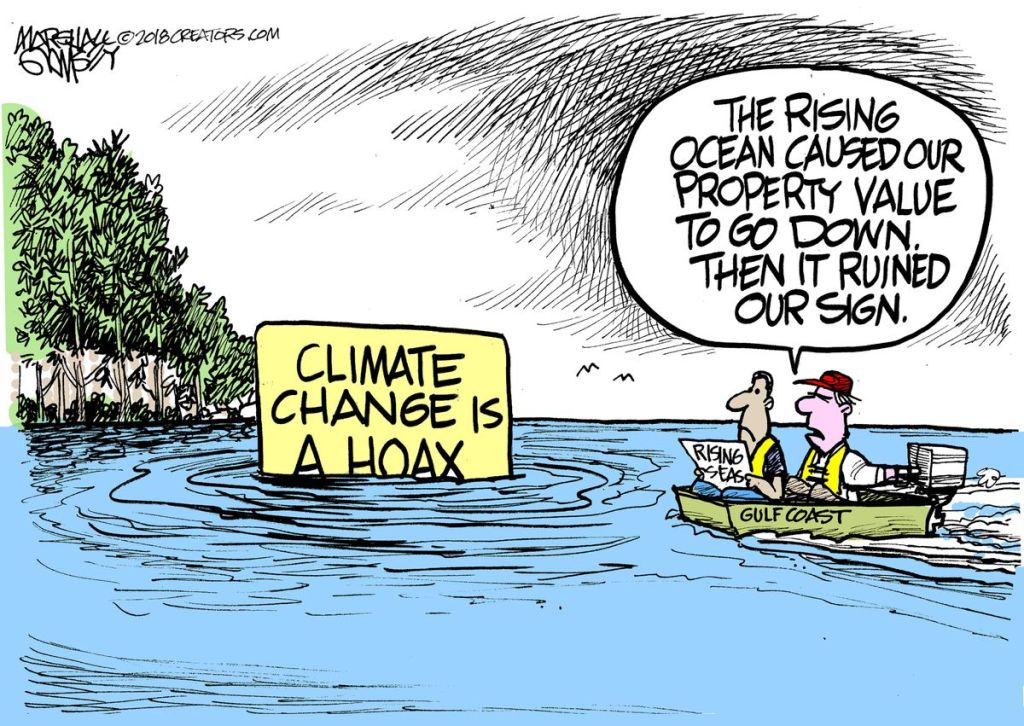
American climate activists’ single biggest achievement in recent years was the defeat of the Keystone XL pipeline. Nothing has unified and energized more people than the fight to keep dirty fossil fuels in the ground. Yesterday, the world watched members of the Standing Rock Sioux defend their tribal lands and water from armed police acting in the interest of companies building the Dakota Access Pipeline.
National figures in the climate movement have mobilized large numbers of people against pipelines, and to great effect. But what comes next? Erica Flock writes at Negwegon Communications that it’s time for high-profile climate activists to take the next step and expand the fight to what’s causing the demand for these pipelines — our dirty, old-fashioned transportation system:
From Keystone XL to Dakota Access, pipelines have become a symbol of the world we want to move away from. But the leaders of these movements rarely (if ever) mention transportation, even though the oil running through these pipelines will be used primarily for transportation. Instead, they tout clean energy.
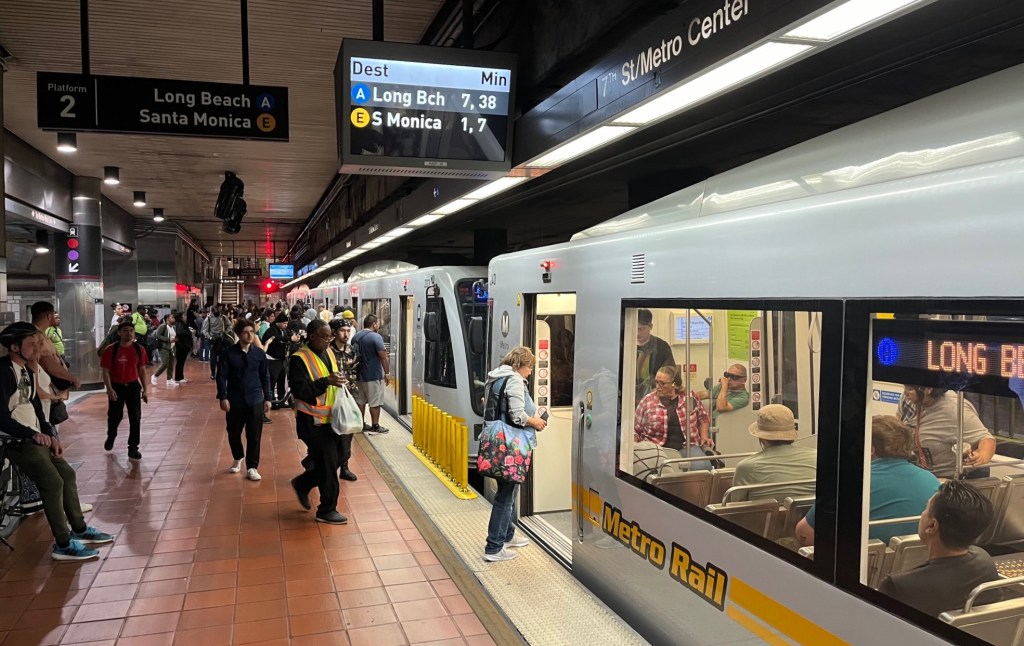
Reducing transportation emissions is more complicated than swapping one energy source for another: it requires us to zone for density and mixed uses; grow funding and accessibility for public transit, walking, and bicycling; fix the federal transportation bill; scale up EV adoption and shared mobility; use alternative fuels and efficient technology for aviation and shipping; and lots more.
The climate community’s lackluster approach to transportation translates into lackluster political leadership. Already, Hillary Clinton has indicated that she’ll increase highway capacity as part of her infrastructure plan if elected president. Highway proposals should be scrutinized as vehemently as coal plants: both lock in emissions for years to come.
A wonky list of policy demands doesn’t mean that movement-building isn’t possible around transportation. Just look at what the Netherlands was able to accomplish when people fed up with traffic fatalities took to the streets in the 1970s. Pithy, straightforward campaigns like Strong Towns’ #NoNewRoads and U.S. PIRG/Environment America’s new report 50 Steps to Carbon-Free Transportation are the kinds of things climate activists should be able to get behind. When transit’s on the ballot, as it is in communities across the US this election, climate hawks should get out the vote. And advocates should scale up solutions that help address emissions in other sectors like agriculture too. It’s time to start thinking bigger than clean energy.
Elsewhere on the Network today: Bike Portland reports on the initiative to make the city’s bike-share system accessible to all by offering qualifying people memberships as low as $3 a month and the option of paying with cash. And World Streets shares a pretty great flowchart of the cascading problems that result from an over-reliance on driving.

Streetsblog has migrated to a new comment system. New commenters can register directly in the comments section of any article. Returning commenters: your previous comments and display name have been preserved, but you'll need to reclaim your account by clicking "Forgot your password?" on the sign-in form, entering your email, and following the verification link to set a new password — this is required because passwords could not be carried over during the migration. For questions, contact tips@streetsblog.org.