California High-Speed Rail Faces Scandal, But Work to Get the Trains Rolling Continues
Streetsblog supports California high-speed rail because for all of the headaches caused by missteps in the early years, when all is said and done the state deserves, and one day will get, a high-speed rail line.
But these last few weeks have been rough.
A state investigation found nearly $600,000 in questionable consultant travel expenses. The governor vetoed legislation intended to strengthen oversight earning jeers from the media. Republican politicians are demanding resignations, and the familiar chorus declaring the entire project a failure has gotten louder.
But the headlines about the latest scandal shouldn’t obscure another important story: work to prepare California’s first high-speed rail line continues. Construction is advancing in the Central Valley, and the authority is still working to connect that segment to the Bay Area.
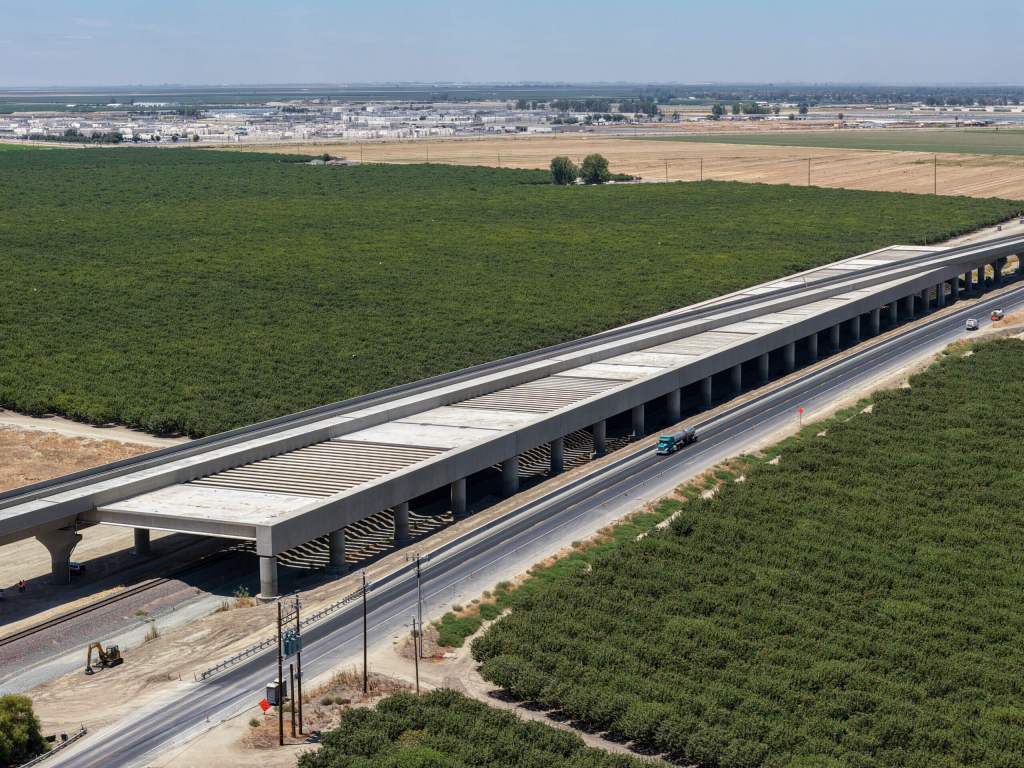
The authority has completed 66 structures along the first 119 miles of the future rail line, including four projects in Tulare County earlier this month. Bridges, viaducts and underpasses must be finished before crews can install tracks through those locations, while the railbed and guideway must be prepared to support them. Once the civil works are complete, crews can install tracks, electrical power, signaling and communications systems.
The scandal is real, and the board is taking action
The latest controversy centers on a September investigation by the High-Speed Rail Authority’s inspector general. Auditors reviewed travel expenses submitted by four consulting firms over two years and found that authority staff had approved nearly $600,000 in questionable expenses.
Some consultants flew first class, took expensive rides and visited nightclubs, cigar lounges, bars and other destinations on the public’s dime. Many, but not all, trips lacked adequate justification or prior authorization.
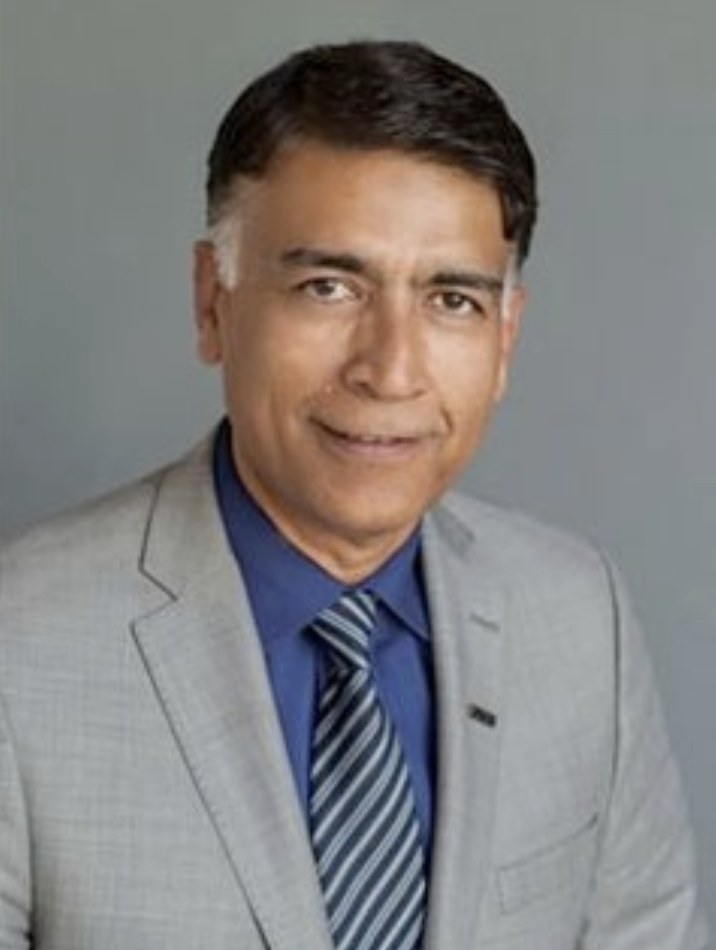
On October 9, the authority’s board voted 7-2 to restrict authority CEO Ian Choudri’s contracting powers. He can no longer independently sign or manage contracts under $25 million, and the authority’s in-house attorneys must approve changes to new and existing contracts. The board already had authority over contracts exceeding $25 million.
The authority also paused travel payments to the four consulting firms, began reviewing their expenses and promised to seek reimbursement for questionable charges. Choudri told the board that disciplinary action had been taken against some consultants, although he did not provide details.
Meanwhile, Gov. Gavin Newsom vetoed Assembly Bill 1608, a bill that would have given the inspector general more flexibility to hire specialized auditors and investigators and sign certain contracts. The governor argued that the office should work through existing state procedures, despite the inspector general’s concerns that those procedures have hampered timely investigations.
Vetoing AB 1608 seems to be an unforced error on the governor’s part as concerns that the construction authority is not well-run have spread well beyond just opponents of high-speed rail or Republicans looking to score political points. The legislation was authored by the Chair of the Assembly Transportation Committee Lori Wilson (D-Suisun City) and was passed overwhelmingly in the Assembly (64-8 with 7 abstentions) and Senate (39-0 with 1 abstention.)
Next Steps
The authority is also continuing the environmental review and planning needed to connect the Central Valley to the Bay Area.
In October, the agency issued a notice of preparation for a supplemental environmental impact report covering the San José-to-Merced project section through the Diablo Range, southeast of Gilroy to northeast of Los Banos. The previously approved alignment includes 15.1 miles of tunnels through the mountains. With construction costs rising and federal funding becoming less reliable, the authority is considering alternative ways to deliver the connection.
Residents can weigh in on the proposed alternatives for the San José-to-Merced high-speed rail route by attending public scoping meetings on November 4 at Casa de Fruta in Hollister or November 5 at the Los Banos Community Center, both from 5:30 to 7 p.m., or joining a virtual meeting on November 9. Written comments on the scope of the environmental review are due November 13 and can be emailed to the California High-Speed Rail Authority with the subject line “G-Y Project Segment HSR Scoping Comment.” For more details, click here.
Streetsblog has migrated to a new comment system. New commenters can register directly in the comments section of any article. Returning commenters: your previous comments and display name have been preserved, but you'll need to reclaim your account by clicking "Forgot your password?" on the sign-in form, entering your email, and following the verification link to set a new password — this is required because passwords could not be carried over during the migration. For questions, contact tips@streetsblog.org.