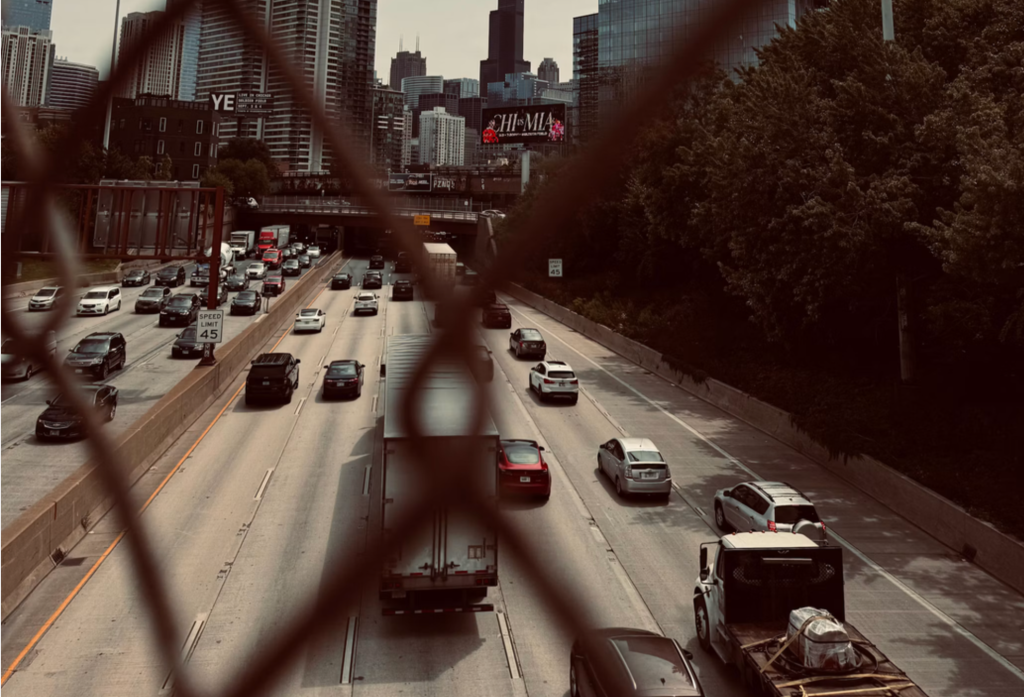
SHIFTING GEARS: San Diego Peddles Bicycle Mobility Through A City Dominated By Cars

(We’ll have more details soon, but we can confirm that there will be a Streetsblog San Diego launched in the next couple of months. If you want to help us get to the starting line, you can make a donation here or get more details by emailing damien@steetsblog.org. – DN)
A new grand jury (PDF) report by San Diego County finds that San Diego is not on track to make its own Climate goals and recommends investing quickly in more bicycle and pedestrian infrastructure to get more people out of their cars and to reduce pollution.
The new report, Shifting Gears, arrives at a moment when San Diego is trying to reconcile two competing realities. On one hand, the city has adopted ambitious goals. The Climate Action Plan calls for 10% of all daily trips to be made by bicycle by 2035. Vision Zero commits San Diego to eliminating traffic deaths and severe injuries. The Bicycle Master Plan Update is meant to create a safer and more connected network. On the other hand, San Diego remains a city where the automobile remains king. While the report itself is not binding nor enforceable, it validates San Diegans’ concerns and recommends a path forward.
Safety and connectivity remain the two biggest barriers preventing more people from choosing to bike. A recent city survey of more than 2,000 riders found that “traffic safety concerns” and “gaps in the bike network” were the first and second most frequently cited barriers to bicycling.
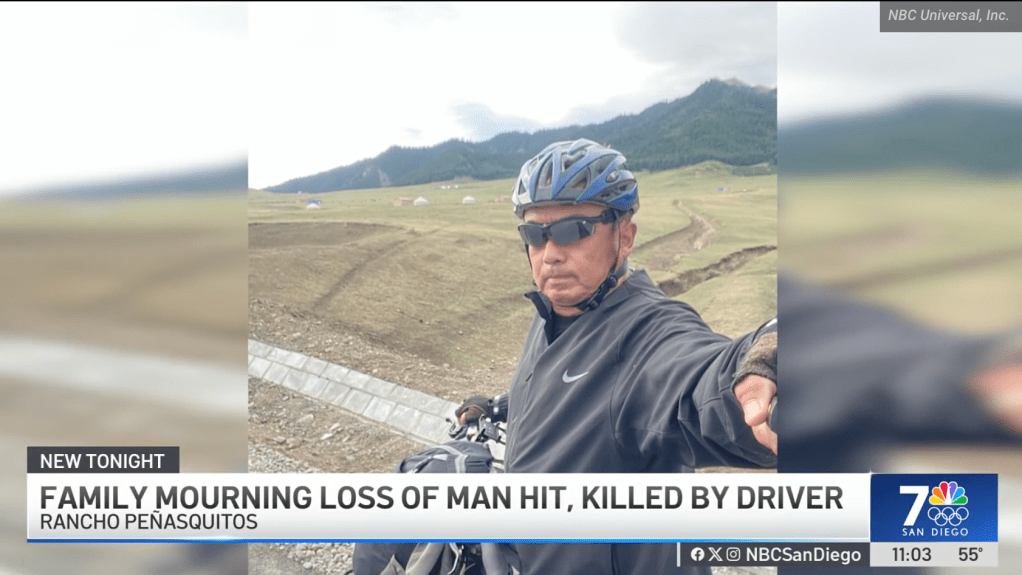
The Grand Jury points to the December 2025 death of a 60 year old man riding on Salmon River Road in Rancho Peñasquitos, killed when a driver struck him from behind and later told authorities she simply did not see him. It revisits th e 2021 death of a beloved San Diego State administrator riding along Pershing Drive, a crash involving a driver under the influence of methamphetamine. It notes that five bicyclists were killed on San Diego roadways in 2024, giving the city the tragic distinction of ranking fifth among California’s fifty largest metropolitan areas for average bicycle fatalities over the past five years.
The report is particularly compelling when it moves beyond statistics and describes the physical realities of biking in San Diego. The Grand Jury found that:
- “Bike lanes start and disappear.”
- “Bike infrastructure disappears, especially where it’s needed most: freeway on and off ramps, giving riders the uneasy feeling, ‘You’re on your own!'”
Anyone who has ridden through Genesee near State Route 52, crossed freeway ramps on University Avenue, or attempted to navigate Mesa College Drive understands this personally.
The Grand Jury also dedicates significant attention to maintenance, an issue that does not receive the attention it deserves. Here in San Diego:
- The city currently has only one operable street sweeper capable of servicing its protected bike lanes.
- There is no regular maintenance schedule for those facilities,
- Residents are expected to report hazards through Get It Done and wait for a response (which can take up to 200 days, as explicitly stated in the app).
The Grand Jury ultimately concluded:
“The lack of a bike infrastructure maintenance schedule means residents must file bike route maintenance requests through the Get It Done app.”
Anyone who has swerved around broken glass, tree branches, gravel, or damaged bollards understands that maintenance shapes whether infrastructure feels safe and usable.
At the same time, the report offers examples of what success can look like. Clairemont Drive receives particularly high praise. The Grand Jury highlights its protected facilities, floating parking, countdown signals, traffic calming measures, and connection to the Clairemont trolley station. It concludes that Clairemont Drive:
“Serves as a model for effective Class IV cycle tracks; it is the kind of bike infrastructure that every San Diego community deserves.”
The question is no longer whether San Diego knows how to build safer streets, but rather how we scale those successes across the city.
The report also places equity at the center of the conversation. Many Communities of Concern contain destinations people rely on every day, including schools, jobs, parks, transit stops, and libraries. Yet these same communities often lack the bicycle infrastructure necessary to safely reach those destinations. The Grand Jury found:
“Despite having road segments with High Connectivity and Low Level Traffic Stress, too many Communities of Concern have limited bicycle mobility options.”
The communities with the greatest potential benefit from expanded mobility choices should not have to wait decades for investment.
The most encouraging aspect of Shifting Gears is that its recommendations are practical:
- Build continuous facilities instead of waiting for larger projects,
- Establish routine maintenance schedules,
- Prioritize Communities of Concern,
- Expand Safe Routes to School
- Improve bicycle access to transit
- Update maps so people can actually navigate the network.
These changes are rooted in the City’s own adopted plans, including the Climate Action Plan, Vision Zero Plan, the Mobility Master Plan, and the Bicycle Master Plan.
Reaching 10% bicycle mode share by 2035 will require more than ambitious targets. It will require building a transportation system that ordinary people trust enough to use. The Grand Jury has provided a detailed assessment of where San Diego stands today. What happens next depends on whether we have the resolve and political will to turn those findings into action.

Streetsblog has migrated to a new comment system. New commenters can register directly in the comments section of any article. Returning commenters: your previous comments and display name have been preserved, but you'll need to reclaim your account by clicking "Forgot your password?" on the sign-in form, entering your email, and following the verification link to set a new password — this is required because passwords could not be carried over during the migration. For questions, contact tips@streetsblog.org.