

How California’s High Speed Train Could Arrive and Depart DTLA’s Upgraded Union Station

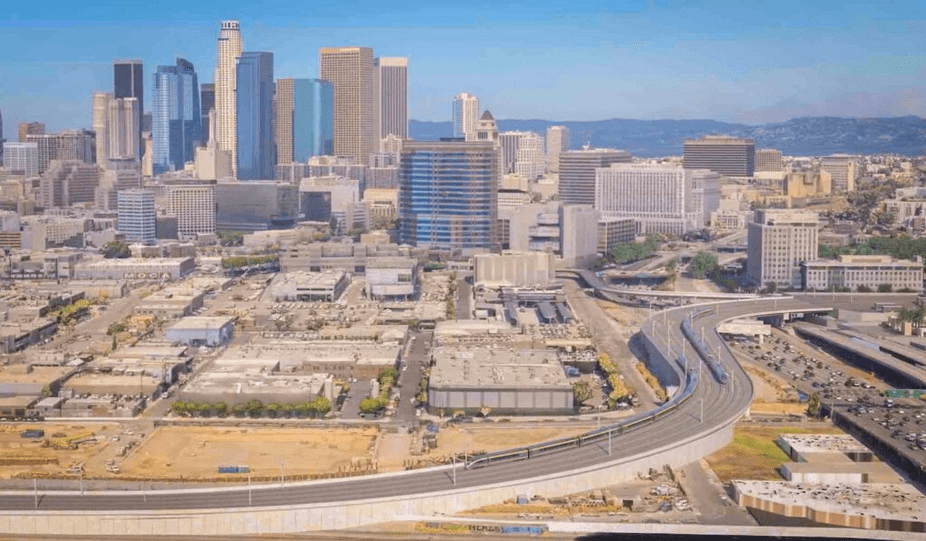
The California High Speed Rail Authority—the State’s governmental arm overseeing its attempt to build a high speed train that will eventually connect nearly the entire state along the coast—has released a new animation that shows what the train will look like entering the proposed upgraded and expanded Union Station in Downtown Los Angeles.
There are two projects discussed here: The state’s high speed rail program and “Link US,” the program overseeing the Union Station upgrades.
Last year, the Metro board greenlit an initial pre-construction phase for “Link US,” a highly-anticipated program that will upgrade Union Station and prepare it for future high-speed rail. Since its opening in 1939, the station has been confined by its stub-end tracks, meaning trains slowly approach and then have to reverse to get out out. “Link US” will build “through tracks” so both Metrolink and Amtrak can move efficiently through the station.
According to Metro, building through-tracks will increase Union Station capacity from 180 to 278 trains daily and reduce train dwell times from twenty to five minutes. This is no small feat, and comes with no small price tag: $2.3B, broken up into phases. The first phase—one of its most complex—includes a bridge over the 101 and new rail tracks, all being built while the highway and the tracks are operating.
However, Metro’s bid for Phase A construction was canceled in August of 2022, pushed to February 2024 in pursuit of federal funds for the project.

Meanwhile, the high speed rail project moves forward in California, though not without its uphill battles: As Streetsblog California has pointed out, the amount the Feds have invested in high-speed rail nationally so far—$10B—is minuscule compared to federal investments in aviation ($777B) and highways ($2 trillion-with-a-T). And the California project only got $4 billion of those $10 billion total. To repeat:
Costs for the California High-Speed Rail Program have risen along with costs in general. Delays and other setbacks have also contributed to those cost increases and given opponents of California’s high-speed rail program fuel for attack. The constant drumbeat from former LA Times writer Ralph Vartabedian – who still takes every opportunity to rip into the program’s troubles and has zero interest in offering solutions – has driven the public to hold a false impression that the program is failing.
It needs to be emphasized, however, the project is not dead. According to former U.S. Secretary of Transportation and Congressional representative Ray LaHood, federal impediment is the main cause for California’s rail project not moving forward more quickly or efficiently.
More from Streetsblog California

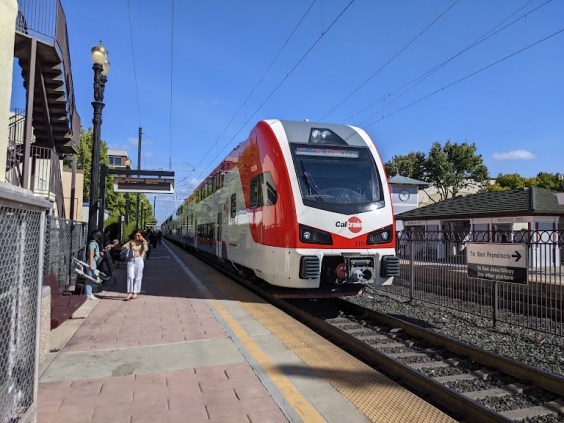
Buffy Wicks Pushes Legislation to Cut Red Tape for Transformational Bicycle and Pedestrian Projects
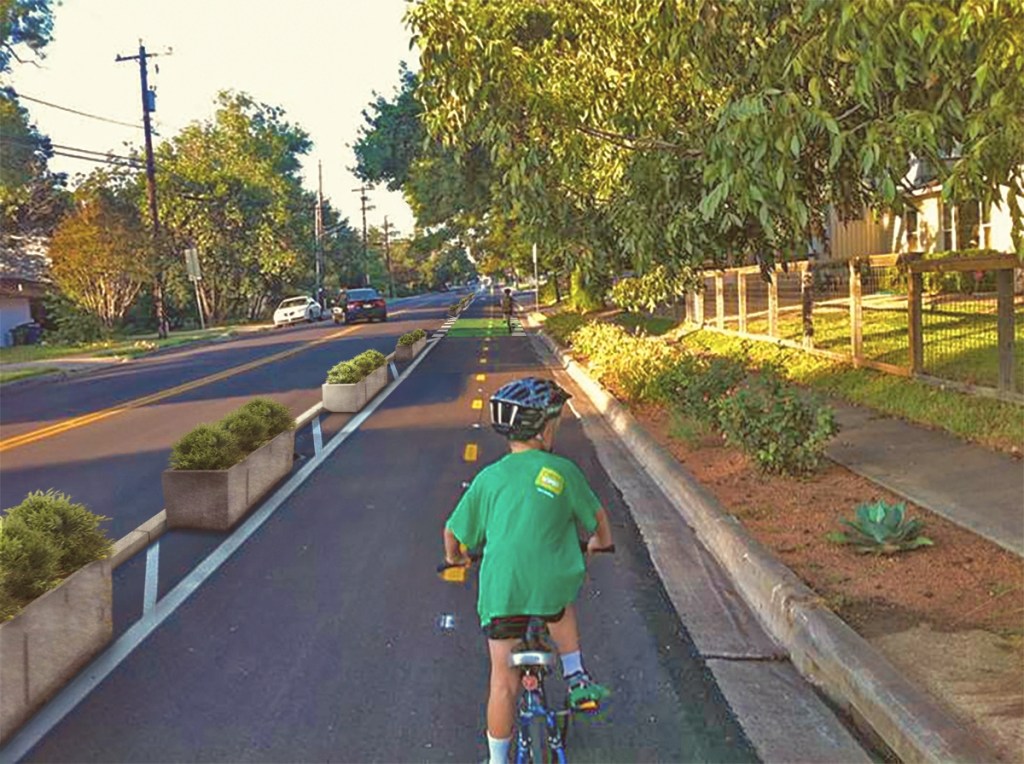
Weekend Roundup: Regional Transit Measure Update, More Art at Sunset Dunes…
...and thanks Oakland DOT
The post Weekend Roundup: Regional Transit Measure Update, More Art at Sunset Dunes… appeared first on Streetsblog San Francisco.
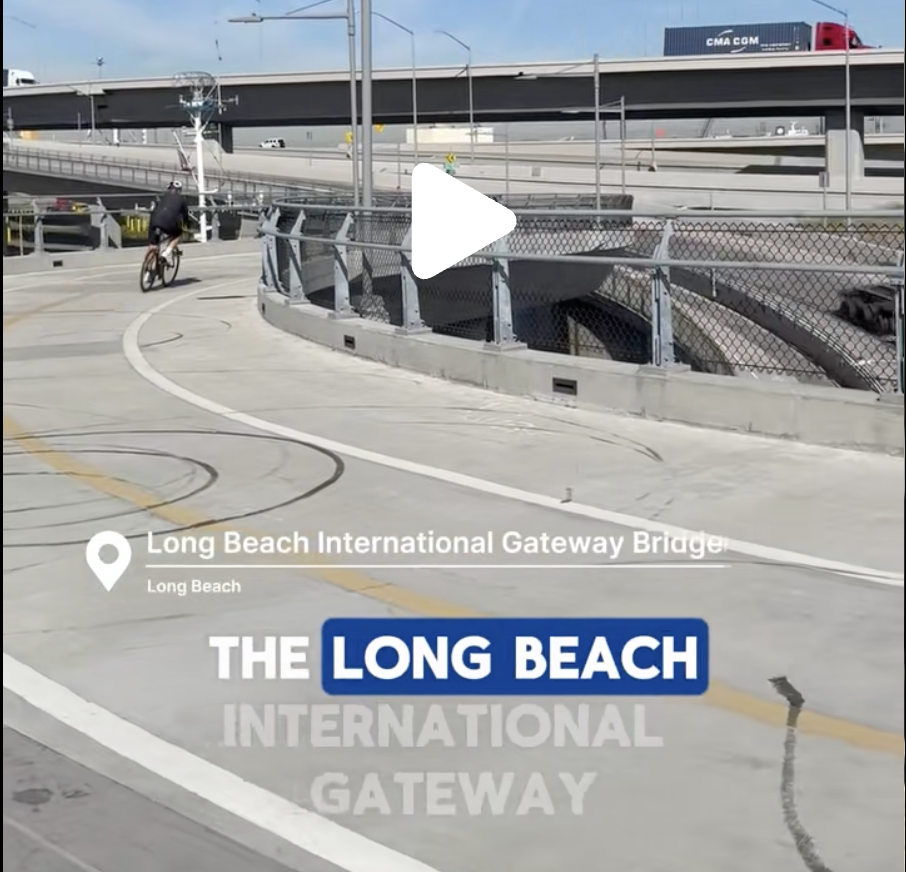
The Week in Short Videos
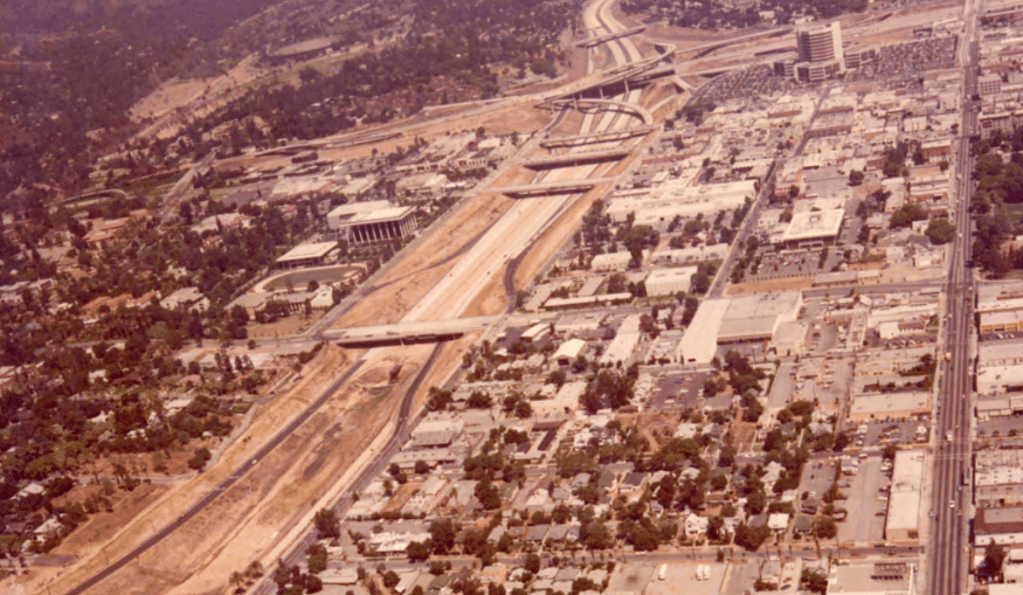
Pasadena Moves Closer to Adopting 710 Stub Vision Plan
City Council shared concepts for rebuilding the community razed in the 1970s, and seemed keen on making restitution to the victims of freeway displacement.
The post Pasadena Moves Closer to Adopting 710 Stub Vision Plan appeared first on Streetsblog Los Angeles.

Comments Are Temporarily Disabled
Streetsblog is in the process of migrating our commenting system. During this transition, commenting is temporarily unavailable.
Once the migration is complete, you will be able to log back in and will have full access to your comment history. We appreciate your patience and look forward to having you back in the conversation soon.